The library
Household plumbing
Repairs, renovations and fixture decisions.
 Household plumbing
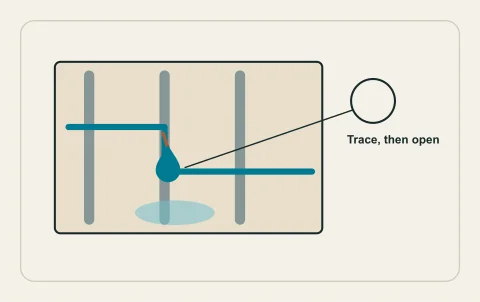
Leak investigation: locate the cause before opening the house
A wet patch tells you where water appeared, not necessarily where it escaped. A supply leak, fixture seal, appliance connection, roof leak and condensation can leave similar marks. The useful first decision is how to stop damage safely while preserving enough evidence to investigate the actual cause.
 Household plumbing
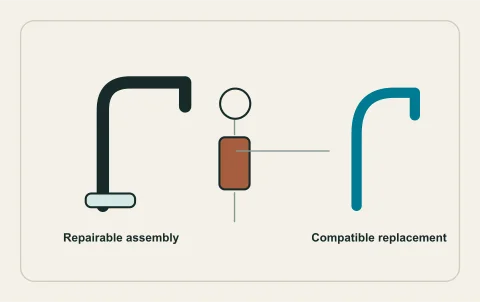
Fixture repair or replacement: choose the useful scope
A dripping faucet, running toilet or awkward shower control can be a small repair or a sign that a larger assembly needs attention. Start with the component and the symptom. A fixture replacement is most useful when it solves the actual problem without creating incompatible connections or sacrificing service access.
 Household plumbing
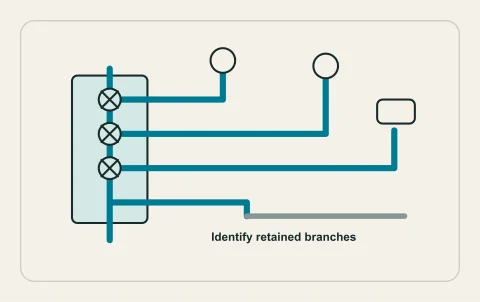
Supply-pipe assessment and staged repiping
A repipe is a distribution-system project, not just a length of new tubing. It changes the routes that bring water to fixtures and may disturb several rooms. Evidence about the existing material, connections and failure history should establish the need, while a route and restoration plan establish the real scope.
 Household plumbing
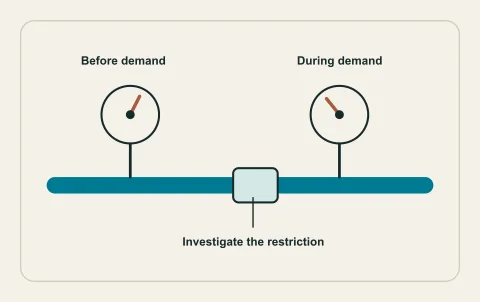
Water pressure and flow: separate the symptoms
Weak water at a tap is an observation, not a pressure reading. Pressure, available flow and fixture performance interact, but they are different things. A useful investigation starts by mapping where and when the symptom occurs so a local restriction is not confused with a service-wide or provider-side issue.
 Household plumbing
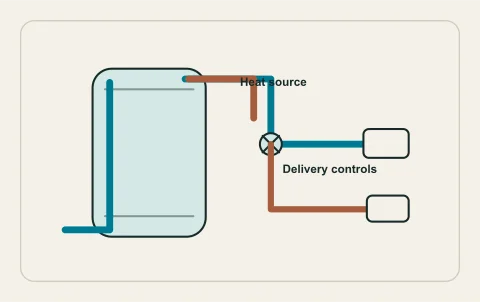
Water-heater replacement: scope the whole installation
Choosing a water heater starts with how the building uses hot water and what the installation can support. The tank or appliance price is only one line in the project. Access, energy service, drainage, safety controls and the parts of the distribution retained can determine whether the replacement actually improves daily use.
 Household plumbing
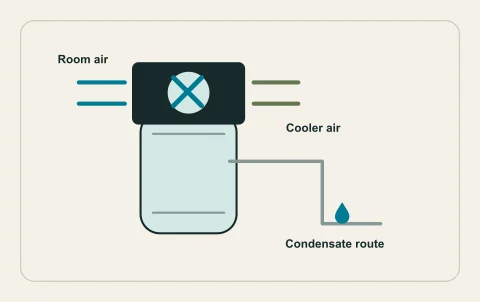
Heat-pump water heaters: assess the room and the system
A heat-pump water heater moves heat from surrounding air into water. That makes the room part of the installation decision. A product that looks suitable on an efficiency label may still need a different location, service arrangement or operating strategy to fit the building and the way people use hot water.
 Household plumbing
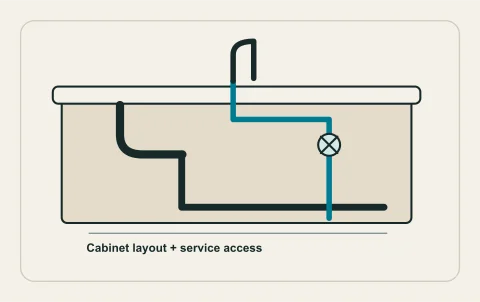
Kitchen plumbing renovation: plan before cabinetry
A kitchen layout drawing can move a sink with a pencil; the building still needs a workable supply and drainage route. The valuable early decision is whether the proposed arrangement fits the existing structure and services without hiding repair points behind finished cabinetry. Plumbing coordination belongs before the cabinets are ordered.
 Household plumbing
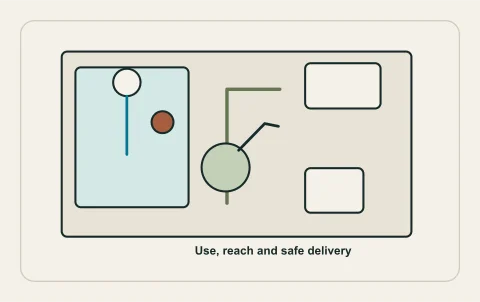
Bathroom plumbing and accessible-use planning
A useful bathroom renovation begins with the people using it. Reach, grip, entry, transfer space, temperature stability and future care needs affect fixture choices as much as appearance. Plumbing changes should be coordinated with the room’s structure, waterproofing and other disciplines before the finish layout becomes fixed.
 Household plumbing
Tankless hot water: assess suitability before conversion
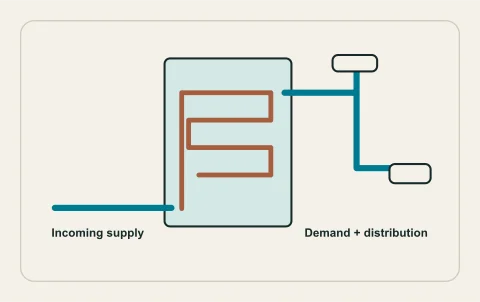
Tankless equipment heats water as it passes through the appliance. That changes how capacity is evaluated, but it does not make the whole building’s hot-water system unlimited or instantly responsive. A sound conversion begins with the intended simultaneous use and the actual installation interfaces, not with removing the old tank.
 Household plumbing
Secondary-suite plumbing: coordinate a dwelling, not extra fixtures
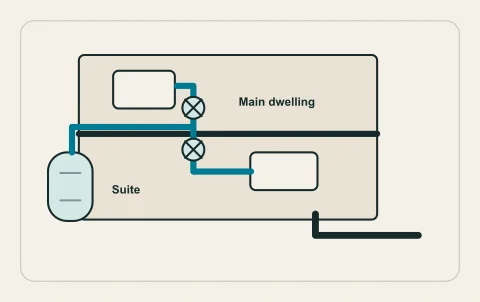
A secondary suite adds a dwelling’s daily water and drainage use, not merely another sink. The plumbing plan has to fit the existing house, the proposed layout and the approvals for the actual property. Resolve capacity, routes and service access before finishing the space or assuming that old rough-ins establish an approved suite.
 Household plumbing
Laundry and water-connected appliances: plan the interfaces
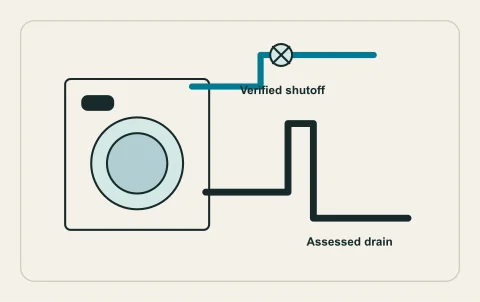
An appliance arrives as a product; the building must provide a suitable place for it to operate and be serviced. Supply, drainage, isolation and surrounding finishes deserve review before delivery. Moving a laundry or adding a water-connected appliance is more than extending whichever nearby pipe is easiest to reach.
 Household plumbing
Drain symptoms: investigate the pattern before choosing a remedy
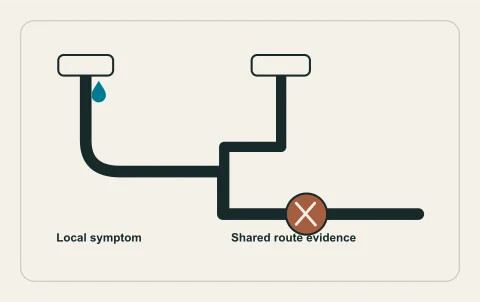
Slow drainage, gurgling, odour and a backup can point to different problems. The right first step is to identify the affected boundary and stop making a hazardous condition worse. A clearing service, a camera survey and a pipe replacement answer different questions; none should be presented as an automatic response to every symptom.
 Household plumbing
Sewer camera reports: make the evidence reusable
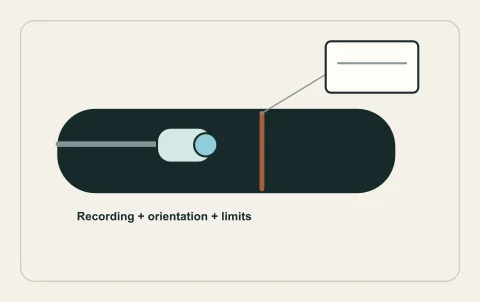
A sewer recording is useful when someone can connect the images to a known route and a clear finding. A frightening still frame by itself is not a complete repair plan. Ask for the orientation, assessed limits and supporting location information that make the inspection understandable to another professional and to the property owner.
 Household plumbing
Sewer lateral renewal: define the route and the result
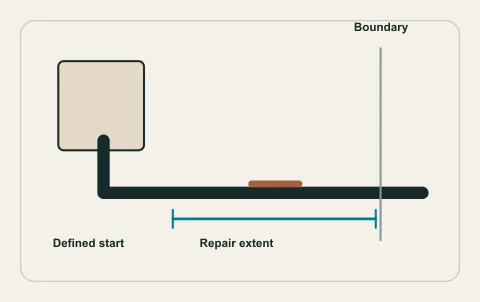
A sewer lateral project begins with an assessed route and a reason for intervention. The method name is not the scope. A complete proposal explains what is being renewed, how connections and access are handled, what remains, and how the finished property and operating drainage will be verified.
No matching articles. Try a broader symptom, room or project term.
Turn the details into a clear request.
Describe the location, symptoms or proposed work. A person reviews the brief; any referral or contractor arrangement is a separate step with your agreement.