Start with the intended outcome
Decide whether the objective is planned renewal, a change in energy use, improved daily capacity or replacing failed equipment. These are related but different decisions. A system chosen mainly for efficiency still has to meet the household’s actual use sequence. A rushed failure replacement may have different practical constraints from a renovation with time to alter the room.
Gather the current heater model, energy-service information and safe room photographs. Record nearby bedrooms, work areas, storage and appliances. Do not infer available electrical capacity from an empty-looking panel position. The project needs appropriate professional assessment of services. Separate a product comparison from a promise of savings or incentives; current program rules, eligibility and the building’s measured use must be verified before including either in a financial decision.
Treat air and room conditions as design inputs
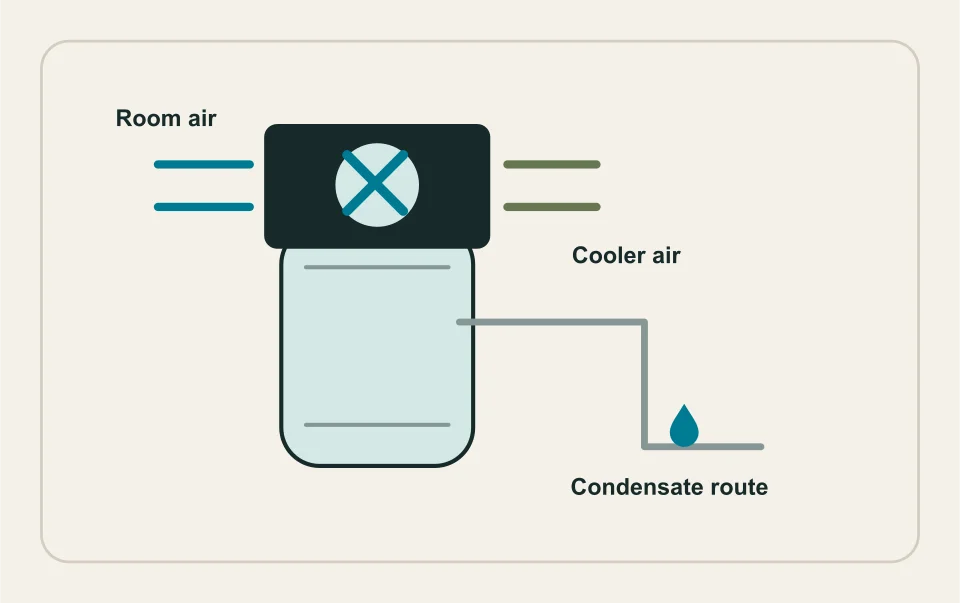
Because the appliance extracts heat from air, the manufacturer’s room and airflow requirements matter. An enclosed closet and an open utility room are not interchangeable. Ask the installer to explain the exact model’s location requirements, expected effect on the room and any approved ducting arrangement. Avoid transferring a clearance or room-volume number from a different model.
The cooling effect can be relevant to adjoining spaces and seasonal comfort. Consider how doors, stored items or future partitions might change air access after installation. A layout that works on commissioning day can become unsuitable if the homeowner later encloses it. Keep the selected model’s installation literature in the file and have the professional resolve its relationship with the building, rather than relying on a generic internet diagram as a design.
Resolve condensate, sound and physical access
Identify where condensate is intended to go and who confirms the permitted drainage arrangement. Water produced in normal operation is different from a tank leak; occupants need to understand the visible route and what a fault looks like. A proposed connection should not be improvised into an unrelated drain or assumed acceptable because a pipe is nearby.
Ask about normal operating sound and the relationship to bedrooms or quiet workspaces. Use the exact manufacturer information and installation design, not a universal noise promise. Check the removal path for the old heater and the delivery path for the new one, including stairs, doors and service clearance. A room can fit the cylinder while leaving inadequate access for future repair. Include necessary room changes in the quote so the equipment price is not confused with the complete installation.
Test the use sequence against the operating plan
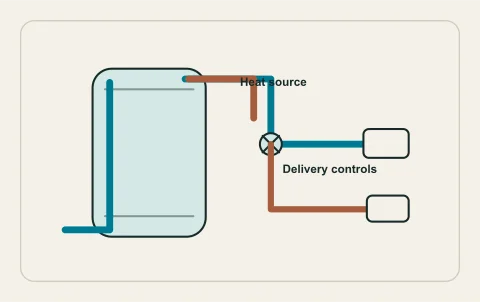
Record busy periods, consecutive bathing, laundry and other overlapping events. Heat-pump modes and backup arrangements can affect how the system recovers from demand. Ask for an explanation tied to the selected appliance and the actual household sequence, particularly if occupancy or fixtures will change. A larger nameplate number alone is not an adequate explanation.
The hot-water worksheet helps describe event volume and overlap without claiming to size the appliance. Health Canada’s premise-plumbing guidance remains relevant to temperature management and stagnation regardless of heating technology. The design must preserve safe delivery and suitable hygiene; changing technology does not remove those responsibilities or justify bypassing protective controls.
Separate equipment, services and approvals
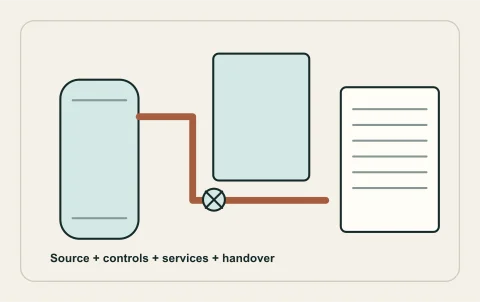
A full proposal identifies the exact model, plumbing connections, drainage, energy-service work, removal, access changes and commissioning. Ask which qualified professional owns each interface. Existing energy service must be assessed for the candidate installation; this is not a DIY electrical conversion guide. Discuss municipal permit and inspection requirements for the actual plumbing scope as well.
If rebates or financing influence the decision, use current official program documents and obtain written confirmation of applicable conditions before purchase. Do not let an unverified incentive hide a poor physical fit. Natural Resources Canada’s product information can assist research, but certification alone does not confirm a particular installation or guarantee the household’s future operating cost.
Plan ordinary use and future service
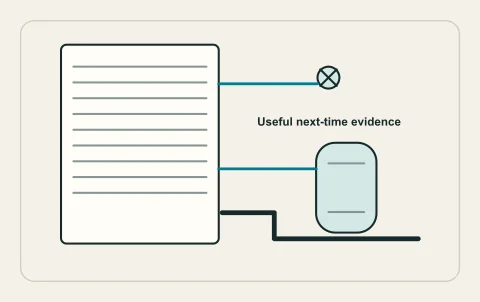
At handover, keep the mode explanations, maintenance requirements, condensate route, installer contact, model identification and approval records. Ask which user-visible alarms need professional attention and which controls occupants may normally use. Explain the system to everyone who might change settings; an unexplained mode change can undermine the intended operation.
Leave airflow and service areas clear. Keep a record of the commissioned arrangement so future storage or renovation does not quietly block it. If performance is disappointing, record the use sequence and settings rather than immediately assuming the technology cannot work. A request for human review can include these observations, room constraints and the exact proposed model. The portal does not approve electrical capacity, prescribe installation dimensions or promise a rebate.
Questions people ask
Will a heat-pump heater work in any closet?
Does it need a condensate connection?
Can I assume a lower energy bill?
Will the room become cold or noisy?
What is the best evidence for a review?
Sources and further reading
- Water heaters ↗ · Natural Resources Canada. Checked 2026-10-02.
- Residential premise plumbing pathogens and water quality ↗ · Health Canada. Checked 2026-10-02.
- Plumbing & heating permits ↗ · City of Kelowna. Checked 2026-10-02.
Confirm the current requirements with the responsible authority for the actual address and work. This reference does not replace site assessment or an official decision.