The library
Water, sanitary & storm
Understand separate networks and service boundaries.
 Understand the system
Find the water provider for the actual address
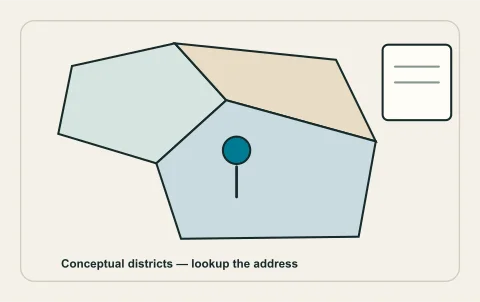
Kelowna’s water questions start with an address, not a citywide assumption. Service districts and operating arrangements can differ, and the Glenmore–Ellison transition adds another reason to use current official information. Identify the provider before interpreting a notice, asking about a service change or generalizing water quality from another part of the city.
 Understand the system
Private water service: understand the property interface
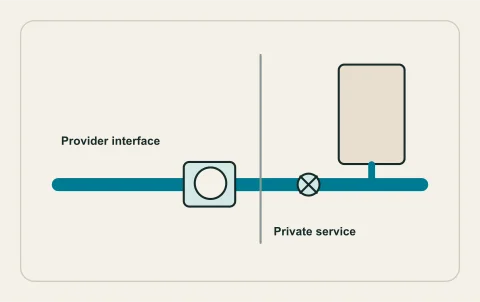
The water service connects the property to its supplier, but visible equipment does not tell the complete route or responsibility boundary. An interior repair, a buried service renewal and a utility connection are different scopes. Verify the actual interface before pricing excavation, replacing distribution or promising a performance improvement. Document the provider response and retained property components together.
 Understand the system
Potable water and irrigation: keep the protection boundary clear
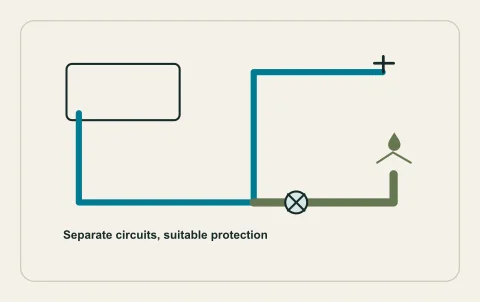
A hose, irrigation system or alternate source can create a connection question even when the equipment is outside the house. Drinking-water protection depends on the actual arrangement and hazard. Keep potable supply, irrigation operation and non-potable sources distinct, with the responsible professionals and provider resolving the protective requirements. Preserve the assessed source arrangement when equipment or seasonal operation changes.
 Understand the system
Water-quality concerns and advisories: follow the current source
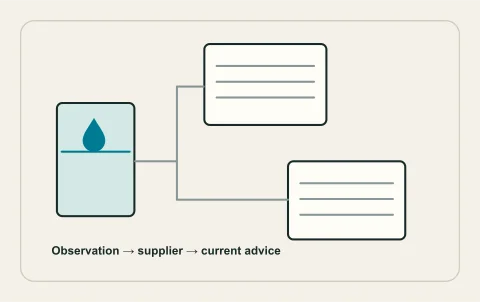
Taste, odour, colour and a public notice are different kinds of information. None should be converted into a remote diagnosis from a photograph or a generic claim about Kelowna water. Start with the actual supplier and current advice, then assess whether a building-side question needs appropriate professional or health-authority input.
 Understand the system
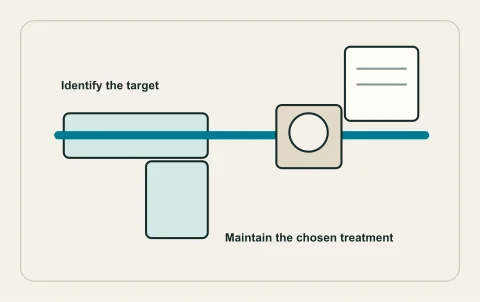
Filtration and softening: choose a target, not a sales package
Treatment is useful when its purpose is clear and the selected equipment actually addresses that purpose. A taste preference, a confirmed contaminant concern, measured hardness and an equipment-maintenance issue need different evidence. Avoid buying a general package on the assumption that all Kelowna supplies or all building outlets behave the same way.
 Understand the system
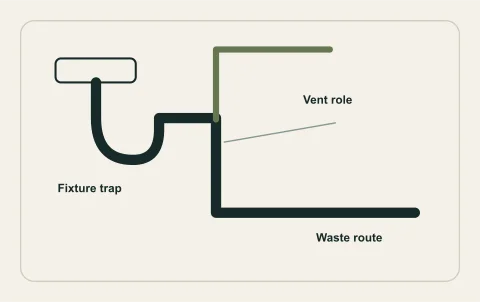
Drain, waste and vent: understand the system before alteration
Drainage and venting work needs a system view, not a guessed fitting change. Describe the affected fixtures and proposed alteration, then ask a qualified professional to establish the relevant route, design and approval requirements.
 Understand the system
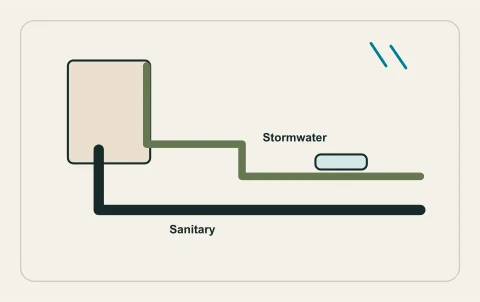
Stormwater separation: identify the route and protect receiving waters
Rainwater and sanitary wastewater are separate system questions. Establish the existing route and proposed discharge before directing roof runoff, drainage water or a maintenance waste stream toward a convenient nearby pipe.
 Understand the system
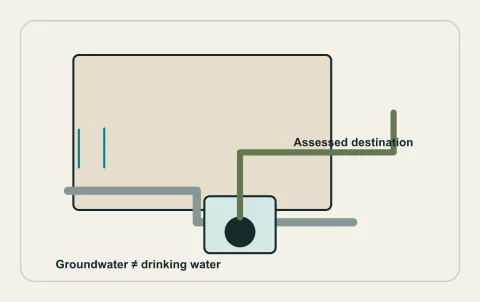
Sump and foundation drainage: investigate the water path
A sump pump is one component in a wider water-management system. Establish how water reaches the building and where it may be discharged before assuming a larger pump or one cleared pipe solves every basement condition.
 Understand the system
Septic-to-sewer planning: confirm availability and the transition scope
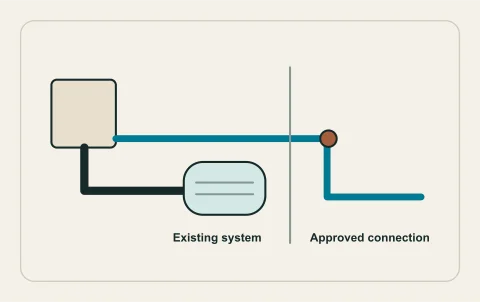
A sewer near a property does not automatically establish an available authorized connection. Confirm servicing and the actual authority process before treating an onsite wastewater system as ready to abandon or buying a private connection route.
 Understand the system
Water use and conservation: measure the question and use current rules
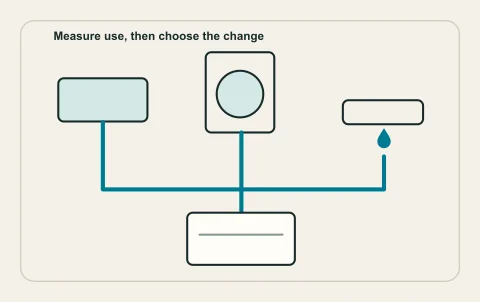
Water conservation starts with understanding use and the actual supplier’s current instructions. A measured fixture event can inform planning, but it is not a pressure test, leak diagnosis or promise of a specific financial saving.
No matching articles. Try a broader symptom, room or project term.
Turn the details into a clear request.
Describe the location, symptoms or proposed work. A person reviews the brief; any referral or contractor arrangement is a separate step with your agreement.