Use the official address lookup as a starting point
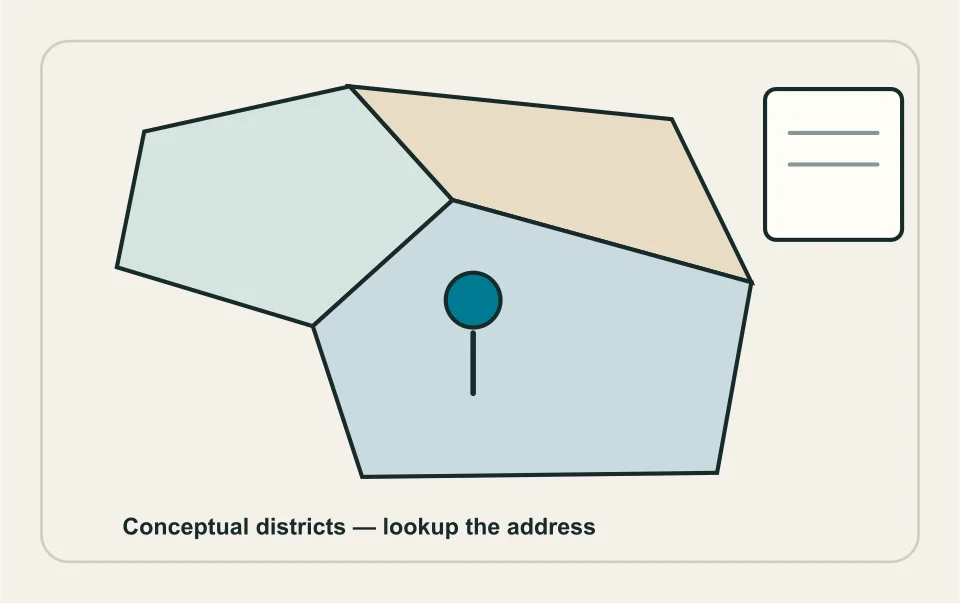
The City’s find-your-water-provider page offers address-based lookup and links to the service districts. Enter the actual property address and keep the result with the date. A neighbourhood name, postal city or nearby friend’s provider does not establish the answer for this property.
If the result is unclear or the address is new, contact the relevant official service office to confirm. Mapping is a starting point, not permission to alter a connection. A utility bill, account record or development information can help the office resolve the address. Do not enter account credentials or sensitive billing details into a public request unnecessarily; a concise provider name and unresolved question are usually enough for initial planning.
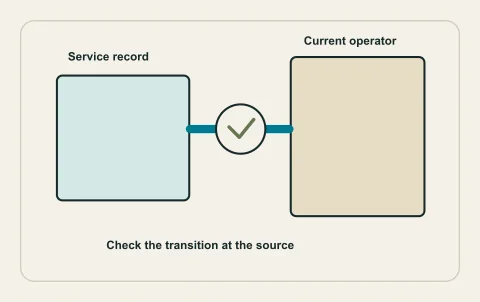
Distinguish the legacy district from the current operator
The City’s GEID transition page describes the move into City operations, with the gradual transition running through 2027. That means an old district label can still be relevant to a service record without proving an unchanged independent operating arrangement. Check current correspondence and the official transition information.
Avoid rewriting historic invoices or drawings as though their names were mistakes. Keep the original record and identify the current contact beside it. A transition does not establish that every customer’s billing or service process changes on the same day. Ask the operator about the actual account or project. This portal does not maintain a replacement live utility database or promise that a district boundary lookup alone resolves every administrative question.
Separate supplier issues from building-side plumbing
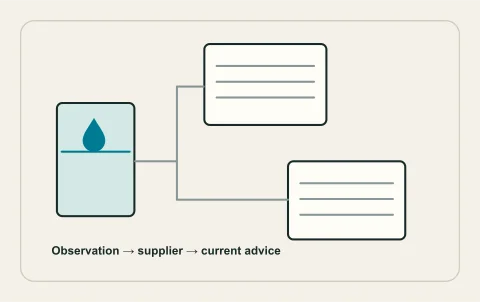
An interruption notice, account question or concern affecting several nearby properties can belong with the provider. A leaking fixture, concealed distribution fault or appliance connection can require a private professional. Some symptoms need both routes, especially when the boundary is uncertain. Describe observations and ask for clarification rather than declaring responsibility from the first visible wet location.
Keep water quality and operational performance distinct. Low fixture flow does not prove unsafe water; colour or taste does not prove a specific pipe material. If concerned about drinking water, use the supplier-first approach described by Interior Health. A provider’s current advice is more useful than an old generic flushing instruction copied from a different service district.
Use provider-specific dated information
Read the current notice and report for the confirmed service area. Rutland Waterworks and Black Mountain Irrigation District publish their own information. A report’s sampling period and service scope matter; it should not become a statement that every Kelowna property has identical hardness, source water or current conditions.
Treat restrictions, construction notices and advisories as changing information. Link to the current source instead of embedding an unverified permanent stage or expiry date in a renovation plan. The absence of a notice on a general webpage is not a personal guarantee about a fixture or private plumbing. For an actual concern, contact the supplier with the address, timing and safe observations.
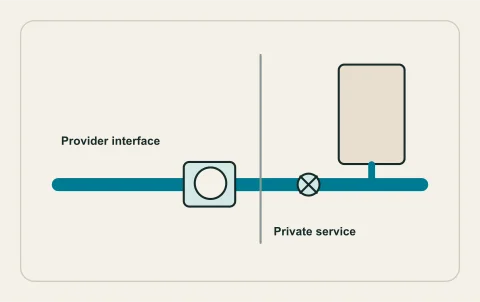
Ask project questions at the correct interface
For a suite, redevelopment, service renewal or new equipment, ask which utility information and approvals apply to the property. Water-service changes, metering, billing and private distribution are different parts of the project. A plumber’s interior quote may not include the utility interface, and a permit application may need separate provider coordination.
Confirm municipal plumbing requirements for the actual work with the responsible professional. Do not assume approval from a provider closes the building permit, or vice versa. Keep the contact, written answer, drawings and unresolved points in one file. That makes a scope review more reliable than a verbal statement that the water company said everything was fine.
Keep an address-level servicing record
Record the current confirmed provider, account contact route, relevant notices and property-side service information without exposing private credentials. Preserve historic district names on original documents while adding a dated current note. Recheck the information when the project, property or operating arrangement changes.
The authority tool provides an address prompt and official lookup starting point; it does not automatically determine a parcel’s legal jurisdiction. A human-reviewed request can include the provider result and the unresolved private-project question. HAUSE is not the utility operator, billing office or emergency dispatcher. It helps explain the system and organize a request while current authority and service decisions remain with the official provider and relevant professionals.
Questions people ask
Can I choose the provider from my neighbourhood name?
Is GEID information still relevant during transition?
Does a provider report describe my kitchen tap exactly?
Who handles a private leak?
What should I save for a project?
Sources and further reading
- Find your water provider ↗ · City of Kelowna. Checked 2026-10-02.
- GEID transition ↗ · City of Kelowna. Checked 2026-10-02.
- Drinking Water ↗ · Interior Health. Checked 2026-10-02.
- Rutland Waterworks District ↗ · Rutland Waterworks District. Checked 2026-10-02.
- Monthly & yearly reports ↗ · Black Mountain Irrigation District. Checked 2026-10-02.
- Plumbing & heating permits ↗ · City of Kelowna. Checked 2026-10-02.
Confirm the current requirements with the responsible authority for the actual address and work. This reference does not replace site assessment or an official decision.