Identify the address and provider first
Use the City’s address-based provider lookup, then confirm unclear results through official channels. Keep available utility and development records alongside the property’s own drawings. A district boundary or bill helps establish context, but it does not by itself show the concealed service route or ownership of every component.
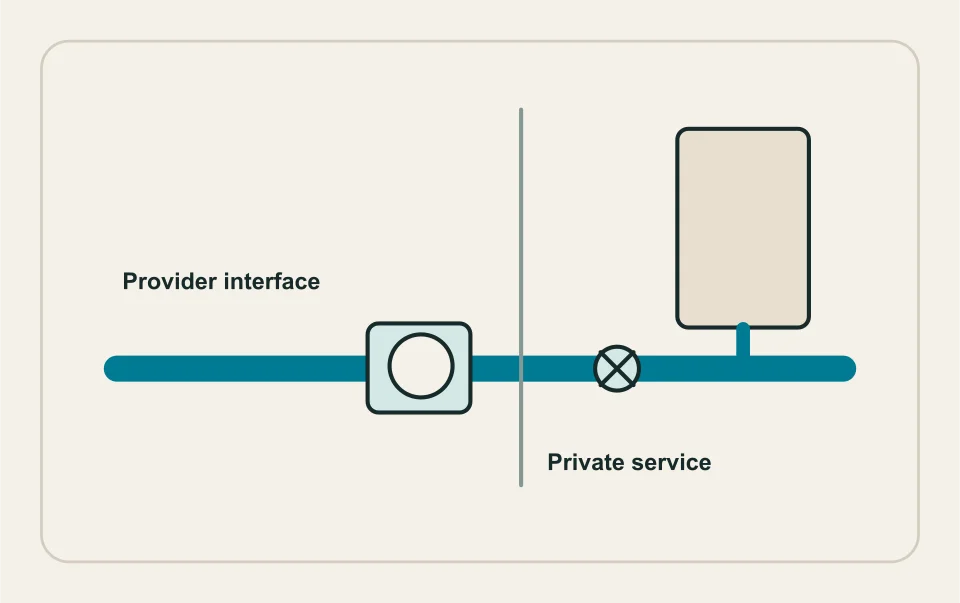
Record visible entry, accessible meter and known shutoff without opening sealed equipment. Distinguish a verified owner-accessible valve from a public curb stop or shared control. Do not operate unfamiliar utility equipment to discover its function. The provider and responsible professional can clarify the interface and access requirements for the actual project. A neighbourhood assumption is not enough to authorize work on connected infrastructure.
Separate material evidence from a route assumption
Photograph readable markings and visible portions safely. Interior material does not prove the buried service is the same, and a home’s construction date cannot establish every past replacement. Keep previous repair invoices and excavation photographs where available. Ask the assessor to label confirmed sections and unknown portions distinctly.
Available plans, locating and selective investigation may help resolve a route, but each has limits. If a renewed line is proposed, ask how its start, end and path will be verified and how other services are considered. The purpose is to define the boundary safely, not to create an owner-led digging plan. Concealed uncertainty should be part of the professional scope and approval process rather than hidden in a fixed replacement claim.
Investigate the complaint across retained components
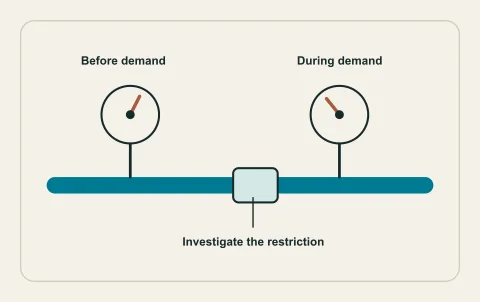
A wet yard, unusually high use, weak fixture flow and intermittent interruption are different symptoms. A service assessment should connect observations with suitable evidence. Meter movement alone does not locate a buried leak, and weak flow at one tap does not prove the entry line is inadequate. Irrigation and automatic equipment can complicate use observations.
The pressure-and-flow guide explains those distinctions. A renewal proposal should identify which problem it is expected to resolve and which retained components can still affect the result. Metering, pressure control, protective assemblies and interior distribution may need separate assessment. Avoid treating a larger new pipe as a universal solution before the actual restriction or failure has been established.
Resolve approvals and construction access
Ask the supplier about its connection, shutoff, meter or service-change process for the address. Confirm the private work’s plumbing permit and inspection through the City and responsible professional. Public-land, roadway or shared-property interfaces can introduce additional authorization; a contractor’s schedule is not that approval.
Site disturbance can also need address-specific review. The City’s environmental and hazardous-area guidance is relevant where the proposed work affects regulated conditions. Do not assume every service renewal needs the same report, but do not ignore a hillside, shoreline or other constraint. Keep land access, easements and property permission visible alongside the technical route.
Include protection, interruption and restoration
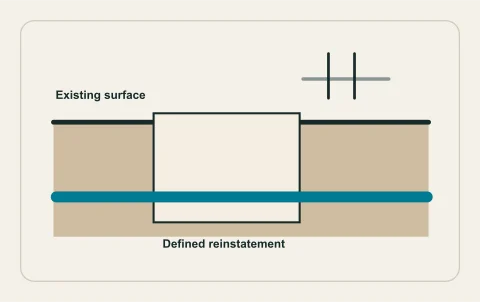
A complete proposal defines the service boundary, method, connection, isolation, temporary-use arrangements, testing, inspection and reinstatement. Ask how occupants are informed and how an unexpected condition changes the plan. Do not promise a universal interruption time without the assessed route and provider coordination.
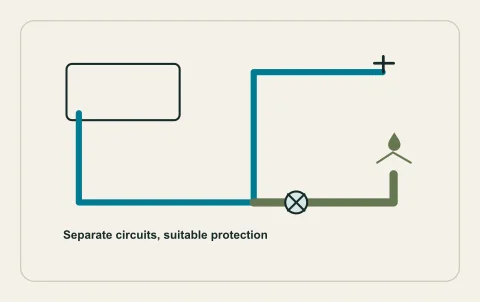
Potable protection must be maintained during and after work. Cross-connection requirements can matter where the installation includes protective assemblies or alternate sources. Clarify driveway, landscape and interior finish outcomes separately from pipe installation. Temporary backfill and completed restoration are different deliverables. A service price without those boundaries cannot be meaningfully compared with a proposal that includes the full property outcome.
Keep a verified service record after the work
Retain final route information, confirmed materials, connection boundaries, accessible isolation, tests and approval records. Identify portions deliberately retained and any conditions requiring follow-up. Safe photographs before the ground or wall is closed can help the next professional understand a service that later becomes invisible.
Ask for the appropriate commissioning and ordinary user instructions from the responsible parties; this guide does not prescribe flushing or utility operation. If a human-reviewed request is useful, include the provider, complaint, known entry, route evidence and desired decision. HAUSE can organize a private-project question, but it does not locate a buried line remotely, decide legal ownership or authorize alteration of the public water network.
Questions people ask
Does interior pipe identify the buried service?
Can a meter reading locate a service leak?
Who operates the curb stop?
Is a pipe-only quote complete?
What should I keep after renewal?
Sources and further reading
- Find your water provider ↗ · City of Kelowna. Checked 2026-10-02.
- Plumbing & heating permits ↗ · City of Kelowna. Checked 2026-10-02.
- Environmental development permits ↗ · City of Kelowna. Checked 2026-10-02.
- Cross connection control ↗ · City of Kelowna. Checked 2026-10-02.
- Water Regulation Bylaw ↗ · City of Kelowna. Checked 2026-10-02.
Confirm the current requirements with the responsible authority for the actual address and work. This reference does not replace site assessment or an official decision.