Identify every source and intended use
List the confirmed drinking-water provider, irrigation supply where separate, any alternate source and equipment connected to each. Do not assume that an outdoor pipe is potable or that a tap near a garden is intended for every use. Historic labels and informal accounts need confirmation before a project relies on them.
Use Kelowna’s provider lookup and relevant official records as a starting point. In areas with agricultural or transitioned service arrangements, ask the operator about the actual address and connection. Keep the source record with the property documents. A consumer guide cannot authorize linking sources or treating non-potable water as suitable for drinking, food preparation or household use.
Understand why the connection itself matters
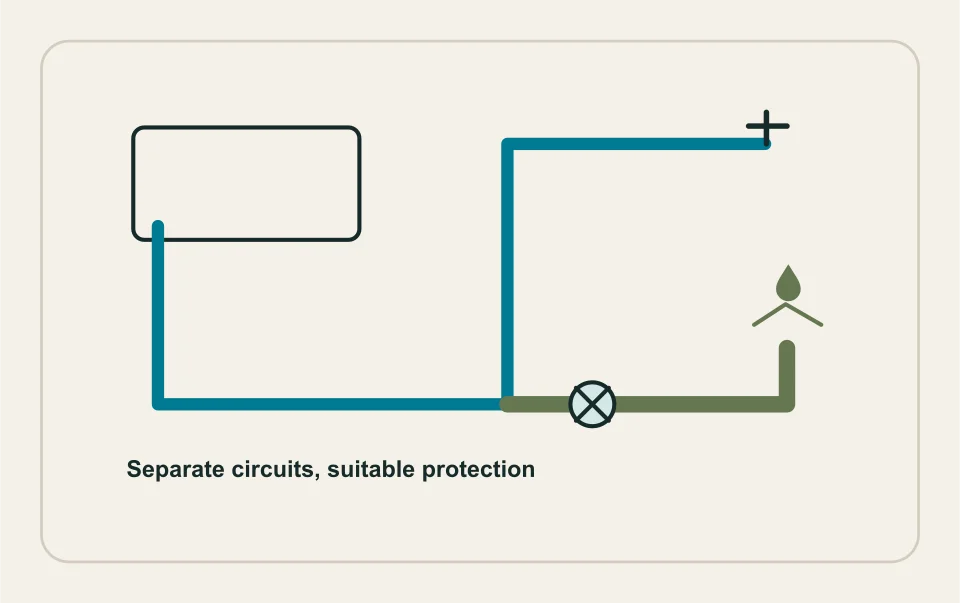
Cross connections can allow contamination to move toward the potable system when pressure conditions change. A hose end, process vessel, irrigation network or alternate supply can create a hazard depending on the arrangement. The City’s cross-connection guidance explains the protection objective and examples.
Do not select a protective device from a generic online diagram or bypass an existing one to improve flow. The hazard, equipment and applicable requirements determine the appropriate professional assessment. This page provides no device-class selection, air-gap dimension or installation sequence. An apparently simple outdoor connection can still affect the shared drinking-water system, so the boundary deserves attention before a garden or renovation project is connected.
Resolve the provider and testing requirements
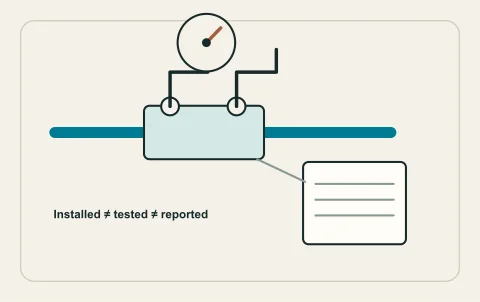
Ask the relevant programme or provider what applies to the actual proposed use. A required assembly can carry testing and reporting obligations distinct from installation. Keep any notice, approved basis, assembly identification and report destination together. A device looking intact does not establish a current verified result.
Use a qualified tester or responsible installer appropriate to the requirement. Agree on access, any interruption and authorization for corrective work. The testing-record guide distinguishes installed, tested, passing and reported states. Do not reduce those to a single completed-job label. If the use changes or another source is proposed, revisit the assessment rather than assuming the old approval automatically covers the new arrangement.
Coordinate seasonal operation with the actual system
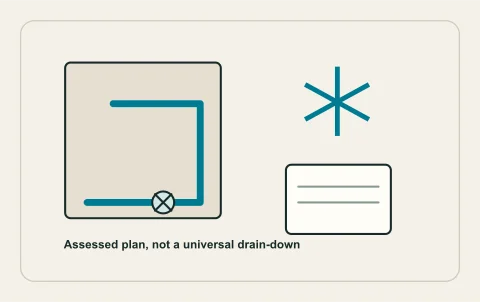
Irrigation can have seasonal maintenance needs, but a universal drain-down or restart instruction can be unsuitable for a particular installation. Obtain the appropriate professional and manufacturer plan for the actual system, including protection and safe isolation. This portal does not instruct owners to blow out lines, operate test ports or reconnect alternate supplies.
Keep user controls distinguishable from utility and protective equipment. A garden contractor’s scope and a drinking-water-protection assessment can be different services; ask who owns each interface. If a leak or unexpected flow appears, describe the location and timing without manipulating unfamiliar components. Safe observations and a current source record help the responsible professional respond without making a speculative change to the network.
Use current conservation and restriction information
Restrictions and drought stages can change and can be provider-specific. Link to the confirmed operator’s current notice rather than assuming a stage from another district or embedding an old schedule in a permanent property instruction. BMID’s information and Rutland Waterworks’ notices are examples of official provider channels.
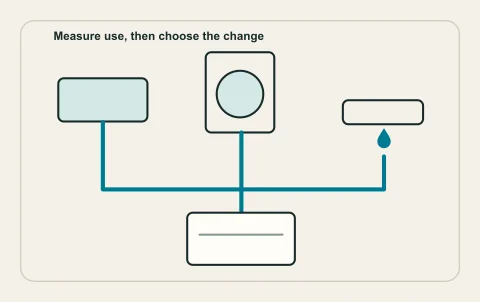
Water-use reduction should be matched to the actual measured or observed use. A suspected irrigation leak and a household fixture leak need different investigation boundaries. Do not treat an assumed citywide consumption figure as evidence that this property’s system is wasteful. Record actual use, timing and authorized operation so a proposed improvement can be evaluated against a defensible starting point.
Handover a source and protection map
Keep a readable record of each confirmed source, intended use, verified isolation, protective equipment, test history and relevant provider correspondence. Label sources accurately through the responsible professional’s guidance. The next owner should not have to infer whether a line is potable from its location or colour.
For a human-reviewed request, include the source information, proposed equipment and unresolved protection question. Avoid account credentials and unnecessary personal details. HAUSE is a reference portal, not a water-system operator or backflow tester. It does not authorize a new source connection or certify water suitability remotely; it helps make the boundary and the right professional questions clear before work is committed.
Questions people ask
Is every outdoor tap potable?
Can irrigation protection be removed for better flow?
Does installation close the backflow obligation?
Can this guide provide winterization instructions?
Where should restrictions be checked?
Sources and further reading
- Cross connection control ↗ · City of Kelowna. Checked 2026-10-02.
- Find your water provider ↗ · City of Kelowna. Checked 2026-10-02.
- Monthly & yearly reports ↗ · Black Mountain Irrigation District. Checked 2026-10-02.
- Rutland Waterworks District ↗ · Rutland Waterworks District. Checked 2026-10-02.
- Water Regulation Bylaw ↗ · City of Kelowna. Checked 2026-10-02.
Confirm the current requirements with the responsible authority for the actual address and work. This reference does not replace site assessment or an official decision.