Define absence, occupancy and responsibility
Record the expected vacancy pattern, which spaces remain used and who is responsible for checking the property. A home away for a short period, a seasonal residence and a partially occupied commercial building have different operational contexts. Describe actual care needs and essential systems rather than assuming that all water-related equipment can be switched off.
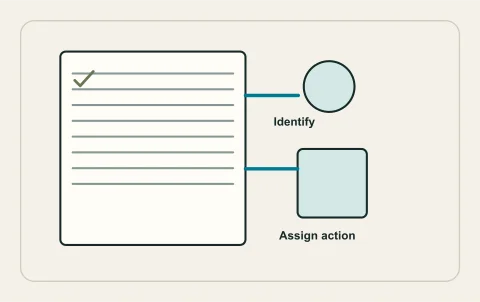
Identify the owner, manager, authorized responder and access arrangement. Check applicable insurance or property-management requirements directly with the relevant adviser; this guide does not interpret coverage or guarantee compliance. Keep contact information current and private. A plan should still work if the usual person is unavailable, rather than relying on an informal promise that a neighbour will notice every fault.
Inventory the systems before changing operation
List domestic supply, hot water, drainage, irrigation, treatment, pumps and any water-connected heating or protective systems. Verify which controls serve which parts through the responsible professionals. A valve labelled water can affect more than the owner expects, especially in a shared building. Do not establish isolation by trial operation.
Ask the appropriate contractor and manufacturer about the actual equipment’s vacancy and seasonal requirements. This page provides no blow-out, draining, gas, electrical or sewage procedure. An established safe user control is different from a professional service operation. Keep the recommended plan in writing so a later helper does not apply a generic instruction from another property to a system with different interfaces.
Discuss cold exposure and access constraints
Describe unconditioned spaces, vulnerable service routes and past freeze or interruption history as observations for assessment. Do not assume a particular pipe depth or insulation requirement from the Kelowna climate alone. The actual route, construction and equipment determine the professional response. Avoid installing improvised heat devices or altering electrical connections from online advice.
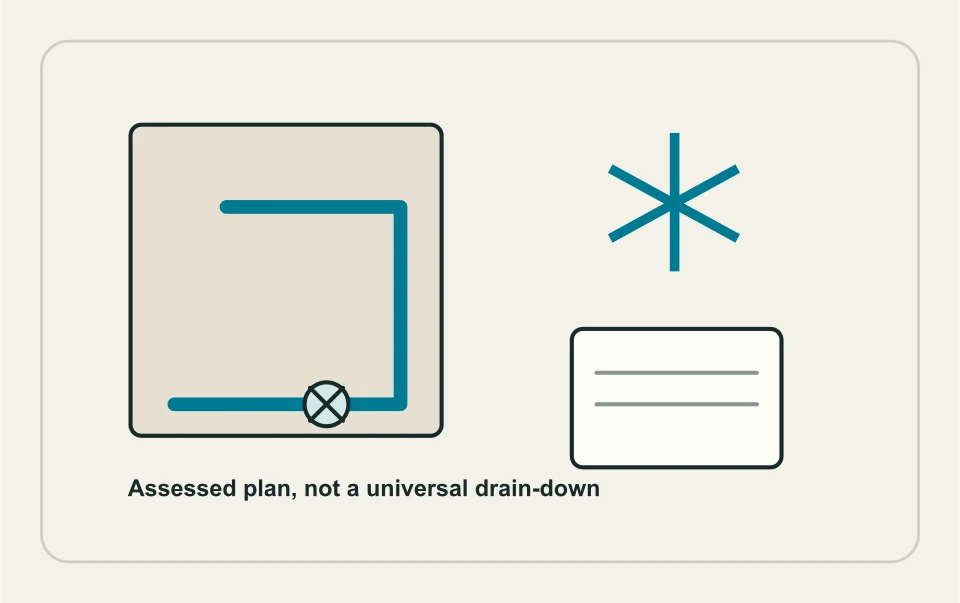
If work is recommended, define access, maintenance and safe fault response. A protective measure should have an assessed purpose and limitation rather than a promise that freezing or damage can never occur. Shared buildings need manager coordination because one vacancy plan can affect occupied areas. Preserve the relevant source documents and route records so the professional can distinguish confirmed conditions from a speculative concern.
Keep provider notices and protection obligations current
Confirm the actual supplier through the address lookup and use its current notices for interruptions or relevant seasonal information. Provider and private-property duties are different. A vacant property can still need attention to required protective assemblies or reporting; absence does not automatically close those obligations.
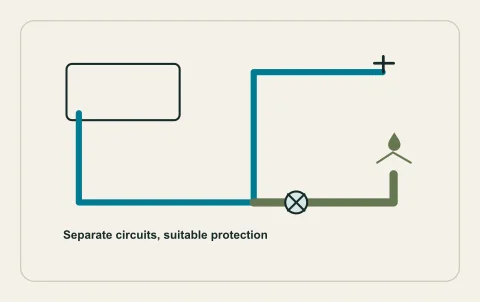
The City’s cross-connection guidance is relevant to appropriate protection and testing. Keep irrigation or alternate sources distinct from domestic supply. If a seasonal contractor’s scope changes those connections, ask who resolves the protective interface. Do not remove or bypass equipment for convenience, and do not substitute an old notice from another district for the current instructions.
Plan monitoring and direct response
Determine how a fault would be noticed, who is authorized to respond and how safe access is arranged. Leak alarms or automatic shutoff devices can be discussed as part of a professional plan, with compatibility, power, maintenance and limitations explicit. They do not guarantee that every failure is detected or contained.
Keep direct contractor, provider and building contacts available through the property’s process; the City utilities directory is an official starting point for relevant public services. HAUSE’s human-reviewed form is not emergency dispatch. The monitoring plan should not depend on someone checking a portal queue while an unattended property leaks. Record actions and incidents so the return-to-use assessment has reliable history.
Include return to use before leaving
Discuss the appropriate recommissioning and water-management plan with the responsible professionals before absence begins. Health Canada’s premise-plumbing guidance explains why low use and stagnation can matter. This portal does not prescribe a universal flushing schedule, heater setting or restart sequence.
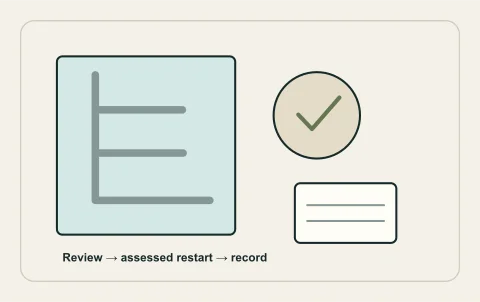
Keep the equipment plan, verified controls, service contacts and required follow-up in one file. Recheck current provider advice before use resumes. A human-reviewed planning request can describe the building, absence pattern, known systems and unresolved professional question. HAUSE does not certify winter protection or insurance compliance remotely; it helps organize a property-specific conversation and an accountable return-to-use boundary.
Questions people ask
Should every vacant property have water shut off?
Can I use a generic winterization checklist?
Will a leak sensor guarantee protection?
Does absence remove backflow obligations?
What should be arranged before return?
What should an authorized checker report while I am away?
Sources and further reading
- Find your water provider ↗ · City of Kelowna. Checked 2026-10-02.
- Cross connection control ↗ · City of Kelowna. Checked 2026-10-02.
- Utilities directory ↗ · City of Kelowna. Checked 2026-10-02.
- Residential premise plumbing pathogens and water quality ↗ · Health Canada. Checked 2026-10-02.
Confirm the current requirements with the responsible authority for the actual address and work. This reference does not replace site assessment or an official decision.