Build an asset register from verified information
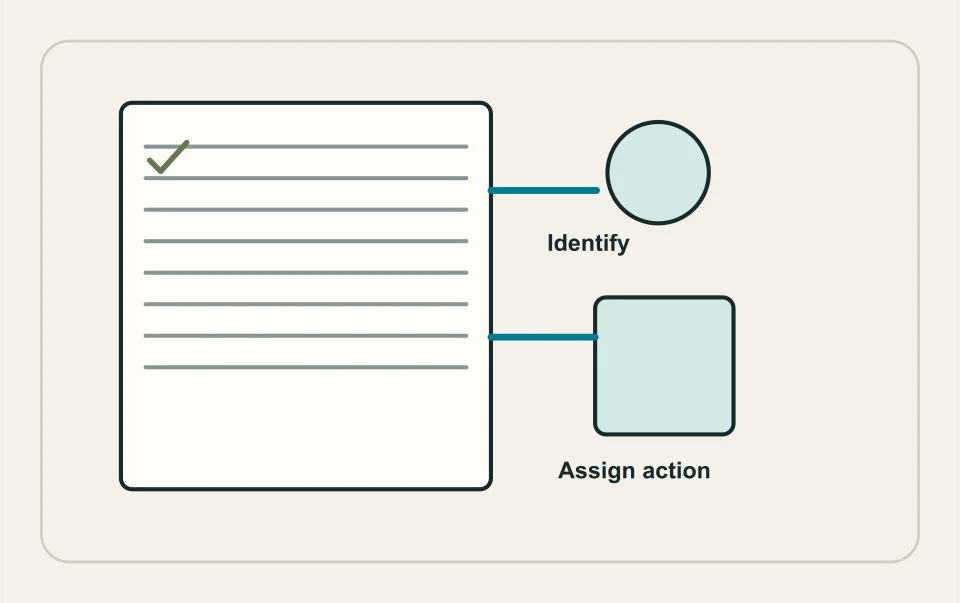
Record service entry, accessible isolation, water heaters, circulation equipment, protective assemblies, pumps and other relevant assets. Include exact models, location, ownership, maintenance contact and source documents. Mark unverified information clearly rather than copying an old label into a permanent record. A route drawing can help connect assets to the spaces they serve.
Separate potable water, sanitary drainage, stormwater and process systems. Each can have different authority and operational requirements. In strata buildings, use the actual plan and bylaws alongside the Province’s repair-duty guidance. The register should organize responsibility, not pretend to decide disputed ownership or replace specialist assessment of concealed systems.
Use condition and consequences to set priorities
A recurring leak in an occupied area, a missing service record and a cosmetic fixture complaint do not have the same urgency. Describe condition evidence, affected occupants, damage consequences and access difficulty. Keep observed faults distinct from age-based concerns or an unconfirmed contractor recommendation. A priority list is stronger when someone can explain why each item needs action.
Review repeated call-outs for patterns and unresolved boundaries. Several visits labelled drain clearing may indicate a need for reusable diagnostic evidence; they do not prove replacement automatically. Track what was found and what remains uncertain. Use that history to commission the next investigation rather than authorizing the same undefined visit again. A maintenance plan should evolve with findings instead of remaining a calendar detached from the building.
Track obligations separately from optional maintenance
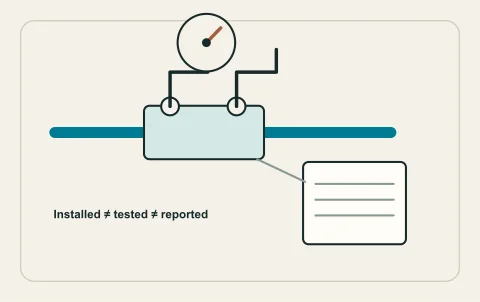
Some equipment has authority, manufacturer or approved-design requirements that should not be reduced to a generic annual service label. For backflow assemblies, use Kelowna’s cross-connection guidance and actual notices to identify testing and reporting. Record the assembly, qualified tester, result, report destination and any corrective action.
Food-service or process drainage may have source-control requirements and maintenance records specific to the operation. Manufacturer care for a heater or pump is a different obligation again. Keep required reports, recommended condition inspections and optional improvements in separate fields so a board or owner can see what is outstanding. Do not invent universal intervals for every asset or assume one contractor’s service visit closes all regulatory requirements.
Maintain a direct fault-response route
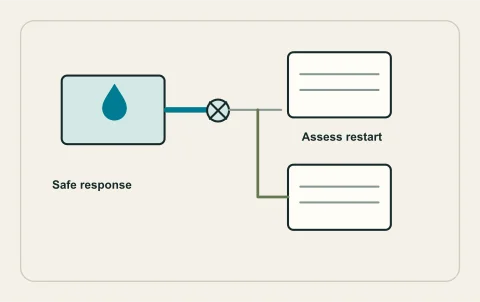
Identify who receives urgent reports, who can authorize direct response and who understands verified isolation. Keep current provider and contractor contacts available through the building’s established process. The City utilities directory is a starting point for public-utility contact, while private equipment and occupant safety require the appropriate direct professional route.
Tell staff not to operate unfamiliar common valves or enter contaminated or electrically hazardous areas. A maintenance register should support safe escalation, not become a DIY instruction manual. Record incident time, affected services, safe photographs and actions taken. Keep resident personal information limited to what the response requires. HAUSE’s request form is for human review, not emergency dispatch or a substitute for the building’s response arrangements.
Define work orders around evidence and deliverables
A work order should state the symptom or objective, known asset, access authorization, investigation boundary and expected deliverable. Include whether the visit covers diagnosis, repair, report, testing or all of them. A vague instruction to fix plumbing can make both cost control and acceptance difficult when concealed conditions appear.
Confirm required permits and inspection for alterations through the City’s plumbing guidance and responsible professional. Identify shutdown notice, finish restoration and a process for changes. Close the order only after receiving the agreed evidence and documenting any outstanding work. An invoice is a payment document; it may not contain the route, test or maintenance information the asset register needs.
Use handover and periodic review to preserve continuity
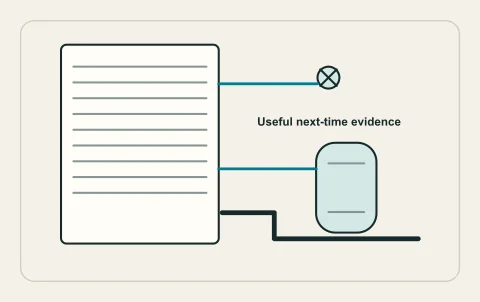
After each significant job, update exact models, routes, isolation, test records and photographs. Preserve original reports rather than replacing them with a one-line conclusion. Keep a readable summary that explains what changed and which equipment remains. A new manager should be able to understand the asset without contacting the previous manager from memory.
Review the register when occupancy, equipment or business use changes. Health Canada’s building-water guidance is relevant to stagnation and managed systems, but the actual building may need a professional water-management plan. A human-reviewed maintenance request can include the relevant register extract and next decision while keeping tenant data and unrelated records private.
Questions people ask
Can a generic annual checklist cover the building?
What is the most useful register field?
Does paying an invoice close the work order?
Should staff test common valves?
How can a request help?
Sources and further reading
- Division of repair duties in a strata ↗ · Province of British Columbia. Checked 2026-10-02.
- Cross connection control ↗ · City of Kelowna. Checked 2026-10-02.
- Utilities directory ↗ · City of Kelowna. Checked 2026-10-02.
- Plumbing & heating permits ↗ · City of Kelowna. Checked 2026-10-02.
- Residential premise plumbing pathogens and water quality ↗ · Health Canada. Checked 2026-10-02.
Confirm the current requirements with the responsible authority for the actual address and work. This reference does not replace site assessment or an official decision.