Match the records to the agreed project boundary
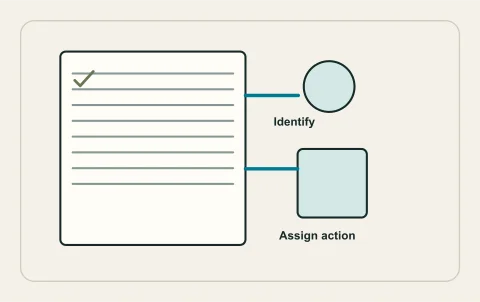
Start with the accepted scope and any approved changes. Identify the repair or renewal limits, retained portions and intended operating result. A partial renewal should remain described as partial; a new appliance should not be labelled a complete-system upgrade if distribution and controls were deliberately retained.
Ask the contractor for a short final summary separating completed work, relevant verification and outstanding items. Keep supporting evidence rather than reducing it to a vague passed label. If several trades worked on access or restoration, identify which party owns each remaining task. This makes the file useful for practical maintenance and acceptance without turning it into a remote guarantee of every future condition.
Preserve routes before they become invisible
Photographs before walls, cabinets or ground are closed can explain the actual connections and service spaces. Include orientation and location; a close-up joint without a room or route reference can be hard to reuse. Final sketches should distinguish verified paths from inferred concealed portions. Retain original survey or camera files where available.
For buried work, keep the final route and connection boundary as provided by the responsible professional, with any uncertainty stated. Do not treat photographs as a licence to excavate or a substitute for future safe locating. For shared buildings, provide the authorized manager with relevant records and avoid exposing other occupants’ personal information. A future repair professional should be able to understand the route while still making their own appropriate safety assessment.
Record exact equipment and verified controls
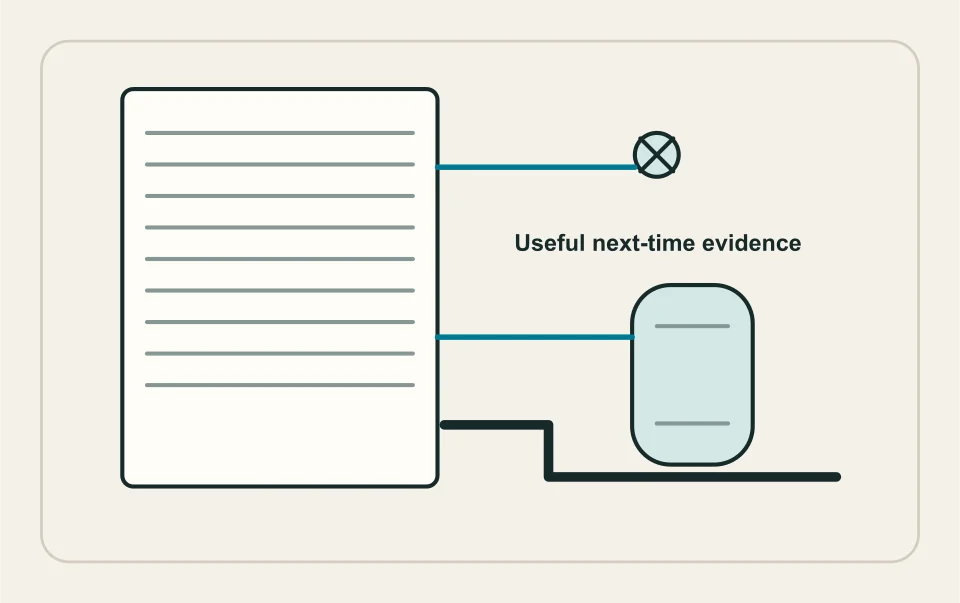
Keep installed models, identifying labels, manufacturer literature and compatible service information. A broad invoice description such as water heater or faucet can be insufficient when a future part is needed. Record substitutions and the professional’s reason if they changed the accepted equipment.
Have verified isolation described in practical terms and distinguish ordinary user controls from utility or professional service equipment. Do not label an untested valve as whole-building isolation. In a shared property, coordinate the records with the actual ownership and access process; the Province’s maintenance guidance provides context, while the specific property documents establish the relevant arrangement.
Keep tests, permits and inspection separate
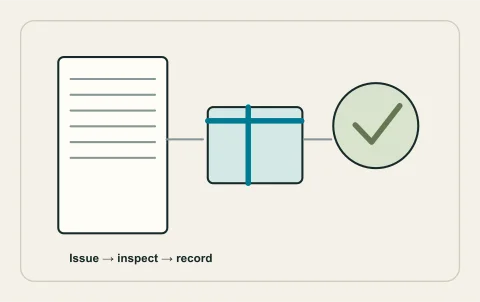
Obtain the agreed contractor verification or commissioning and the actual regulatory records where applicable. Kelowna’s plumbing guidance distinguishes an issued permit and required inspection from a submitted application. A progress photograph or paid invoice does not close those requirements by itself.
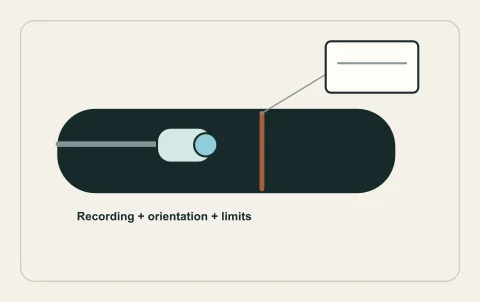
For camera work, retain orientation, assessed limits and report findings with the recording. For backflow equipment, installation, test result and report submission have distinct evidence. For hot-water or pressure work, keep the intended operating conditions and relevant commissioning limitations. Do not merge every type of evidence into a single success claim; each answers a particular question and may leave a follow-up boundary.
Make maintenance and fault response accountable
Ask for ordinary user instructions, maintenance responsibilities, authorized service contact and warning conditions. Exact requirements depend on the equipment and system. This portal does not create universal service intervals or teach occupants to open pressurized, gas, electrical or contaminated equipment.
If treatment, circulation or other building-water equipment was changed, keep the purpose and professional operating plan. Health Canada’s premise-plumbing guidance explains the broader context for managed systems and stagnation. A label on an appliance is not the complete maintenance plan. Identify who receives a fault and how a change in occupancy or operation should trigger professional review. The next manager needs actions and contacts, not only technical terms.
Store a readable summary beside original evidence
Use one organized folder with a simple index: accepted scope, changes, routes, models, verification, approvals, user care, warranty and unresolved items. Keep original documents rather than replacing them with a summary. Protect personal or account information and share only what the next responsible party needs.
Review outstanding restoration separately from mechanical completion. A finished pipe and an unfinished room are different project states. If a non-urgent follow-up is needed, send a human-reviewed request describing the original scope, available evidence and remaining question. HAUSE can organize the discussion, but it does not issue a condition certificate or remotely declare a contractor’s work complete. A reliable record helps the appropriate professional make that next assessment efficiently.
Questions people ask
Is the invoice enough?
Are photographs useful without measurements?
Should every valve be labelled by the owner?
Does a contractor test replace inspection?
What should the summary say about unfinished work?
Sources and further reading
- Plumbing & heating permits ↗ · City of Kelowna. Checked 2026-10-02.
- Permit inspections & area map ↗ · City of Kelowna. Checked 2026-10-02.
- Division of repair duties in a strata ↗ · Province of British Columbia. Checked 2026-10-02.
- Residential premise plumbing pathogens and water quality ↗ · Health Canada. Checked 2026-10-02.
Confirm the current requirements with the responsible authority for the actual address and work. This reference does not replace site assessment or an official decision.