Establish the authority for the property
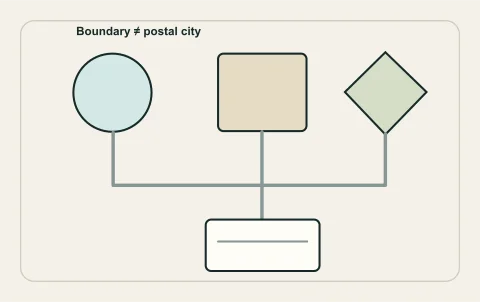
A Kelowna postal address does not by itself establish municipal building jurisdiction. The Regional District’s building-permit page distinguishes its electoral-area service from municipalities and local First Nations. Confirm the actual property boundary and authority before adopting a neighbour’s application process.
Water provider, plumbing-permit authority and regulated gas or electrical authority can also be different interfaces. Identify each relevant question rather than assuming a single office approves every discipline. For a City property, begin with Kelowna’s plumbing-permit guidance. This portal explains the sequence but does not issue a permit, decide jurisdiction from a postal label or authorize a homeowner to undertake regulated work.
Describe the real alteration and ownership
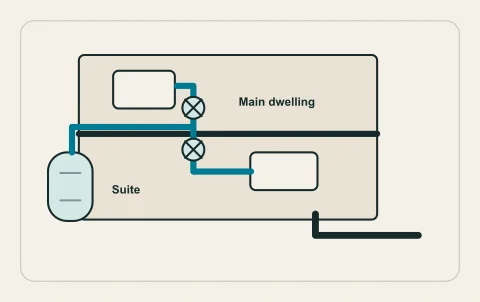
Give the responsible professional and authority the actual proposed work: new fixtures, relocated drainage, supply renewal, equipment change, suite or commercial use. Informal phrases such as cosmetic or like for like may hide a changed route or use. Ask the authority about the specific scope rather than treating an internet statement as an exemption.
Property authorization is a separate question. In a strata or leased building, obtain the relevant owner or management approval and service-access arrangement. A permit cannot resolve a private ownership dispute, while landlord permission is not regulatory approval. Keep both in the project file. If the scope changes during construction, have the responsible party confirm whether the changed drawings or approval requirements need review before proceeding.
Prepare the evidence the application needs
Gather the relevant plan, fixture or equipment information, property details and owner authorization as applicable. The City’s guidance indicates that commercial and multi-family work may need mechanical drawings and further review. Confirm the actual submission checklist with the office; do not assume every project uses the same documents or review timeline.
The official application portal is an official submission route, with current instructions governing the application. HAUSE’s request form is not that portal and does not submit a municipal application on your behalf. Keep the submitted scope and documents so the eventual issued permit can be matched to what is being built. Missing or incompatible information can change the review, so resolve uncertainty before promising a construction or opening date.
Keep issue and inspection in the construction sequence
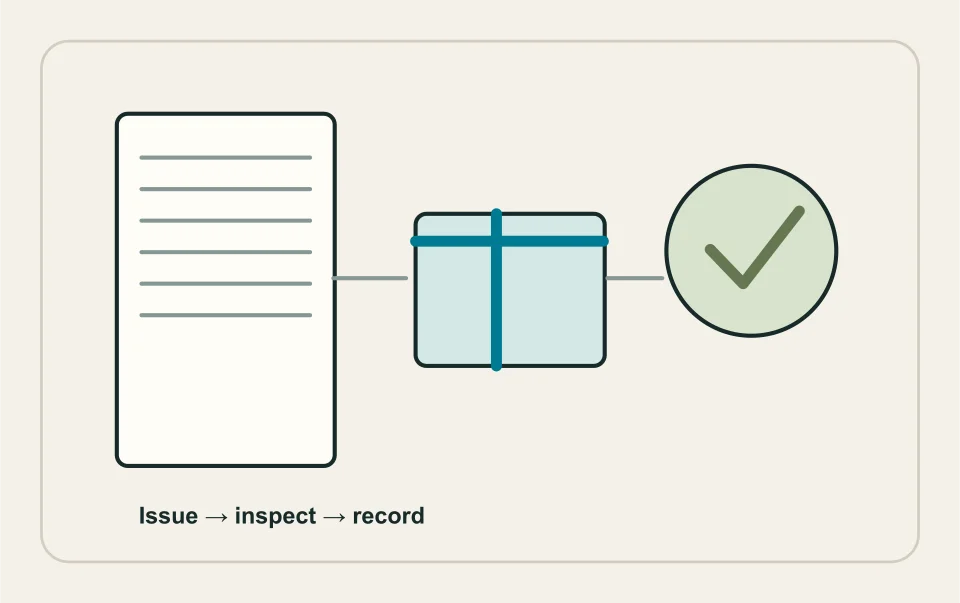
The City expressly distinguishes submission from a valid issued permit. It also warns against covering work that needs inspection before that inspection occurs. Coordinate rough work, access, testing, inspection and finishes through the responsible permit holder. A contractor’s invoice or progress photograph is not a substitute for the authority’s record.
Use the inspection information for the current request process. Prepare the permit identification, property, inspection type and responsible contact. Avoid embedding a permanent promise about appointment times in the project; current office instructions and availability govern. If an inspector identifies an issue, keep the correction and follow-up stage visible rather than closing the wall because another trade has arrived.
Record the meaning of each project state
| State | Useful evidence | What it does not establish |
|---|---|---|
| Application submitted | Submitted scope and reference | Permission to begin work that needs an issued permit |
| Permit issued | Permit and approved documents | Every stage has been inspected or completed |
| Work installed | Contractor records and accessible work | Required regulatory inspection is closed |
| Inspection or correction | Actual authority record and outstanding items | Unrelated property or operating approvals are satisfied |
| Project handed over | Complete agreed records and resolved scope | Every future condition or warranty claim is guaranteed |
Keep these states distinct in the schedule and any shared-building report. A green completed label can be misleading if it hides a correction, an unreviewed change or unfinished restoration. Ask which record closes the actual requirement and who supplies it. Consumer checklists organize information; they do not replace the authority’s decision.
Build a final approval and maintenance file
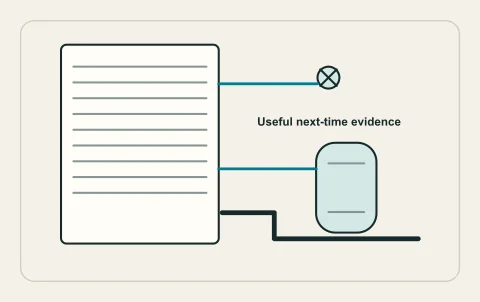
Retain the issued permit, relevant approved drawings, inspection and correction records, final route information and exact equipment models. Mark retained portions and outstanding work honestly. A future owner or manager should understand the actual project rather than relying on an informal statement that permits were handled.
The Province’s plumbing-code bulletin explains the code framework; this portal paraphrases no copyrighted design table and supplies no installation dimensions. For a human-reviewed request, state the property authority, planned work and approval question. HAUSE is a reference service, not the inspector, and cannot remotely certify code compliance or promise permit issuance.
Questions people ask
Is an application enough to start work?
Does a permit close the strata approval question?
Can walls be closed after the contractor tests the pipe?
Will every project have the same review schedule?
Which documents matter to the next owner?
Sources and further reading
- Plumbing & heating permits ↗ · City of Kelowna. Checked 2026-10-02.
- Permit inspections & area map ↗ · City of Kelowna. Checked 2026-10-02.
- Permit application portal ↗ · City of Kelowna. Checked 2026-10-02.
- 2024 BC Plumbing Code bulletin ↗ · Province of British Columbia. Checked 2026-10-02.
- Building permits and inspections ↗ · Regional District of Central Okanagan. Checked 2026-10-02.
Confirm the current requirements with the responsible authority for the actual address and work. This reference does not replace site assessment or an official decision.