Use property jurisdiction instead of a postal assumption
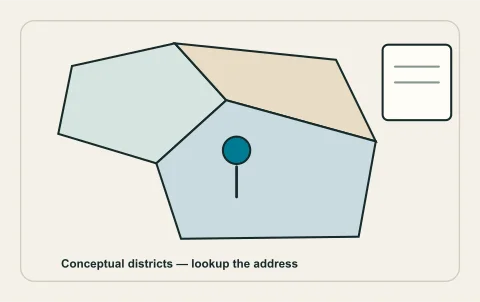
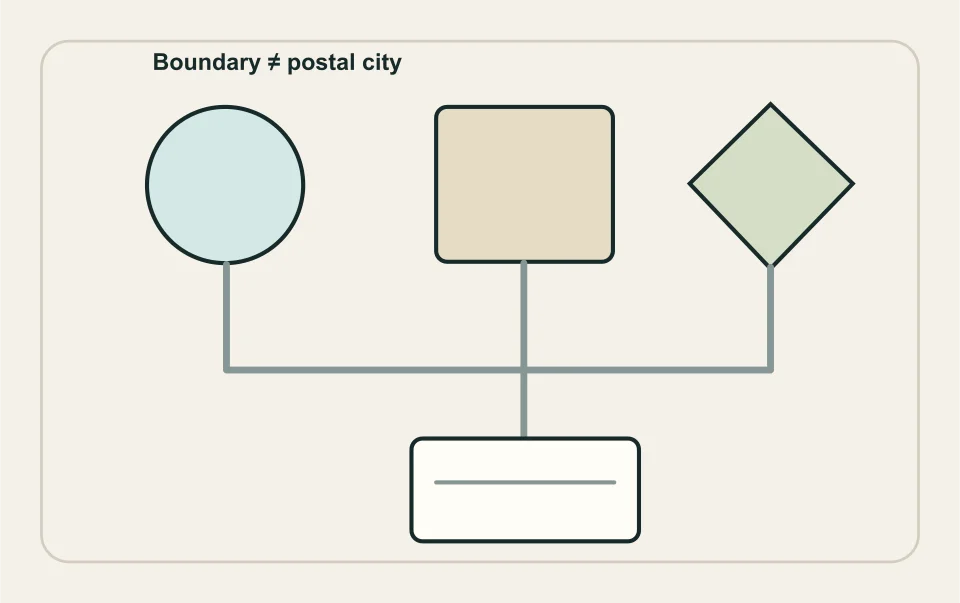
Check the parcel and governing authority through official property information. RDCO states that it provides building regulation and inspection for its electoral areas, while municipalities and local First Nations administer their own areas. A regional mailing address or a familiar contractor’s territory does not resolve which office handles this project. Ask the relevant authority to clarify an uncertain boundary before using an application form.
Keep the result with its date and the address used. If a property or development arrangement is unusual, explain that rather than forcing it into the nearest familiar city. This guide is a routing reference, not a legal boundary certificate. It does not imply that one regional office grants permission for every building, utility or land-related activity across the Central Okanagan.
The roles described here come from RDCO’s official building jurisdiction page.
Confirm water supplier as a separate field
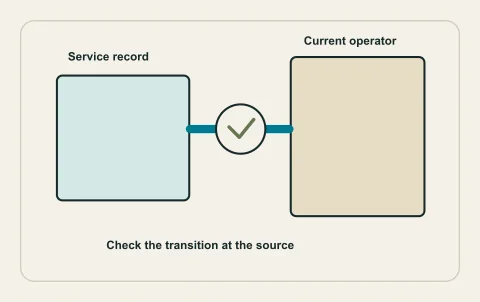
A water-service relationship can differ from municipal building jurisdiction. Use the City’s provider lookup where relevant and obtain operator confirmation for an unclear result. The GEID transition information discusses service outside City boundaries, illustrating why supply should not be used as a shortcut to the permit answer. Record the actual operator and the actual building authority independently.
Route operational service, billing or quality questions to the supplier and relevant health authority, while proposed building alterations go to the responsible permit office. A private professional examines the building system within their scope. The project may need several coordinated contacts, but one office’s reply should not be presented as another office’s approval or as evidence that every private component is sound.
Describe the proposed work accurately
Fixture repair, new drainage, a buried connection, changed occupancy and exterior grading can require different review. Provide the actual scope and existing approval records instead of asking a broad question about “plumbing in Kelowna”. Ask whether work is included in a larger permit and what drawings or inspections apply. Requirements should be confirmed for the authority and project, not copied from a neighbour.
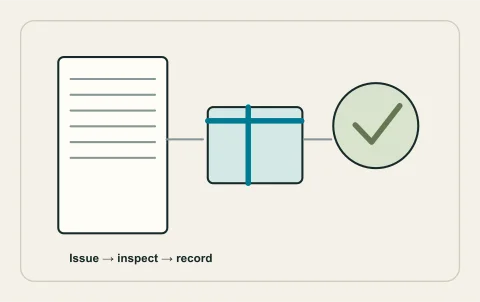
Keep application, issuance, inspection and closure as distinct milestones. The City specifically warns that an application is not a valid issued permit, and RDCO describes inspection requirements through its permit process. This guide does not supply a universal exemption or promise an approval time. Preserve the actual authority’s instruction and update the question if the scope changes.
For a project with several approvals, create a responsibility table showing the proposed task, actual reviewing office, status and evidence still needed. Include the private owner's or manager's authorization as its own line. Do not populate the table from a generic city checklist when the property authority is uncertain. Ask the office to identify its role and any referral, then preserve that dated response. This method helps the commissioning person see the next action without treating a referral, application receipt or ordinary utility account as the final permission for all parts of the project.
For City-governed work, read the City plumbing permit guidance and confirm the actual approval stage.
Keep land, property and regulated interfaces visible
Public connections, road use, health-regulated private systems, gas or electrical work and environmental review can have responsibilities beyond ordinary plumbing approval. Ask the relevant office and qualified professional which processes apply. A general building permit or utility account is not blanket permission to operate public equipment, alter another owner’s property or bypass a specialist requirement.
Strata, landlord and neighbouring access also need actual authorization. Record who can approve entry, shutdowns and spending. Use an agreed sequence so each provider knows the approved boundary. A contractor’s convenient route should be checked against the real property and authority constraints rather than accepted because a generic diagram shows a simple connection across an assumed boundary.
Build a dated approval and contact record
Keep official links, confirmed contacts, reference numbers and the question each reply answers. Record outstanding evidence and the person responsible for obtaining it. Avoid storing account credentials or unrelated private documents in a broad project brief. A good routing record lets another professional understand what is confirmed without mistaking every enquiry for an approval.
At completion, retain relevant inspection closure, operator acceptance and property authorization alongside the actual changed system record. If a document is pending, say so rather than marking the whole project approved. Recheck current processes when a long project reaches the next stage. Clear separation of jurisdictions, functions and milestones prevents stale instructions or a supplier name from silently becoming a false claim of complete permission.
Prepare a jurisdiction request
Prepare a responsibility table with the actual parcel jurisdiction, confirmed water supplier and proposed tasks. For each task, name the office consulted, the question answered, the status and evidence still needed. Keep referrals distinct from approvals and include private-owner or manager authorization where required. An unresolved boundary should remain an explicit question rather than being filled with the nearest familiar municipality.
Ask the relevant office to clarify its role and the process for the current scope. If the proposal changes, revise the table instead of reusing an earlier answer about different work. Preserve applications, issued approvals, inspections and closure as separately dated records. At handover, link those documents to the actual changed system and keep outstanding items assigned. This allows another professional to understand the sequence without treating an ordinary utility relationship or submission receipt as blanket permission.
A human reviewer can reply to the planning request with clarification questions, but this reference site does not certify boundaries, issue permits or reserve work. It has no emergency-dispatch or response-time promise. Use actual authority and operator channels for decisions within their roles, and address immediate hazards first. The form is useful for organizing uncertainty while the real permissions, design and delivery remain with the responsible offices, authorized property contacts and qualified providers.
Questions people ask
Does a Kelowna postal address mean City permits?
Does the water supplier determine building jurisdiction?
Can I use another authority’s permit checklist?
Are submitted applications complete approvals?
What if the project crosses several responsibilities?
Sources and further reading
- Building permits and inspections ↗ · Regional District of Central Okanagan. Checked 2026-10-02.
- Find your water provider ↗ · City of Kelowna. Checked 2026-10-02.
- GEID transition ↗ · City of Kelowna. Checked 2026-10-02.
- Plumbing & heating permits ↗ · City of Kelowna. Checked 2026-10-02.
- Permit inspections & area map ↗ · City of Kelowna. Checked 2026-10-02.
Confirm the current requirements with the responsible authority for the actual address and work. This reference does not replace site assessment or an official decision.