The library
Project & safety guides
Permits, evidence and safe planning.
 Plan with evidence
Plumbing permits and inspections: keep the stages distinct
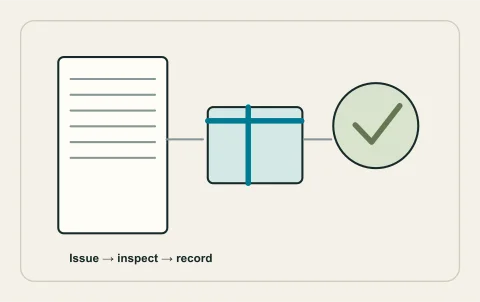
A submitted application is not an issued permit, and installed work is not necessarily inspected work. Those distinctions matter when a renovation closes walls or a business plans to open. Start with the correct property authority and actual alteration, then keep the approval and inspection evidence alongside the construction schedule.
 Plan with evidence
Plumbing handover records: leave evidence the next person can use
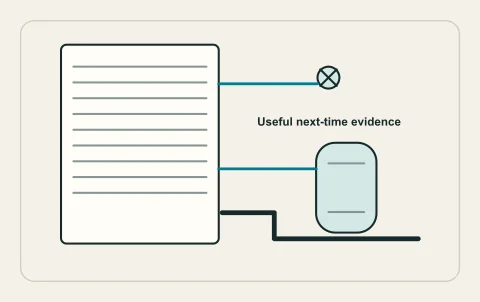
The most useful handover is a readable explanation of what changed and what remains. An invoice alone may not preserve the route, installed system or verified isolation. Keep the documents that let the next owner, manager or professional understand the work without repeating avoidable investigation or relying on someone’s memory.
 Plan with evidence
Home-purchase plumbing review: distinguish evidence from assumptions
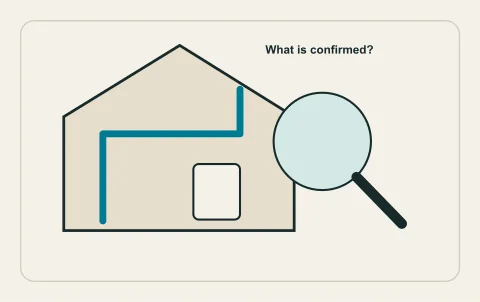
A property viewing cannot reveal every pipe, and a polished renovation does not establish the condition of concealed services. A useful purchase review separates visible observations, supplied records and questions needing professional investigation. The aim is a defined evidence request, not a remote pass/fail verdict based on house age or neighbourhood reputation.
 Plan with evidence
Water leaks and sewage backups: safe response boundaries
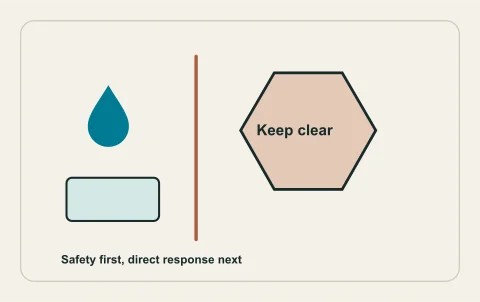
An active leak or sewage backup is first a safety and direct-response situation. Do not wait for a website review when water is escaping, contamination is present or the area may be electrically unsafe. Safe observations can help the attending professionals, but no photograph, valve or possession is worth entering a hazardous space.
 Plan with evidence
Winter and vacancy plumbing: plan for the actual building
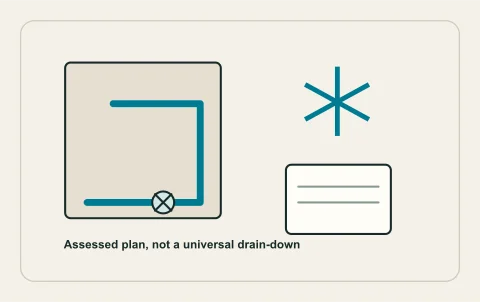
A vacant building is not simply an occupied building with nobody answering the door. Water use, equipment operation, fault detection and access change. The useful plan is specific to the property and its systems; a universal shutoff or drain-down instruction can be unsuitable, especially where shared, heating or protective equipment is involved.
 Plan with evidence
Return a low-use building to service with an assessed plan
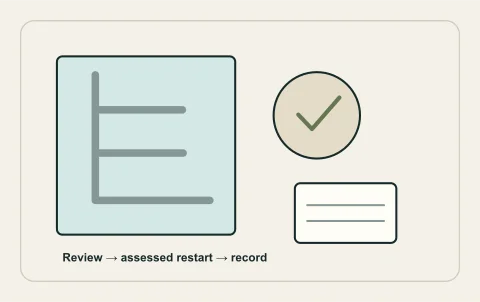
Restarting a low-use or seasonal building is a system-management task, not merely turning on a fixture. The period of reduced use, equipment condition, water-management needs and current supplier information should inform the professional plan. A household, a shared residential building and a business can require different assessment and operating decisions.
 Plan with evidence
Accessible fixture selection: use, control and maintenance
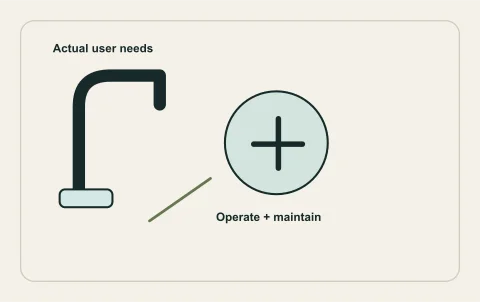
A fixture can be attractive and still difficult to use. Reach, grip, control feedback, bathing safety and future service should inform selection alongside appearance. Begin with the user’s actual activities and involve appropriate design or care expertise when needed, rather than assuming a product label establishes an accessible complete arrangement.
 Plan with evidence
Renovating existing plumbing: define what changes and remains
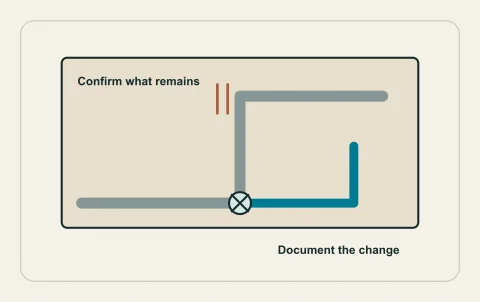
An existing building contains a history of original work and later changes. Renovation should begin with that actual system, not a belief that every concealed connection is either automatically acceptable or automatically due for replacement. Define the alteration and retained interfaces, then obtain the appropriate professional and authority review for the work proposed.
 Plan with evidence
Prepare a plumbing request a person can actually review
A useful request lets a person understand the situation and the next decision you need. It does not require a homeowner to diagnose concealed plumbing or select a technical remedy. Give safe observations, the actual property context and relevant records, then keep the desired outcome clear enough for an informed reply.
No matching articles. Try a broader symptom, room or project term.
Turn the details into a clear request.
Describe the location, symptoms or proposed work. A person reviews the brief; any referral or contractor arrangement is a separate step with your agreement.