Inventory visible systems and the supplied records
Note accessible service entry, equipment models, visible pipe markings, fixtures and safe signs of moisture or prior repair. Do not open equipment, operate unfamiliar valves or move protected finishes during a viewing. Ask for available permits, inspection records, invoices, route photographs and maintenance history through the appropriate purchase process.
Keep facts and assumptions separate. A new water heater does not mean the distribution was renewed, and a modern bathroom does not establish the sewer lateral’s condition. A seller’s description can prompt a records request but should not be converted into technical proof. The property’s actual professionals and transaction advisers should guide the assessment and implications; this portal does not replace a home inspection or legal advice.
Identify the supplier and property context
Use the actual address to confirm the water provider through the City’s lookup. Keep relevant current supplier information rather than generalizing from another district. The GEID transition can matter to how historic records are interpreted, but does not establish the condition of the private system.
Confirm municipal or regional authority and whether the property has shared or strata services. In a strata, the plan, bylaws and relevant building records can be as important as the unit’s visible fixtures. Do not assume a private-looking valve or pipe settles ownership. Identify who can authorize targeted investigation and which documents are available before a proposed test or survey is commissioned.
Ask targeted questions about supply and hot water
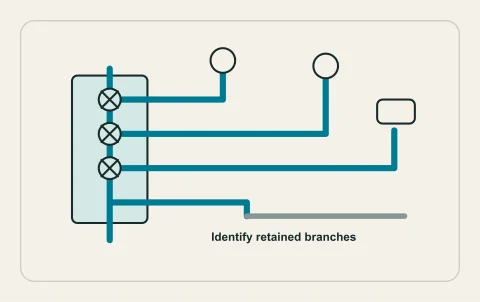
A material assessment needs readable evidence and context, not a conclusion based solely on construction date. Ask which portions were confirmed, replaced or retained. Recurring leak records can inform further investigation, while one historical repair may be local. The supply assessment guide explains useful distinctions.
For hot water, record exact equipment, service information and maintenance evidence. Ask whether the planned occupancy or use differs from the current household’s routine. Nominal tank size alone does not prove suitability. Do not perform scald-risk tests during a viewing. A professional can decide whether further assessment of source, delivery or controls is warranted and how to obtain evidence safely.
Use drainage evidence with its limitations
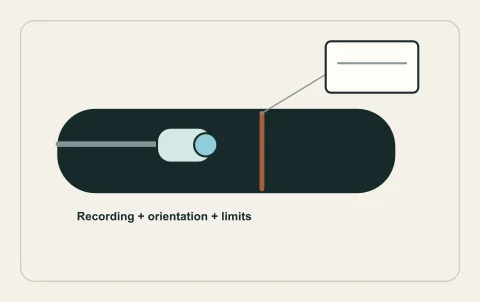
A history of clearing, backups or replacement should prompt a readable report rather than an unsupported conclusion. A camera recording can be useful if access, direction, route and limits are clear. It does not reveal every exterior condition or guarantee future life. The camera guide explains what makes the file reusable.
Distinguish local fixture symptoms, shared drainage and a buried lateral question. Do not repeatedly run fixtures to recreate an unsafe backup. A proposed survey should have authorization and a defined objective. If the property uses an on-site system or is considering a sewer connection, ask the relevant authority and specialists about the actual service arrangement. A municipal-looking street does not prove the property is connected to sewer.
Review alteration and site records without guessing
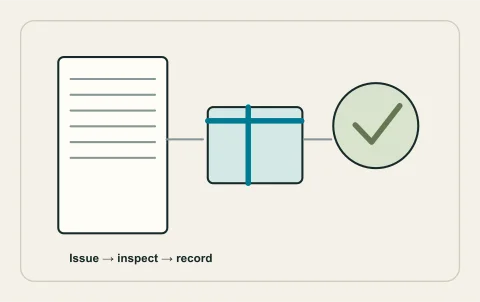
Ask for actual permit and inspection records for relevant renovations, suites and service changes. City plumbing guidance distinguishes applications from issued permits and inspection. A finished room or paid invoice does not establish that those stages are closed. Transaction advisers should interpret the implications of missing records.
For planned future work, site constraints deserve address-specific review. The City’s environmental and hazard guidance can be relevant to land disturbance. A hillside view or lakeshore setting does not itself prescribe a drainage design, but it can prompt the right questions about mapped conditions and professional assessment. Avoid unsupported area-wide claims about groundwater, pressure or pipe condition.
Turn uncertainty into a reviewable next step
Create a short evidence table with observed condition, available record, unknown boundary and proposed professional question. Prioritize by the actual consequence and the transaction’s needs rather than treating every missing document as the same risk. Keep the assessment separate from purchase negotiations and obtain the appropriate advisers’ interpretation.
A human-reviewed request can organize a non-urgent scope question with permission to use relevant documents and without unnecessary seller information. HAUSE is a reference portal, not a property inspector, appraiser or legal adviser. It does not certify a house remotely or predict repair prices from its address. Clear evidence and limitations nevertheless make an on-site professional review more focused and useful.
Questions people ask
Does a renovated bathroom prove the plumbing is renewed?
Can house age identify the pipe material?
Is a sewer video enough for a purchase decision?
Do missing permit records prove illegal work?
What is the most useful next request?
Sources and further reading
- Find your water provider ↗ · City of Kelowna. Checked 2026-10-02.
- GEID transition ↗ · City of Kelowna. Checked 2026-10-02.
- Plumbing & heating permits ↗ · City of Kelowna. Checked 2026-10-02.
- Environmental development permits ↗ · City of Kelowna. Checked 2026-10-02.
- Common property and limited common property ↗ · Province of British Columbia. Checked 2026-10-02.
Confirm the current requirements with the responsible authority for the actual address and work. This reference does not replace site assessment or an official decision.