Describe the task and the person’s priorities
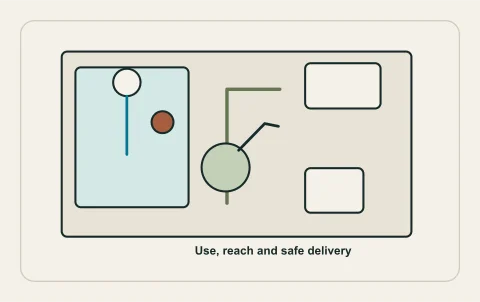
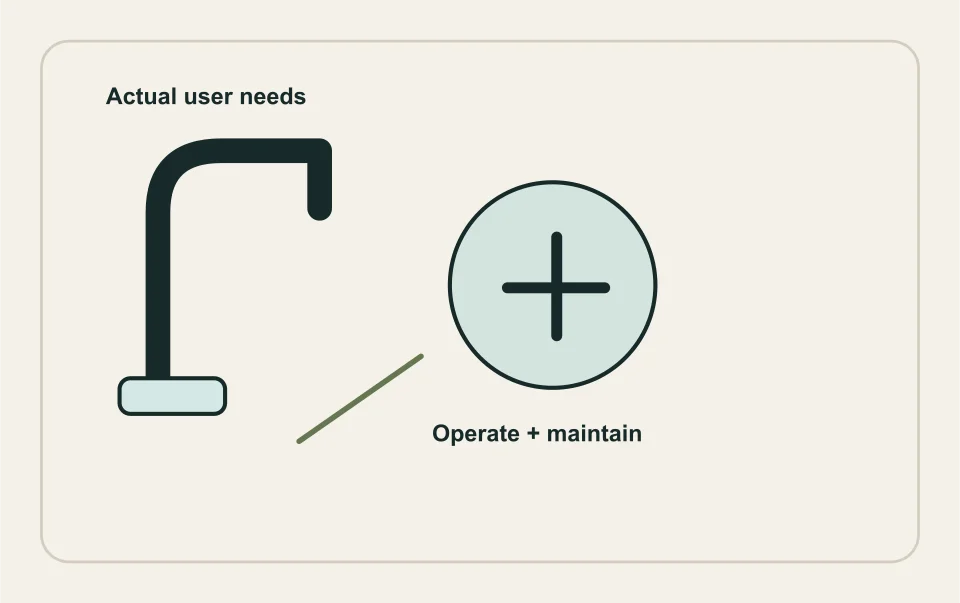
List the difficult activities: turning a tap, reaching a control, using a shower, filling a vessel, cleaning a basin or recognizing the water setting. Separate discomfort from a safety concern and include anticipated needs without making medical assumptions. The user should be part of the decision wherever possible; a showroom preference alone may miss everyday operation.
An occupational or design professional may be appropriate for specialized needs. This guide does not prescribe medical accommodation or exact accessible clearances. It helps define the questions for the relevant assessment. Keep the brief focused on practical outcomes such as reachable controls, manageable grip and an understandable setting rather than requesting a generic accessible fixture that different suppliers may interpret differently.
Evaluate the control in its actual location
A lever, push control or electronic interface has to work with the person and the installed position. Ask how normal operation will be demonstrated safely before committing to a model. Consider visibility, feedback, accidental activation and whether the control can be used without awkward movement. A product can be suitable in one room but not at a difficult reach in another.
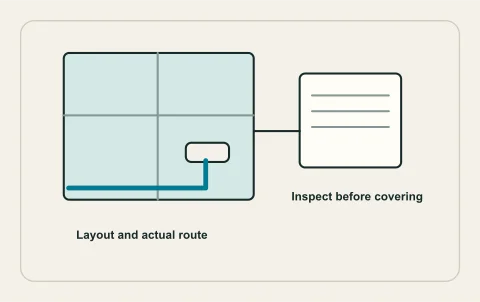
The surrounding counter, basin or bathing enclosure can affect the result. Compare exact dimensions through the appropriate on-site design rather than using a consumer illustration as a layout rule. Keep the selected model’s specifications with the plan. A later substitution that looks similar can change the control or fit, so it should be reviewed against the same user brief instead of accepted only because it costs less.
Treat temperature safety as a system interface
A fixture’s operation and hot-water delivery belong in the same discussion. Sudden temperature changes, difficult controls or unclear settings can create risk. Health Canada’s premise-plumbing guidance explains why hygiene and scald prevention need a coordinated approach. Do not bypass a protective assembly or choose an arbitrary heater setting to compensate for a difficult fixture.
Have the responsible professional assess the relevant source, distribution and delivery controls. This portal does not supply a temperature-design table or direct the user to perform scald-risk tests. Ask what normal controls the occupant may use, which settings are professional and what fault behaviour requires help. A safe demonstration and readable instructions can be as important as the shape of the handle.
Check compatibility and serviceability before purchase
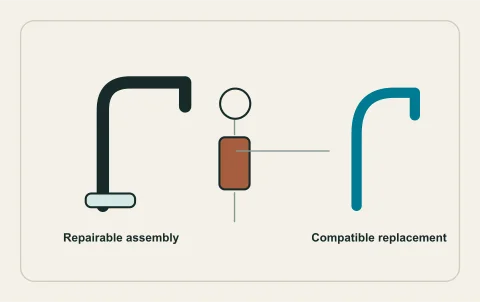
Provide the existing and proposed models to the installer. Concealed shower valves, mounting arrangements, supply connections and drain geometry can constrain the choice. An accessible-looking replacement trim is not automatically compatible with the retained assembly. Ask who verifies the fit and suitability before a non-returnable purchase.
Discuss maintenance access and supported service parts. A future repair should not require unnecessary demolition because service points were hidden behind fixed finishes. Electronic or specialized controls can have different user and service obligations; keep the exact manufacturer instructions. The fixture repair guide explains why condition, support and retained components should be considered before choosing either repair or replacement as the default.
Coordinate the project and approval boundaries
A fixture selection can be part of a simple assessed replacement or a larger room alteration. Moving services, changing use or disturbing assemblies can introduce additional scope. Confirm the actual permit and inspection requirements with the responsible professional and authority. The public product label does not settle approval.
In a strata or leased property, coordinate access and isolation through the authorized process. The Province’s common-property guidance is context for reviewing the actual documents, not a remote ownership decision. If the only usable bathroom is affected, include temporary access and the user’s daily needs. Construction convenience should not conceal an impractical occupied-use plan.
Accept the outcome with the actual user
At handover, review normal use safely with the person who relies on the fixture. Check whether the original task and control priorities were met, and record any unresolved issue. Keep exact models, user instructions, maintenance information, relevant approvals and the verified isolation record. The completed room should remain understandable when a caregiver, owner or maintenance contact changes.
A human-reviewed request can describe the task, current limitation, proposed model and installation context without sharing unnecessary health details. HAUSE is a reference portal, not an accessible-design certifier or contractor. It does not remotely approve the arrangement or promise a product outcome. A clear use brief nevertheless helps the appropriate professionals connect the fixture choice to the person’s actual needs.
Questions people ask
Does an accessible label settle the choice?
Can a new handle fit any concealed valve?
Should heater settings be changed for safer use?
What makes serviceability important to accessibility?
How should the outcome be checked?
Sources and further reading
- Residential premise plumbing pathogens and water quality ↗ · Health Canada. Checked 2026-10-02.
- Plumbing & heating permits ↗ · City of Kelowna. Checked 2026-10-02.
- Common property and limited common property ↗ · Province of British Columbia. Checked 2026-10-02.
Confirm the current requirements with the responsible authority for the actual address and work. This reference does not replace site assessment or an official decision.