Describe what the fixture actually does
Record the make or visible model marking, the location and the precise behaviour. A tap dripping while closed differs from water escaping around its base when open. A toilet refilling between uses differs from slow drainage or leakage at the floor. A shower that becomes suddenly hot when another fixture operates needs a different assessment from a worn handle.
Photographs should show the whole fixture and accessible connections without dismantling it. Note whether the symptom is present on hot water, cold water or both. If a cabinet is swollen or flooring is wet, include that damage in the scope rather than presenting the job as a cosmetic swap. Stop using a fixture if operation creates unsafe temperature changes, active escape or a drainage backup. Do not repeat a hazardous test just to capture a video.
Check whether a repair remains serviceable
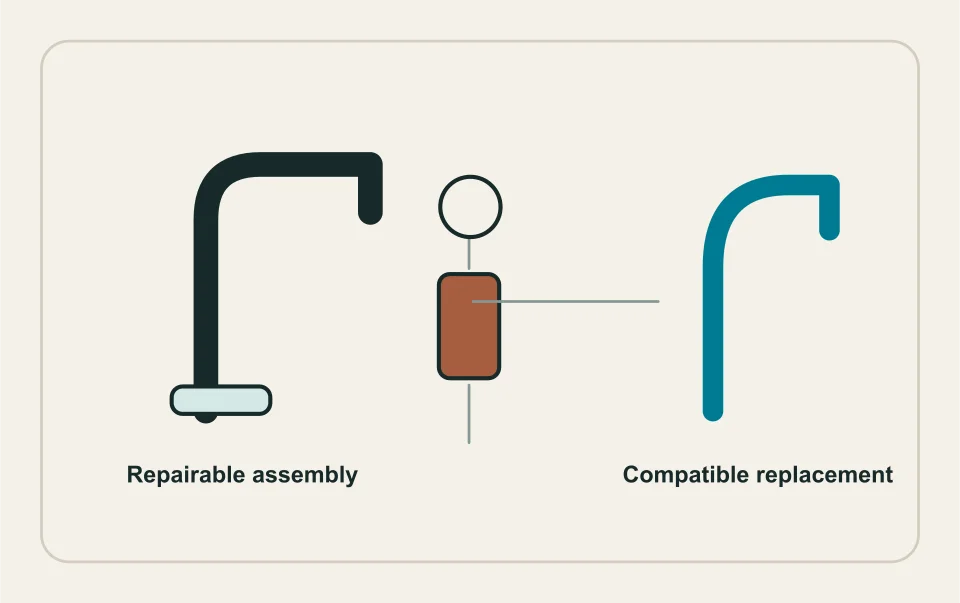
An identifiable, supported fixture may have an available replacement component. The useful questions are whether the fault is confirmed, compatible parts can be obtained, the surrounding body is sound and the repair can be tested. A low parts cost does not by itself mean the complete job is simple; seized connections, concealed assemblies or damaged finishes can control access.
Ask for repair and replacement options when both are realistic, including any diagnostic charge and the point at which further work needs authorization. Avoid accepting a universal statement that every old faucet is beyond repair or that every brand has easy parts. A professional may need the exact model and an examination before offering a fixed scope. Retaining a functioning body can reduce disruption, while replacing an unsupported assembly can improve future serviceability.
Make compatibility visible before buying
Fixture shopping often starts with appearance, but connection geometry and the existing installation matter. Record available clearances, mounting arrangement, cabinet depth, drain position and accessible supply locations. A new sink can change the trap and cabinet space; a toilet can have a different fit; a shower trim may not suit the concealed valve. Ask the installer to confirm compatibility before a purchase becomes difficult to return.
Separate owner-supplied equipment from contractor-supplied equipment in the agreement. Clarify who checks certification, missing pieces, transit damage and warranty administration. A fixture can be suitable as a product yet unsuitable for the room or user’s needs. Do not assume that a photograph or a retailer’s general label settles local installation requirements. Keep the exact model and specification sheet with the project documents so substitutions are deliberate.
Treat temperature and water quality as system questions
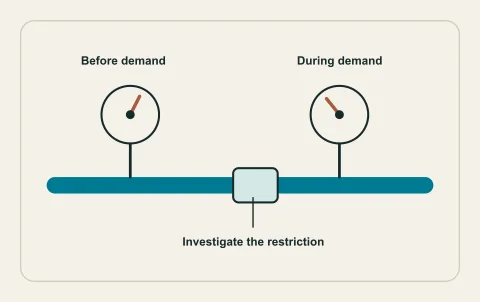
A more attractive showerhead will not necessarily correct a failing mixing valve or an unstable hot-water system. Changes to delivery temperature involve scald risk as well as comfort. Health Canada’s premise-plumbing guidance explains why hot-water hygiene and scald prevention must be considered together. Do not adjust equipment to an arbitrary internet temperature or bypass a protective device.
If taste, sediment or colour is the complaint, compare which fixtures are affected and contact the water supplier where appropriate. A faucet replacement cannot establish drinking-water safety. A fixture-mounted filter also has a specific purpose and maintenance obligation. Describe the concern first so the recommendation addresses the contaminant or operational problem rather than merely adding equipment to the cabinet.
Include valves, drainage and finishes in the proposal
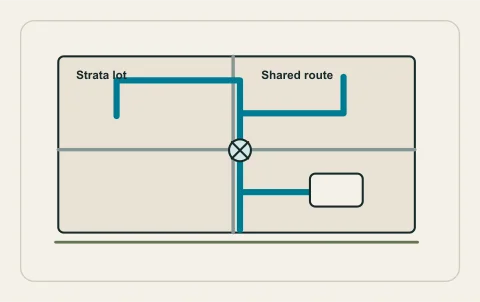
A replacement quote should identify the existing connections to be retained, items to be renewed, testing, removal and disposal. Ask how isolation will work if the local valve is missing or does not operate. In a shared building, an apparently small fixture job can require an approved shutdown and access notice. Clarify the boundary before scheduling, not after a resident loses water.
Include damaged cabinet panels, sealants and disturbed wall finishes if they are part of the requested outcome. A fixture installed successfully can still leave an incomplete room when restoration was excluded. The City permit page is the official starting point for determining whether the actual alteration needs a permit. Do not treat the informal phrase “like for like” as an automatic exemption.
Use handover to prevent another avoidable visit
Ask for the exact installed model, manufacturer care information, service part identifiers and any warranty documents. Have the installer demonstrate normal operation and safe user controls without turning handover into a DIY repair lesson. Confirm that supply and drainage were tested under the relevant operating conditions and that any inspection requirement has been completed.
Keep access clear after the work. Filling a cabinet around service connections or sealing a removable access panel can make the next repair unnecessarily disruptive. If the fixture has electronic controls, discuss normal user maintenance and the response to a fault with the appropriate professional. A human-reviewed request is most useful when it names the fixture, includes an accessible photograph and explains whether the priority is repairing a symptom, improving usability or completing a renovation.
Questions people ask
Should I purchase a replacement before someone inspects the fixture?
Is a running toilet always a replacement job?
Will a low-flow fixture solve low pressure?
Can a new shower valve solve scalding?
What if the work is in a condo?
Sources and further reading
- Plumbing & heating permits ↗ · City of Kelowna. Checked 2026-10-02.
- Residential premise plumbing pathogens and water quality ↗ · Health Canada. Checked 2026-10-02.
- Common property and limited common property ↗ · Province of British Columbia. Checked 2026-10-02.
Confirm the current requirements with the responsible authority for the actual address and work. This reference does not replace site assessment or an official decision.