Read the property records before assigning the job
Gather the strata plan, relevant bylaws, alteration approvals and available service drawings. The Province’s common-property guidance explains that pipes and related services may be common property. The actual arrangement requires review; a consumer guide cannot decide the legal status of an unseen pipe.
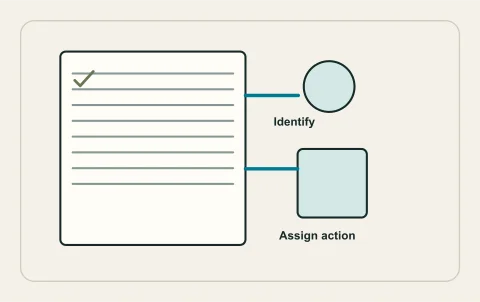
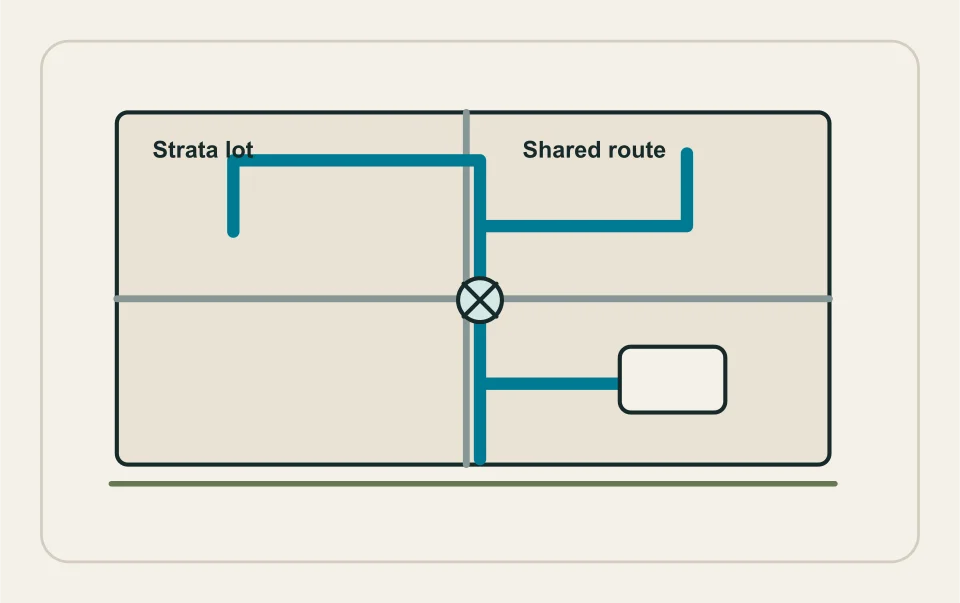
Identify whether the proposal affects a visible fixture, a private branch, a shared riser or another common component. Do not let a contractor’s shorthand description replace the plan and manager’s authorization process. If responsibility is disputed, obtain the appropriate professional or legal advice while keeping immediate safety and damage response active. Recording a boundary as uncertain is better than making an unsupported ownership claim that delays the correct response.
Keep urgent response separate from final responsibility
An active leak or sewage backup needs prompt safe handling even while ownership or payment is being clarified. Residents should use the established building emergency contact and avoid operating unfamiliar common valves. Water near electrical equipment, unstable ceilings or contamination can make access unsafe. A portal request is not a substitute for the building’s direct response process.
Record the affected area, time, visible symptoms and whom you contacted. Photograph safely without entering hazardous conditions. Avoid making admissions or legal conclusions in a technical fault report; describe observations. The source of a leak, the duty to repair the component and insurance coverage for resulting damage are not automatically the same determination. Keep each question documented so immediate work does not obscure what remains to be resolved.
Verify isolation and access before a planned alteration
Ask the manager or responsible professional to identify which valves isolate the proposed work and which residents or equipment are affected. A valve inside one unit can serve a wider area; a missing or unreliable local valve can change a fixture job into a shared shutdown. Do not discover those boundaries by trial operation.
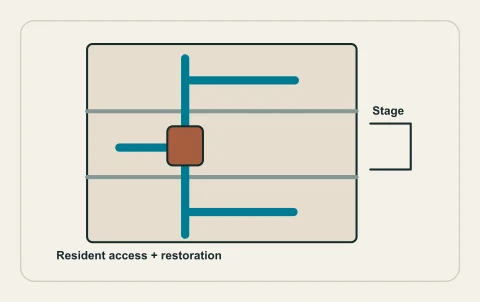
Coordinate notice, access authorization and any building-specific requirements before booking the contractor. The Province’s repair-duty guidance discusses maintenance and access responsibilities, but the specific property records still matter. Confirm who opens and restores common finishes and who accepts the completed work. Those decisions belong in the alteration approval and scope rather than being negotiated after water is off.
Avoid solving one unit while disturbing the system
A changed fixture, supply connection or hot-water control can interact with retained shared equipment. Have the professional assess compatibility with the building system. A resident’s pressure complaint may involve a local component, a shared control or distribution conditions; adding a private device without understanding the interface can leave the problem unresolved.
Protective assemblies must remain suitable for their hazard. Kelowna’s cross-connection guidance is relevant where equipment or treatment changes drinking-water protection. Do not bypass a shared protective device to improve one fixture. Keep the scope clear about retained building components and any additional specialist review, especially when the work crosses mechanical, structural or fire-separation boundaries.
Coordinate approvals and restoration as one plan
Property approval does not replace regulatory approval. Confirm the actual plumbing permit and inspection with the responsible professional and City guidance. Work that needs inspection must remain available for the relevant stage before enclosure. Keep the strata’s acceptance requirements distinct from a municipal inspection record.
Define restoration to both the unit and any common area, including temporary protection, access openings, finish standards and documentation. If multiple parties supply trades, identify the person coordinating interfaces. A unit-owner quote can look inexpensive because common restoration or shutdown arrangements were excluded. Align those boundaries before comparing totals and state how concealed-condition changes receive approval.
Maintain a shared record, not a private memory
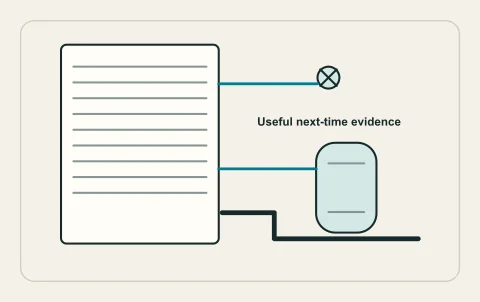
Give the approved building contact final routes, photographs before enclosure, exact equipment, verified isolation and test/inspection records. The owner should retain their own relevant documents as well. Make retained portions and outstanding issues visible. A future resident or maintenance contractor should not need the original owner to explain what was changed.
For a human-reviewed request, include the property type, manager’s process, known plan information, proposed alteration and unresolved technical question. Do not submit other residents’ personal information unnecessarily. HAUSE can organize a scope conversation but does not determine strata liability, approve common-property work or replace the corporation’s authorized decision process. Clear records make that process more informed and practical.
Questions people ask
Does a pipe inside my unit belong to me?
Should a leak wait for a payment decision?
Can my plumber shut off a common valve?
Does strata approval mean the permit is complete?
What should be handed to the manager?
Sources and further reading
- Common property and limited common property ↗ · Province of British Columbia. Checked 2026-10-02.
- Division of repair duties in a strata ↗ · Province of British Columbia. Checked 2026-10-02.
- Plumbing & heating permits ↗ · City of Kelowna. Checked 2026-10-02.
- Cross connection control ↗ · City of Kelowna. Checked 2026-10-02.
Confirm the current requirements with the responsible authority for the actual address and work. This reference does not replace site assessment or an official decision.