Choose the right route for urgency
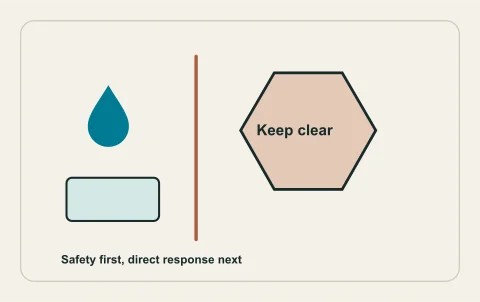
If water is escaping, sewage is present or the area may be electrically unsafe, use the appropriate direct professional, building or emergency response. Do not wait for a portal review or enter a hazardous space to prepare the request. The safe response guide explains the boundary without providing cleanup or installation procedures.
HAUSE is a reference and human-reviewed request portal, not a plumbing contractor or emergency dispatcher. A submitted request does not book attendance or guarantee a response time. Use it for organized project planning and non-urgent follow-up after the immediate condition is under the appropriate care. Keep your building’s direct response process available rather than making a web form the dependency for an urgent incident.
Describe the symptom before proposing a solution
State what you observed, where, when and under which ordinary-use conditions. A wet mark, weak tap, recurring drain symptom or hot-water complaint is more useful than an unsupported diagnosis. Note whether it affects one fixture or several and include relevant earlier repairs. Do not recreate a dangerous event for a video.
If a professional has already assessed the condition, include their dated report and stated limits. Distinguish confirmed findings from recommendations and unresolved questions. Explain what decision you need: investigation, comparison of repair options, a renovation scope or help understanding a proposal. That gives the reviewer a practical objective without asking them to certify every concealed system remotely.
Provide property and service context accurately
Give the actual project address context, property type and municipality or authority if known. Include the water provider when relevant, using the City’s address lookup rather than a neighbourhood assumption. A postal city is not a complete jurisdiction decision.
State whether the work concerns an owner-occupied home, rental, strata, business or shared building. Identify who may authorize access and changes without submitting unnecessary personal data about others. In a shared property, the manager’s process and known isolation can affect even a small fixture job. If ownership or authority remains uncertain, say so rather than guessing. A clear unknown is useful planning information; a false certainty can send the request down the wrong route.
Attach relevant evidence with safe boundaries
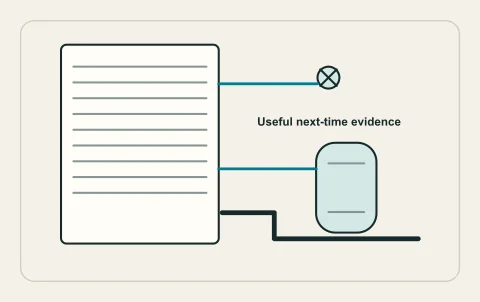
Useful records include accessible model labels, context photographs, accepted scope, inspection records, route sketches and camera reports. Include location and orientation with images. Avoid entry codes, account credentials, tenant documents, unrelated invoices and sensitive information not needed for the question. Do not open equipment or access a contaminated area to obtain a better attachment.
A sketch should mark known features and uncertainty, not invent a precise buried route. An existing quote should show the relevant scope and exclusions, with private details removed where possible. The handover guide explains which documents remain useful after work. Evidence supports a review; it does not turn a photograph or model number into a remote condition certificate.
State the practical constraints and consent
Describe access limits, occupied-use needs, planned fixture models and timing objectives. Make the objective realistic: planning and research, a future renovation or a confirmed project date are different contexts. Avoid demanding a guaranteed price for undefined concealed work. The reviewer may need to clarify the scope before any professional proposal can be concrete.
Provide a contact route you are comfortable using and read the form’s actual consent choices. Request review is distinct from permission to pass your details to another business. A person should explain any proposed handoff and obtain the applicable permission; the portal does not promise automatic contractor booking. Keep expectations clear so the next step is informed rather than a surprise outreach or an assumption that submission authorizes work.
Use the reply to refine a reviewable next step
Keep the resulting questions, source links and clarified scope with your records. If an authority decision is needed, use the official channel; HAUSE does not issue permits or water-service approvals. The City’s plumbing guidance remains the starting point for that actual scope.
If a contractor proposal follows through an authorized process, compare diagnosis, access, permits, testing, restoration and exclusions using the quote checklist. The tool organizes your information; it does not invent a market price or endorse a provider. When ready, send the request for a person to review. Clear evidence, limits and consent make that conversation useful without promising an outcome the portal cannot establish.
Questions people ask
Do I need to know the technical cause?
Will submission book a plumber?
Which photographs help?
Can the reviewer issue a permit?
What is a good requested outcome?
Sources and further reading
- Find your water provider ↗ · City of Kelowna. Checked 2026-10-02.
- Plumbing & heating permits ↗ · City of Kelowna. Checked 2026-10-02.
- Permit inspections & area map ↗ · City of Kelowna. Checked 2026-10-02.
Confirm the current requirements with the responsible authority for the actual address and work. This reference does not replace site assessment or an official decision.