Establish what is known and what needs investigation
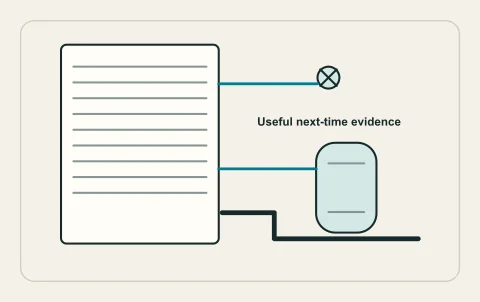
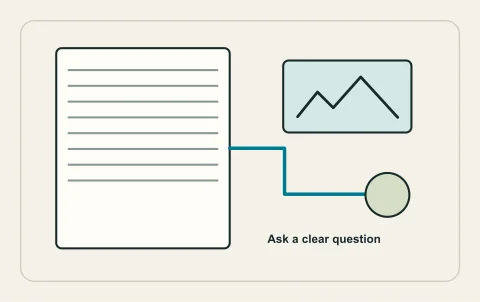
Give each bidder the same symptom, evidence and relevant history. State whether the cause is confirmed or still suspected. A leaking visible connection can be a different estimating situation from moisture behind a finished wall. Ask which investigation is included and what report or finding you will receive before authorizing repair.
Keep a preliminary allowance distinct from a fixed proposal based on verified conditions. Neither is inherently wrong, but they answer different questions. If a price depends on access or equipment identification, make that condition explicit. A short estimate that sounds certain may simply exclude the unknown work. The leak-investigation guide explains how safe observations and a targeted question can improve the first assessment.
Separate the visit from the permanent outcome
Ask what the initial visit covers: attendance, diagnosis, a limited repair, parts, a written report or a follow-up proposal. Clarify any authorization limit and how additional work is approved. A contractor can legitimately offer a diagnostic visit before a repair quote, but the owner should understand the deliverable rather than assume payment guarantees a complete fix.
For a confirmed repair, identify the exact component or boundary, retained portions and verification. If a temporary measure is proposed, record its limitation and the permanent follow-up. Do not compare a temporary containment price with a fully restored repair as though the outcomes are equivalent. A proposal should make the distinction readable without requiring the homeowner to know trade terminology.
Align access, isolation and approvals
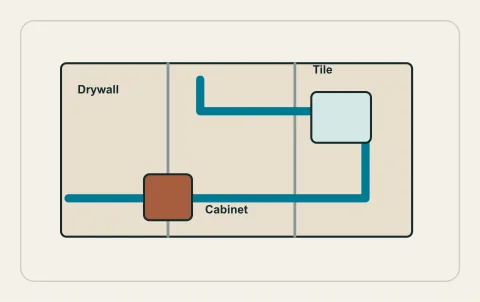
The repair may require cabinets emptied, finishes opened, equipment moved or a building-wide shutdown. Identify who performs and pays for each task. A private fixture job can become a shared-service project if local isolation is unreliable. In a strata, use the approved manager process and actual property records rather than assuming the unit owner can authorize every connected alteration. The Province’s common-property guidance explains why the visible fixture and connected services can have different boundaries.
Confirm the applicable permit and inspection with the City and responsible professional. Application, issue and inspection are separate stages. If required inspection precedes enclosure, the restoration schedule must respect that. A low total excluding permit coordination or access can be difficult to compare with a complete proposal that includes them.
Define testing and restoration as acceptance items
Ask how the professional will verify the agreed repair under relevant operating conditions. A pipe no longer dripping at rest may not answer every original complaint. Verification should match the defect and system without making a universal guarantee. Keep any required inspection record separate from the contractor’s own test or commissioning information.
Restoration deserves its own boundary: patching, painting, tile, cabinet work, cleaning and disposal can involve different parties and finish outcomes. Drying or contaminated-material handling after damage may be separate specialist work. An installed repair does not automatically mean the room is complete. Describe the expected outcome before work starts so acceptance does not depend on a later disagreement about what the word repair was intended to include.
Manage allowances, exclusions and variations
Read exclusions alongside the total. Ask what happens if concealed conditions differ, parts are unavailable or a retained connection proves unsuitable. The variation process should show evidence, revised scope and authorization before non-urgent additional work proceeds. Keep the responsible decision-maker identified, particularly in a business or shared building.
The quote checklist lets you enter a proposal amount and review whether scope, permits, access, restoration, testing and exclusions are clear. It does not calculate a fair market rate or rank contractors. Use actual written proposals rather than made-up hourly figures or citywide ranges. An unresolved allowance can be acceptable if its purpose and approval route are understood; it becomes a problem when it conceals a material part of the intended outcome.
Compare the complete decision and preserve the record
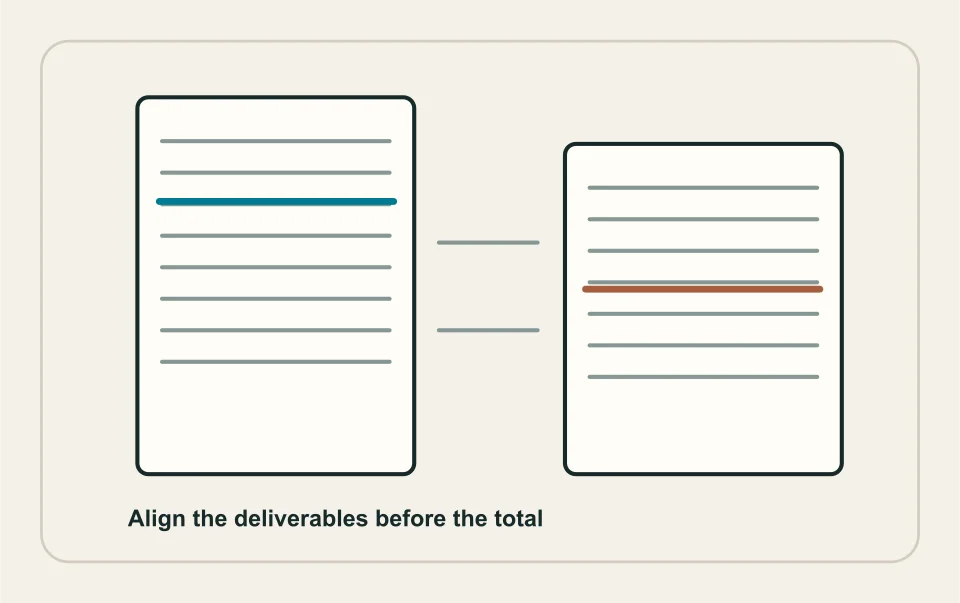
Prepare a short side-by-side scope summary and ask bidders to clarify unmatched items. Keep the exact models or material systems where relevant, schedule assumptions, payment terms and warranty documents. Do not infer workmanship quality from price alone or invent reviews and vetting claims. The owner should evaluate the actual proposal and independently confirm the provider’s qualifications for the relevant work.
At completion, retain the confirmed finding, repair boundary, photographs, tests, approvals and restoration status. A human-reviewed request can organize a non-urgent scope question with the proposal excerpts and evidence. HAUSE is a reference portal, not the bidding contractor. It does not issue a binding price, certify a bidder or guarantee that the lowest total is the best outcome.
Questions people ask
Is a diagnostic charge the same as a repair price?
Can an online average establish my budget?
Are exclusions a warning sign by themselves?
How should additional work be approved?
What does the quote tool decide?
Sources and further reading
- Plumbing & heating permits ↗ · City of Kelowna. Checked 2026-10-02.
- Permit inspections & area map ↗ · City of Kelowna. Checked 2026-10-02.
- Common property and limited common property ↗ · Province of British Columbia. Checked 2026-10-02.
Confirm the current requirements with the responsible authority for the actual address and work. This reference does not replace site assessment or an official decision.