Recognise the immediate boundary
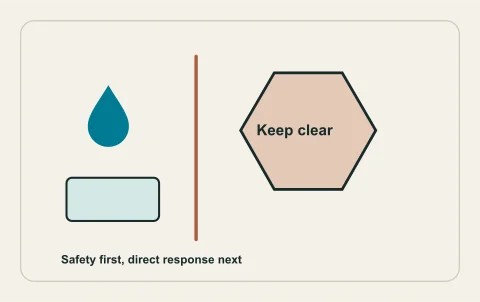
Keep people out of a wet area if water may have reached electrical equipment, ceilings are sagging, or the floor is unsafe. Do not touch equipment or enter standing water to reach a valve. A person who already knows an accessible domestic shutoff can use it only when the approach is safe; an unfamiliar shared-building valve needs the building manager. A plumbing request form is not emergency dispatch.
Distinguish ongoing escape from a historical stain. Record when it was first noticed, whether the area is still getting wetter, and which fixtures or appliances were operating. If sewage may be present, stop using the affected drainage and keep away from contamination. The City utilities directory is the route for a suspected public-utility issue; private damage still needs direct professional assessment.
Build a useful evidence trail
Photograph the surrounding room as well as the close-up stain. Include the nearest fixture, visible pipe route, ceiling below, and any accessible equipment label. A close-up without location can force an investigator to repeat the entire orientation. Note whether the symptom follows hot-water use, rain, irrigation, a dishwasher cycle or a period when nobody is using water. Correlation is a clue, not proof.
Where a meter or billing portal is accessible, record a dated reading and whether normal household demand was occurring. Do not open sealed utility equipment or operate a street-side curb stop. A moving meter can indicate use somewhere on the property; it does not identify a buried pipe or prove a leak in isolation. Irrigation, toilets and automatic equipment can also consume water. Give the investigator the observations rather than a diagnosis.
Choose an investigation that answers a question
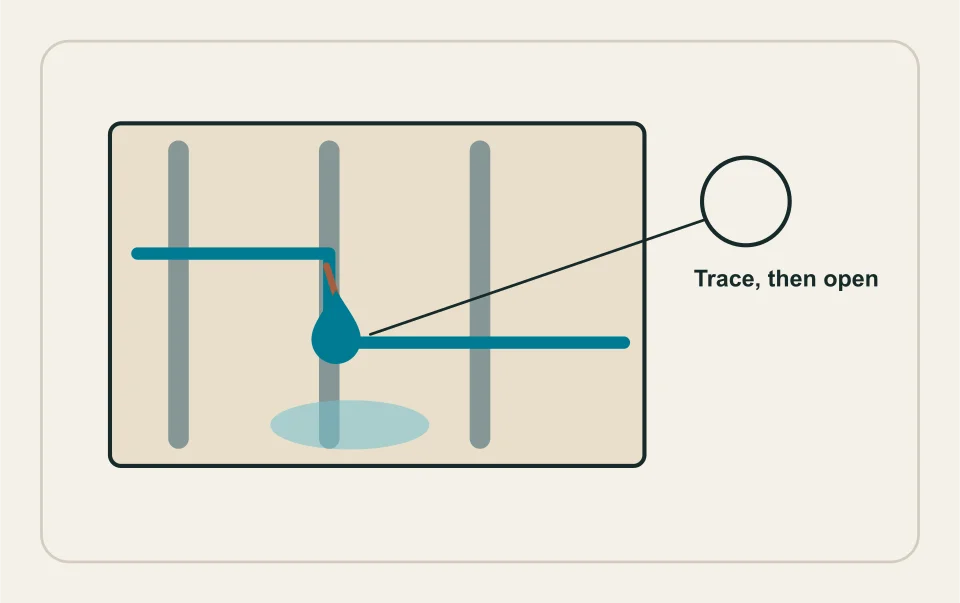
Ask what each proposed test is intended to distinguish. Moisture mapping can show affected material, while a selective access opening may reveal the pipe or fixture connection. Acoustic or thermal observations can be useful under suitable conditions but should not be sold as a universal guarantee. An investigation should state the likely next decision if its findings are inconclusive.
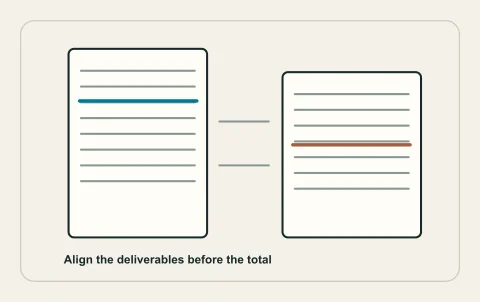
A good written report separates observed facts from suspected causes: visible water, measured moisture, a tested connection, an inaccessible route and a recommended opening are different evidence levels. Ask whether the quoted visit includes detection, a repair, drying advice or only an assessment. These are separate deliverables. A small opening in the correct place can be more useful than a large speculative demolition, but access constraints and safety may change the plan.
Define repair and restoration separately
The pipe repair is only part of the job. Identify which wall, cabinet, flooring or ceiling must be opened; whether contents need moving; and who will reinstate each finish. Ask how the replacement connects to the remaining system and whether any neighbouring deteriorated material changes the scope. A temporary containment measure should have a clear limitation and a permanent follow-up plan.
Document isolation, testing and inspection before work is covered. The City’s plumbing-permit guidance distinguishes an application from an issued permit and requires inspection coordination. Ask the responsible professional which permit and inspection apply to this repair rather than assuming every opening is exempt. Drying, contaminated-material handling and insurance documentation can involve separate specialists; include the handoff so a repaired pipe is not mistaken for a fully restored room.
Decide whether the symptom is isolated or systemic
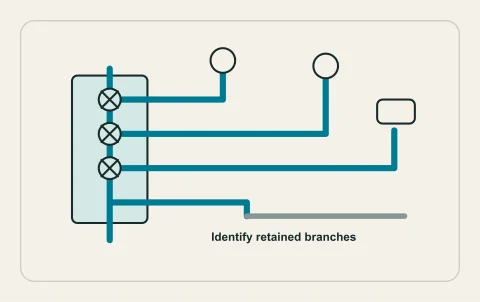
One failed connection does not automatically justify a whole-house repipe. Conversely, repeatedly repairing nearby joints without understanding a wider condition can leave the owner with escalating access costs. Compare the history: recurring leaks, different locations, confirmed pipe markings, previous changes and the accessibility of the remaining distribution. The decision should rest on evidence of the actual system, not the age of the neighbourhood.
If renewal is proposed, request a pipe-route sketch, identified replacement boundaries and a rationale for keeping or replacing each portion. Ask which uncertainty remains behind finishes. An investigation report can be valuable even when no immediate replacement is needed because it gives the next professional a defensible starting point. The supply-pipe assessment guide explains how to build that broader scope without treating an unconfirmed material guess as a conclusion.
Handover a record that helps next time
Keep before-and-after photographs, the confirmed failure location, replacement material identification, invoice scope and any inspection record together. Label accessible valves with their actual service area after the contractor confirms it. A valve marked merely “water” is less helpful than a verified description of what it isolates. In a strata or rental building, give the approved contact the information needed to respond to a future event.
Watch the repaired area according to the professional’s follow-up instructions and distinguish residual drying from fresh moisture. If symptoms recur, report the time and operating conditions promptly. For a non-urgent review, send a request with the address context, evidence and desired next decision. A person reviews the request; it does not itself book a contractor, guarantee a response time or authorize sharing your details with another business.
Questions people ask
Does a stain directly below a bathroom prove the bathroom leaked?
Can I use the street shutoff?
Should I buy a whole-house leak sensor first?
Does a normal water bill rule out a leak?
What should I include in a request?
Sources and further reading
- Plumbing & heating permits ↗ · City of Kelowna. Checked 2026-10-02.
- Utilities directory ↗ · City of Kelowna. Checked 2026-10-02.
- Water Regulation Bylaw ↗ · City of Kelowna. Checked 2026-10-02.
Confirm the current requirements with the responsible authority for the actual address and work. This reference does not replace site assessment or an official decision.