Identify the notice, assembly and responsible person
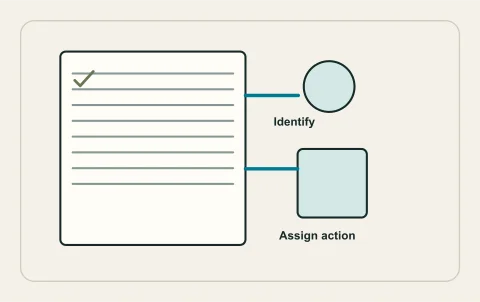
Keep the received notice and confirm the property, assembly identification, report destination and requested action. The notice may concern a new installation, an existing assembly due for testing or a corrective issue. Do not respond to every notice as though it were merely a routine appointment. Ask the issuing office to clarify any uncertain identification.
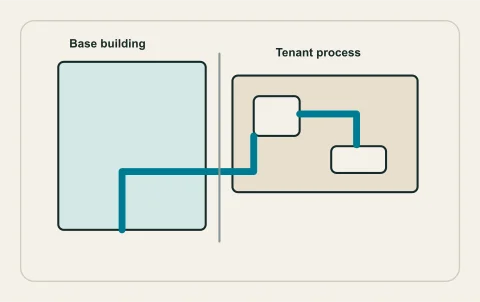
Kelowna’s cross-connection page explains the programme and its relationship with water providers. Establish the actual owner, manager or tenant responsibility using the property and lease records. A manager can coordinate the work, but the record should show who accepts follow-up and keeps the reports. Do not presume that responsibility follows the room where the assembly is visible.
Understand protection as a hazard-specific decision
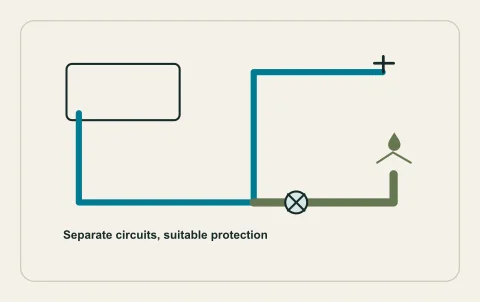
A cross connection can permit contamination to move toward the drinking-water system under unsuitable pressure conditions. The protection needs to match the actual use and applicable requirements. Appliances, process equipment, irrigation and alternate sources can create different questions. A generic device purchased online is not automatically the appropriate remedy.
Ask the responsible professional and authority to resolve the required protection and installation. This portal does not choose an assembly class, provide an air-gap dimension or instruct testing. Do not bypass an assembly to improve flow or reconnect an alternate source informally. If equipment use changes, notify the relevant professional or programme contact rather than assuming the original protection remains suitable indefinitely.
Arrange qualified testing and practical access
Use a qualified tester appropriate to the programme requirements. Provide the notice, assembly record, safe location information and access arrangements. Ask whether the work may affect water service and how any shutdown is coordinated with occupants or business operations. An inaccessible assembly can delay testing and corrective work.
Keep the service space clear and do not operate test points or valves yourself. The tester’s procedure and instruments are not a consumer maintenance task. If the assembly belongs to shared property, use the authorized building process. A quote should distinguish testing from any repairs, replacement or inspection coordination. Agree on how a failed result or unsuitable access is reported and who may authorize additional work before the appointment.
Track the result and corrective action honestly
A test visit does not guarantee a passing result. Obtain the readable report identifying the assembly, date, result and any required corrective action. If the equipment fails or the installation needs further assessment, record that state separately from the appointment being completed. Ask the tester to explain the next authorized step without treating a failed assembly as acceptable until a convenient later date.
Repairs and replacement can involve their own installation and approval requirements. Confirm the relevant plumbing permit and authority process for the actual alteration. Keep subsequent tests and correspondence linked to the original assembly record. A maintenance system should show open corrective items clearly instead of reducing every visit to a green completed-service label.
Verify reporting, not just possession of a PDF
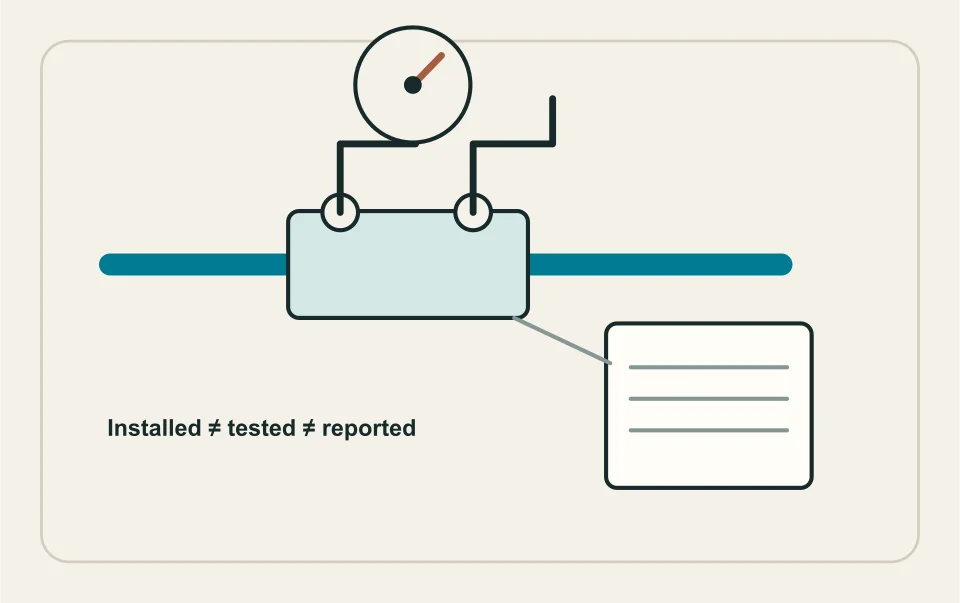
Ask who submits the report, where it goes and what confirms receipt or acceptance under the applicable process. Keep the owner’s copy as well. An invoice saying tested and a PDF stored locally do not prove that the provider has the required information. Separate installation complete, test performed, passing result, submitted report and any acknowledgement.
Use the actual notice and current official programme instructions rather than a universal assumed reporting deadline from this guide. Record relevant identifiers so the next manager or tester can match the asset without confusion. If the submission is rejected or the property record is incorrect, track the correction. Reporting is an operational obligation with its own evidence; it should not disappear inside an installer’s final invoice.
Maintain a continuing protection record
Store the current assembly register, notices, tests, corrective history, model information and service contacts. Keep new equipment or process changes visible so the hazard assessment can be revisited when needed. Link the asset to the property’s confirmed water provider and authorized management record.
For a human-reviewed request, provide the notice type, assembly information, prior result and unresolved task without unnecessary occupant data. HAUSE can help organize the question but is not a tester or programme authority. It does not certify a device from a photograph, promise a passing test or treat an installation record as proof that all continuing testing and reporting requirements have been satisfied.
Questions people ask
Does installation mean the test requirement is closed?
Can a device be selected from a picture?
What happens if it fails?
Who submits the report?
What changes require another conversation?
Sources and further reading
- Cross connection control ↗ · City of Kelowna. Checked 2026-10-02.
- Plumbing & heating permits ↗ · City of Kelowna. Checked 2026-10-02.
- Find your water provider ↗ · City of Kelowna. Checked 2026-10-02.
- Water Regulation Bylaw ↗ · City of Kelowna. Checked 2026-10-02.
Confirm the current requirements with the responsible authority for the actual address and work. This reference does not replace site assessment or an official decision.