Confirm the system, problem and replacement boundary
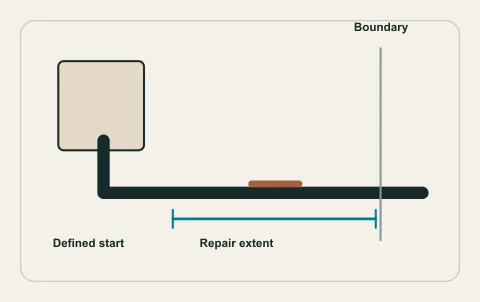
Distinguish potable water, sanitary drainage and stormwater before comparing methods. Gather confirmed fault evidence, route information, relevant recordings and previous repair records. A wet area does not automatically locate a service leak, and one camera frame does not establish the entire lateral’s condition. State what is known and what investigation remains.
Ask each bidder to show the intended start, end and retained interfaces. A local repair and a complete route renewal should not share an undefined replacement label. The private-water-service guide and sewer-renewal guide explain their different questions. A defensible scope starts with the actual system, not a quotation borrowed from another property or utility type.
Translate the route into access constraints
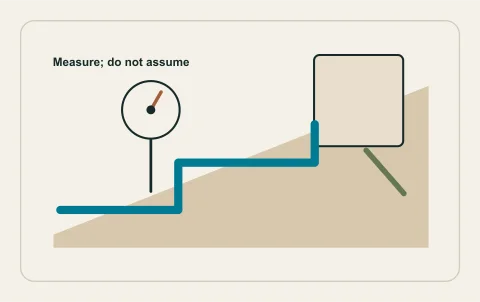
Identify buildings, driveway, landscaping, retaining walls, shared land and other services near the proposed work. Available plans and locating can help but have limits. Ask how the professional will verify the intended opening and manage uncertainty. This guide gives no excavation depth, trench-entry or DIY utility-locating instructions.
Clarify property access, easements and public-land interfaces through the relevant authority and property records. A contractor’s route sketch cannot grant permission to disturb someone else’s land. Keep site conditions visible: a narrow access path, established landscape or building crossing can change the method and restoration even when two routes appear similar in length. The proposal should explain those constraints rather than hiding them in an unexplained contingency amount.
Evaluate method claims against the evidence
A trenchless option can reduce some surface disturbance but still need access openings and connection work. Open replacement can offer a different ability to address the route while disturbing more surface. A local repair can suit an isolated assessed condition but leave other portions unchanged. Ask why the candidate method fits the actual pipe and site.
Do not treat a marketed lifespan or minimal-dig phrase as the full acceptance basis. Identify host condition, connections, method limitations and verification. If a different route is proposed, assess its approvals and property implications rather than comparing only construction price. The owner should understand what each option remedies and what it deliberately retains. Method selection belongs with the appropriate professional evidence, not a consumer calculator.
Include utility, permit and site-review interfaces
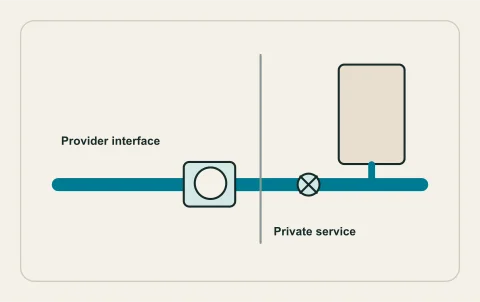
Ask the confirmed supplier or municipality about the actual connection, service interruption and public infrastructure process. Regulatory and property permissions are distinct. Start plumbing questions at the City’s permit guidance, and keep relevant inspection stages before concealment in the sequence.
The City’s environmental and hazardous-area development guidance can matter where land disturbance affects regulated conditions. A shoreline, hillside or mapped hazard should prompt address-specific review, not a universal claim that every excavation needs the same report. Define which qualified professional or authority resolves each interface and whether coordination is included in the quotation.
Describe final restoration surface by surface
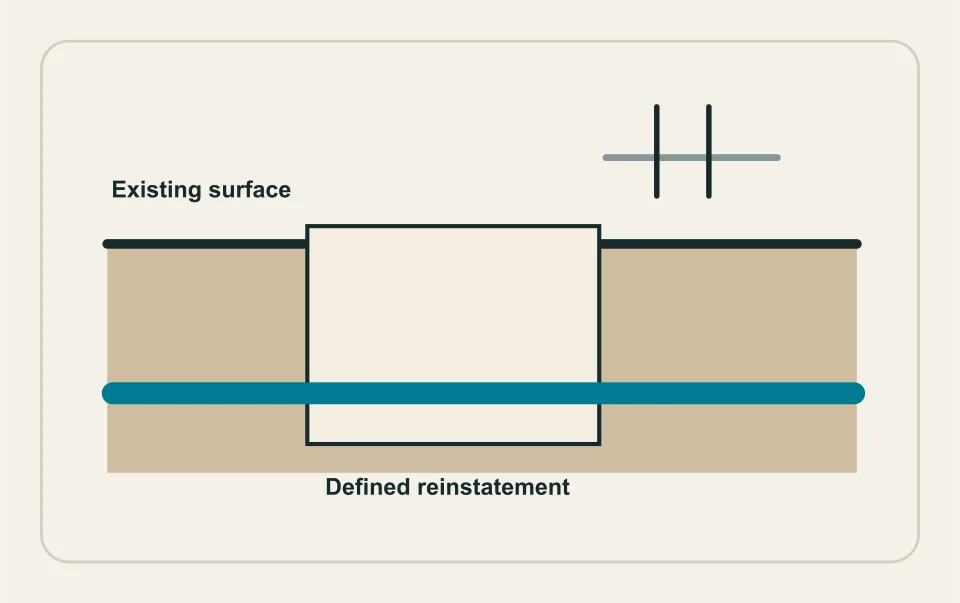
List each disturbed surface and the agreed outcome: temporary safe reinstatement, final driveway, landscape, interior finish or another item. Backfill alone may not mean the property looks or functions as it did. Ask who supplies final restoration, how access damage is recorded and how pre-existing condition is distinguished.
Occupied use also belongs in the proposal. Describe affected water or drainage service, resident communication, safe boundaries and contingency. Sewage and contaminated material need appropriate professional handling; the owner should not be given improvised cleanup or diversion tasks. A lower pipe-work amount can omit a substantial portion of the finished outcome. Compare aligned boundaries before interpreting the total as a saving.
Keep variations and completion evidence reviewable
Agree on the evidence and authorization process for concealed conditions, route changes and additional restoration. A useful variation identifies what was found and how the accepted outcome changes. Keep approvals, tests, final routes, material identification and photographs before enclosure. Record retained portions and outstanding finish work explicitly.
The quote checklist can review scope clarity beside a user-entered amount, but it does not calculate an excavation price or determine method suitability. A human-reviewed request can include the route evidence, site photographs and competing boundaries. HAUSE is a reference portal; it does not authorize land disturbance, certify a buried route remotely or provide an unsupported Kelowna price range for an undefined project.
Questions people ask
Can cost be estimated from length alone?
Does trenchless mean no digging?
Does a contractor drawing grant land permission?
What counts as restored?
What is useful at handover?
Who accepts the landscape or driveway finish?
Sources and further reading
- Plumbing & heating permits ↗ · City of Kelowna. Checked 2026-10-02.
- Permit inspections & area map ↗ · City of Kelowna. Checked 2026-10-02.
- Environmental development permits ↗ · City of Kelowna. Checked 2026-10-02.
- Wastewater ↗ · City of Kelowna. Checked 2026-10-02.
- Water Regulation Bylaw ↗ · City of Kelowna. Checked 2026-10-02.
Confirm the current requirements with the responsible authority for the actual address and work. This reference does not replace site assessment or an official decision.