Establish the defect and the intended boundary
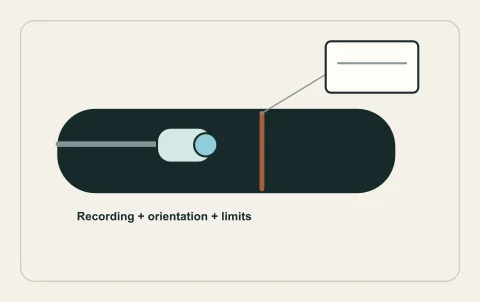
Gather camera recordings, recurring symptom history, known access points and previous repair information. Ask which findings support the recommendation and which portions remain uncertain. A blockage cleared once is not automatically evidence of structural failure, while repeated temporary clearing can leave a confirmed defect unresolved.
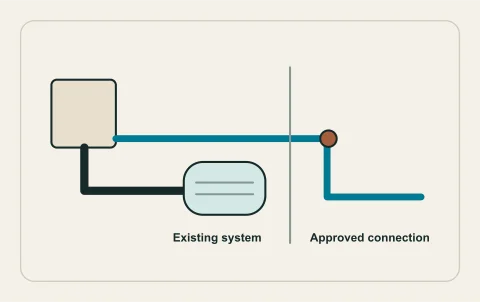
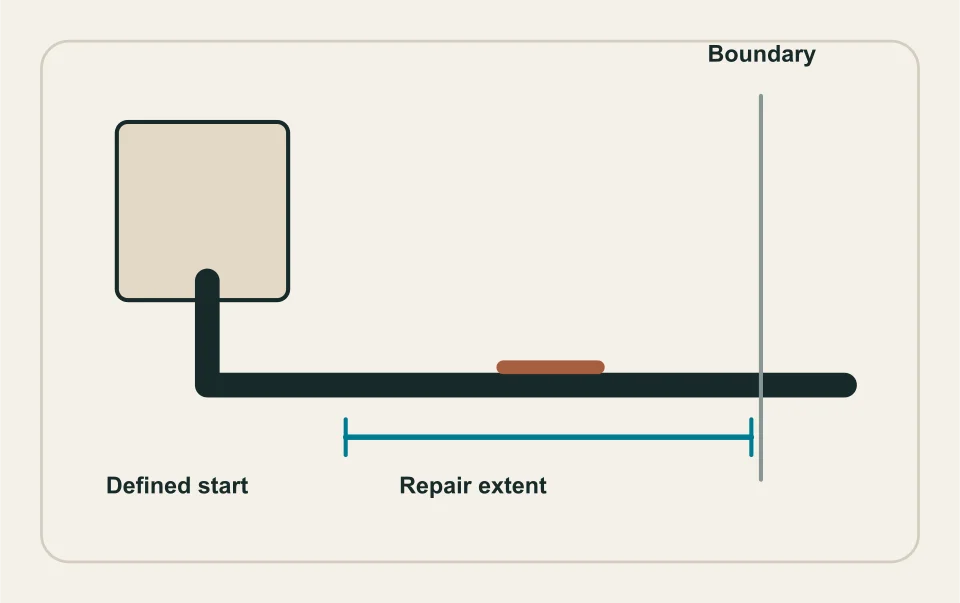
Define the start and end of the proposed work on a readable route sketch. Include building connection, branch interfaces and the public or shared boundary as understood, with responsibility confirmed by the relevant authority. Do not assume the street edge alone establishes ownership. A quote described simply as sewer replacement can hide substantially different lengths, connections and retained portions. Ask what result the proposed boundary is meant to achieve.
Compare methods against the actual pipe and site
Open excavation, a local repair and trenchless approaches each have conditions and limitations. Ask why the proposed method suits the assessed defect and route. A method that avoids a long surface opening may still require access excavations and careful connection work. A local repair may be enough for an isolated condition but leave other assessed problems unchanged.
For any trenchless proposal, identify the host condition, changes in route or diameter where relevant, branch handling and the portions not treated. For open work, define the excavation footprint and retained interfaces. This guide provides no sewage-handling or installation instructions. A professional should explain the suitability rather than asking the owner to choose a method from marketing claims about disruption or lifespan.
Resolve land, utility and access constraints
Map the route relative to buildings, driveway, landscaping, retaining walls and other services. Plans and surface locating can help, but the proposed opening needs an appropriate verification and safe construction plan. Property access, easements and shared routes may require authorization beyond a single homeowner’s instruction.
Kelowna’s environmental and hazardous-area development guidance can matter where land disturbance affects a hillside, flood or sensitive setting. It does not mean every renewal requires the same assessment; check the actual address and work. If the route interfaces with public land or infrastructure, involve the relevant utility and municipal process before treating the private contractor’s schedule as approval.
Include occupancy and contaminated-material handling
An occupied property needs a clear plan for how drainage use is restricted and restored. Ask the contractor to explain the shutdown window, communication, contingency and safe separation of residents from the work area. A project price should not assume that everyone can simply leave the building whenever a hidden condition appears.
Sewage and affected materials need appropriate professional handling. Do not open access points, enter trenches or attempt to manage contaminated flow yourself. If an active backup is occurring, direct response and occupant safety precede a planned renewal comparison. City wastewater guidance provides the public-system context; it is not a DIY repair manual or a promise that the utility will perform private-property work.
Price verification and restoration explicitly
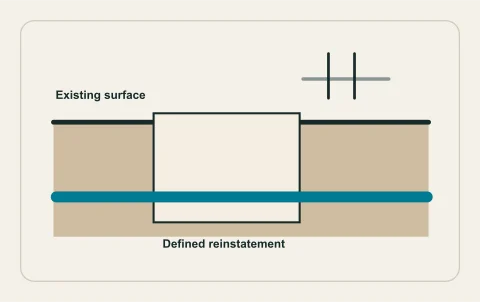
A complete scope includes investigation, exact renewal boundary, access, permits, inspection, connection work, testing, backfill or site reinstatement, disposal and finish restoration as applicable. Clarify what a restored driveway or landscape means: temporary reinstatement and a finished surface can be different deliverables. Include existing damage separately so the repair is not blamed for an unclear starting condition.
Use Kelowna’s plumbing-permit guidance to confirm the actual alteration’s approval path. Inspections should be coordinated before work is covered where required. Hidden-condition variations need documented evidence and authorization. No unsupported local average can price a project whose depth, access, method and finish outcome have not been defined.
Retain evidence of the completed route
Keep before-and-after records, the final route and connections, installed-system identification, verification results and permit/inspection documents. Ask what remains outside the renewed boundary and what user care or future maintenance is relevant. If a post-work recording is part of the agreement, ensure it is labelled and readable.
Review the property restoration and outstanding items before calling the project complete. A functioning drain and an unfinished surface are separate acceptance questions. A human-reviewed request should include the assessed defect, route, site constraints and proposed options. HAUSE is a reference portal, not the contractor or authority; it cannot select a construction method remotely or guarantee the performance of an unseen completed pipe.
Questions people ask
Is trenchless always better?
Does a local repair count as a full replacement?
Will the utility replace the pipe near the road?
How should restoration be described?
What proves completion?
Sources and further reading
- Wastewater ↗ · City of Kelowna. Checked 2026-10-02.
- Plumbing & heating permits ↗ · City of Kelowna. Checked 2026-10-02.
- Environmental development permits ↗ · City of Kelowna. Checked 2026-10-02.
Confirm the current requirements with the responsible authority for the actual address and work. This reference does not replace site assessment or an official decision.