Find the exact supplier and current notice
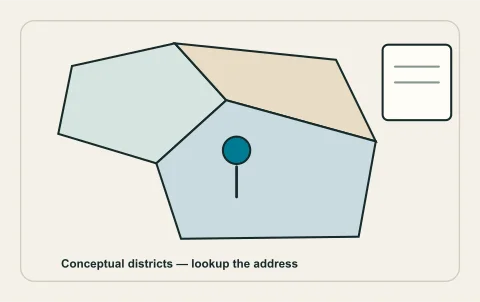
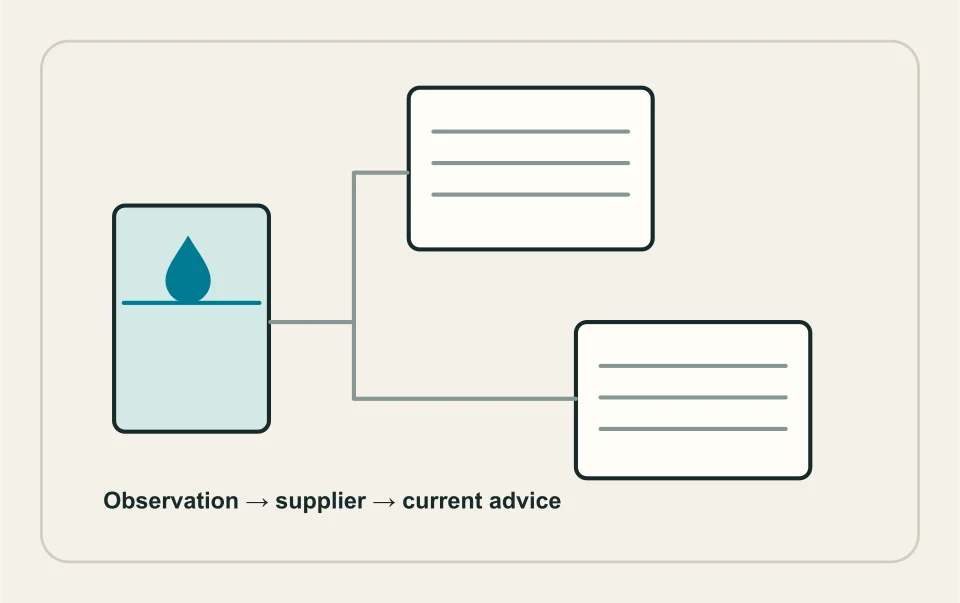
Use the address rather than a neighbourhood assumption. The City’s provider lookup links to the relevant official channels. If a notice applies, read its scope, issue date and current status from the issuing source. An old screenshot can remain useful history but should not be treated as the current instruction.
Avoid posting a fixed advisory status as a permanent fact on a property-maintenance sheet. The absence of a notice on a general page is not a guarantee about an individual private fixture or building. If the supplier has issued instructions, follow the actual current advice rather than substituting a portal summary. This guide is a routing and evidence resource, not a source of emergency drinking-water directives.
Describe the concern without unsafe experiments
Record when the symptom began, which fixtures are affected and whether it concerns hot water, cold water or both. Note interruption, building work, prolonged vacancy or other relevant timing. Safe photographs and observations can help; do not taste suspect water to produce evidence or expose yourself to a hazardous condition.
An appearance or odour can have several explanations and does not identify a contaminant. A symptom limited to one fixture can still deserve assessment without proving the public supply is at fault. Interior Health describes a supplier-first approach for community-system concerns, followed by appropriate escalation when unresolved. Give the supplier clear facts and ask what advice applies to the actual property.
Separate source water from premise plumbing
Water can be affected by conditions within a building after entering from the supplier. Stagnation, equipment, material interfaces and temperature can be relevant to the point of use. Health Canada’s premise-plumbing guidance explains this broader context. A public report and a private-building assessment therefore answer different questions.
Do not assume a provider’s report proves every outlet is identical, or that a private stain proves the supply is unsafe. If a building has an unusual use pattern, centralized equipment or prolonged low use, discuss appropriate management with the relevant professionals. This page does not prescribe sampling locations, universal flushing times or a temperature setting. The actual question should determine the assessed procedure.
Make sampling serve a defined question
Ask what is being tested, why, who collects the sample and how the result will be interpreted. A sample collected under one set of conditions may not answer a different exposure or system question. The relevant health authority, supplier or qualified professional can advise on suitable laboratories and sampling requirements.
Keep the date, location, method and question with the result. A number without units, collection context or interpretation can cause unnecessary alarm or false reassurance. Do not compare an informal test strip with an unrelated official report as though they measured the same thing. If further work is recommended, ask what evidence supports it and whether a building component, operational condition or source issue is being addressed.
Evaluate treatment against an identified purpose
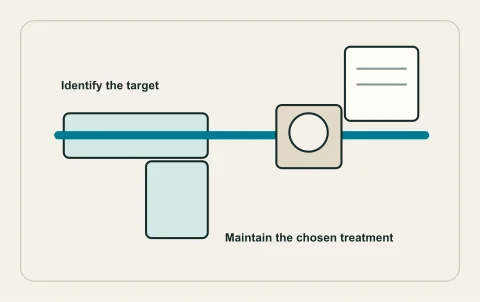
A filter, softener or other device should have a specific target and an appropriate certification or performance basis. Taste preferences, hardness, a contaminant concern and building-water hygiene are not interchangeable objectives. Do not accept a universal claim that any whole-house treatment makes all water safe.
The treatment-decision guide explains how target, location, maintenance and disposal shape a proposal. Health Canada’s guidance is useful context for contaminant-specific approaches, while the actual supplier and health authority should inform the current concern. Treatment introduces maintenance obligations and does not automatically remove the need to follow an advisory. Keep the response to an issued notice separate from a long-term equipment purchase.
Retain advice and resolve the follow-up boundary
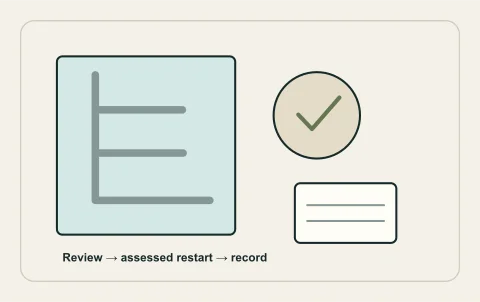
Keep the supplier correspondence, applicable notices, sample records and professional findings together. Record whether the concern was resolved, remains under investigation or has a specific follow-up action. If equipment was added, retain its exact model, purpose and maintenance requirements. Do not turn a single improved taste observation into proof that every water-quality question is closed.
A human-reviewed request can organize a non-urgent building-side question with the current official information and safe observations. HAUSE is not the water supplier, laboratory or health authority. It does not certify potability remotely or issue advisory instructions. Current safety advice must come from the appropriate official source, and a clear evidence file helps professionals understand the remaining decision.
Questions people ask
Does clear-looking water prove safety?
Can an old advisory screenshot be used?
Does a provider report describe private plumbing?
Should I order every possible laboratory test?
Will a filter replace advisory instructions?
Sources and further reading
- Find your water provider ↗ · City of Kelowna. Checked 2026-10-02.
- Drinking Water ↗ · Interior Health. Checked 2026-10-02.
- Residential premise plumbing pathogens and water quality ↗ · Health Canada. Checked 2026-10-02.
Confirm the current requirements with the responsible authority for the actual address and work. This reference does not replace site assessment or an official decision.