Define the target before choosing equipment
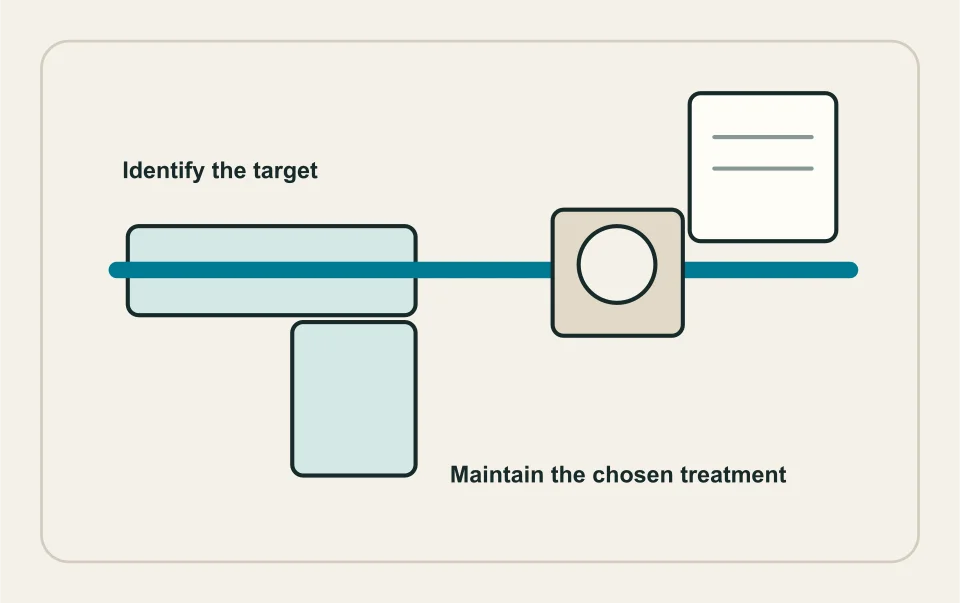
Write the concern in concrete terms: taste at a drinking tap, a laboratory finding, a verified hardness issue or an appliance-specific requirement. Identify the affected location and the evidence available. A sales demonstration or a neighbour’s experience is not enough to diagnose the property’s water or select treatment.
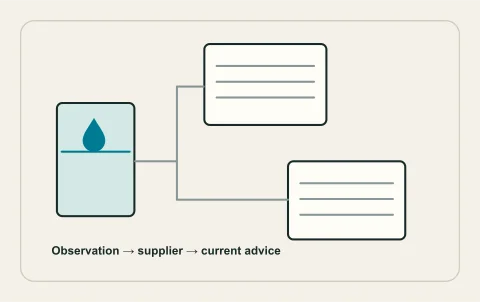
Use the actual provider and relevant dated information. If water quality is uncertain, follow the supplier and Interior Health route for the concern. Do not assign a citywide hardness value or assume a district label establishes the condition at every fixture. The target determines whether further sampling, a plumbing assessment or product research is appropriate.
Distinguish treatment functions and placement
Filtration and softening are not synonyms, and neither is a universal response to every quality concern. Point-of-use and entry treatment can also have different purposes. The Health Canada guidance explains why material-related and premise-plumbing issues need context, including where treatment is placed relative to the point of use.
Ask the proposer to explain the chosen function, location and retained limitations in ordinary language. A whole-house device may not address a component downstream; a tap device serves a limited point. Do not infer drinking-water safety from the presence of a cartridge. If an advisory exists, follow its current instructions separately rather than assuming the selected equipment overrides the issuing authority.
Check the exact product’s performance basis
Request the model and certification or performance information for the stated target, not a broad phrase such as certified filter. Product suitability should correspond to the actual contaminant or objective and intended use. Keep the manufacturer's documentation with the proposal so a substitution can be reviewed rather than accepted by appearance.
Ask about capacity, service conditions and the limits of the stated claim. Do not transfer another product’s rating to the installed model. This portal does not endorse a brand or label a vendor’s package the best choice. The responsible professional should resolve installation compatibility, and a relevant health or water-quality professional may be needed to interpret the original concern and suitable follow-up evidence.
Resolve plumbing, pressure and waste interfaces
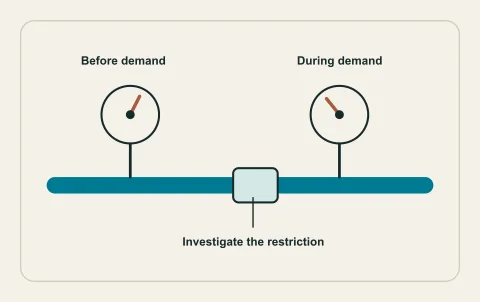
Treatment can affect available flow, pressure, service access and waste discharge depending on the equipment. Identify how it connects to retained plumbing and what protective requirements apply. The City’s cross-connection programme is relevant where treatment connections create a hazard. Do not bypass existing protection to compensate for an unsuitable installation.
Ask the installer to explain any drain destination and applicable requirements. A nearby storm outlet is not a convenient alternative to an approved waste route. Keep energy-service work with the appropriate qualified professionals where relevant. The layout should preserve isolation and maintenance access rather than filling every available cabinet space with equipment that later cannot be serviced safely.
Compare lifetime obligations without invented savings
A treatment quote should identify consumables, service tasks, waste handling, testing where needed, disposal and warranty boundaries. Clarify who performs each task and what evidence triggers replacement or service. A low equipment price may hide expensive or inconvenient ongoing obligations, but this guide supplies no unsupported local cost or payback range.
Use actual product documentation and written service terms to compare alternatives. Ask what happens if maintenance is missed and how the user will recognize a fault. If a device is justified by appliance protection, confirm the appliance’s exact requirements rather than a generic scale warning. Include permit and inspection questions for the actual alteration where applicable, not an assumed exemption because the product is sold retail.
Verify purpose and keep maintenance accountable
At handover, retain the original target, product information, installation and protection details, maintenance plan and any agreed verification. Improved taste may satisfy a preference but should not be used as proof of contaminant removal. A suitable follow-up result needs the appropriate method and interpretation for the question.
Record the installed model and service dates so future owners understand why the equipment exists. Review the plan if provider conditions, use or the plumbing arrangement changes. A human-reviewed request can include the evidence, purpose and proposed model. HAUSE does not certify treatment performance remotely, promise health outcomes or invent citywide water conditions; it helps make the equipment decision and its ongoing obligations explicit.
Questions people ask
Does every Kelowna home need a softener?
Is a certified device suitable for every contaminant?
Is whole-house treatment always better?
Can treatment reduce fixture performance?
What should be compared besides purchase price?
Sources and further reading
- Find your water provider ↗ · City of Kelowna. Checked 2026-10-02.
- Drinking Water ↗ · Interior Health. Checked 2026-10-02.
- Residential premise plumbing pathogens and water quality ↗ · Health Canada. Checked 2026-10-02.
- Cross connection control ↗ · City of Kelowna. Checked 2026-10-02.
- Plumbing & heating permits ↗ · City of Kelowna. Checked 2026-10-02.
Confirm the current requirements with the responsible authority for the actual address and work. This reference does not replace site assessment or an official decision.