Give every proposer the same use brief
Describe the current complaint, installed equipment, actual use sequence and planned changes. Distinguish insufficient usable water, delivery delay and unstable temperature. Photographs of safe accessible labels and the room help, but a complete proposal may still need on-site assessment. Do not ask bidders to price an assumed remedy before the problem is clear.
The hot-water tool estimates a mixed-water use event from outlet count, flow and duration. It does not size a heater. Give the responsible professional those observations with their assumptions intact. Ask each proposal to explain how the candidate equipment addresses the same intended use and which retained distribution or control conditions remain outside the recommendation.
Compare exact models and performance assumptions
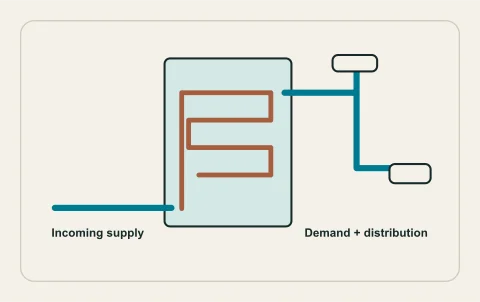
Request the model, specifications and relevant certification rather than accepting a broad technology label. Storage, tankless and heat-pump options are not interchangeable simply because they are marketed to the same household. Their performance needs interpretation under the intended installation and operating conditions.
Use Natural Resources Canada’s water-heater information as product research, not an approval of your project. Ask how recovery, simultaneous use or operating modes were considered by the professional. A headline appliance rating should not become a promise of unlimited hot water or immediate delivery at every fixture. Record the design explanation alongside the model so a later substitution can be assessed rather than accepted on price alone.
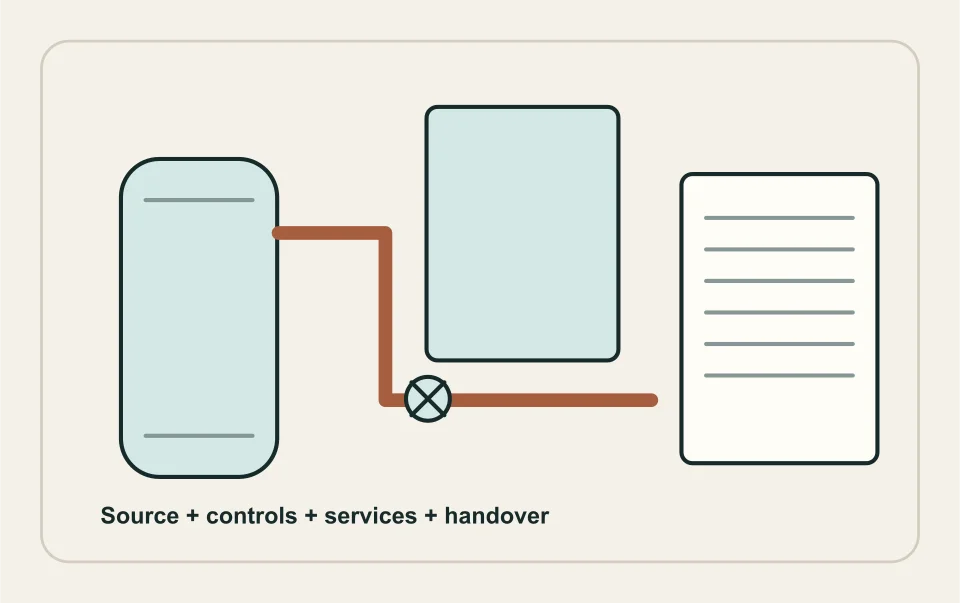
Align services, room work and retained controls
Identify energy-service assessment, qualified gas or electrical work where applicable, location, removal path, service clearance and drainage or ventilation interfaces. An existing heater’s connection does not prove that a different technology can use the same installation unchanged. This guide provides no gas-fitting or electrical instructions.
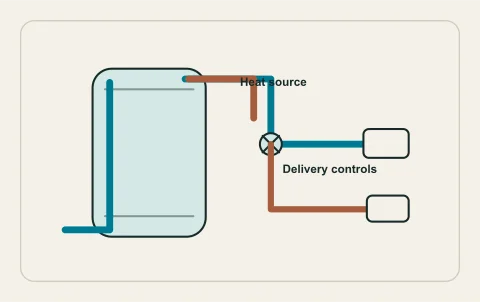
List protective controls, isolation and retained distribution separately. Health Canada explains why hot-water hygiene and scald protection must be considered together. A cheaper proposal may retain an assembly that another renews; clarify its condition and suitability. Room alterations, circulation changes and condensate arrangements should be visible in the amount, not discovered as unavoidable extras after the appliance is delivered.
Keep permits, inspection and commissioning explicit
Confirm the actual municipal plumbing requirements and relevant regulated-work authority with the responsible professionals. Kelowna’s official guidance is the starting point for the plumbing scope. A general assertion that replacement needs no paperwork is not a substitute for reviewing the actual alteration.
State who coordinates approvals, inspection and commissioning, and what records are delivered. Define the operating checks against the agreed complaint and use brief. Testing only that the appliance turns on may not establish the intended result at remote fixtures or through retained controls. Keep any unresolved distribution question outside a false complete-system success claim. The final proposal should make acceptance possible without the owner inventing a test procedure.
Compare continuing cost and responsibilities honestly
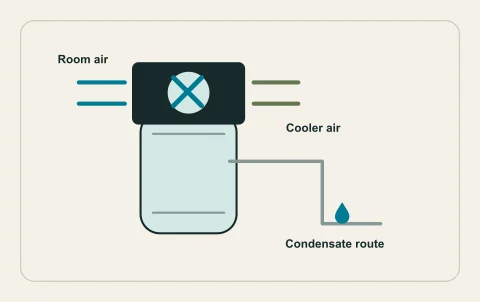
Ask for manufacturer maintenance requirements, consumables or professional service obligations, warranty terms and fault-response contacts. If treatment is proposed, identify its evidence and purpose rather than assuming every local supply needs it. Noise, room-air interaction and user mode decisions can also matter for the chosen technology.
Do not use unsupported savings percentages, payback periods or local price ranges. If an incentive affects the choice, check the current official program and written eligibility before including it. The quote checklist reviews clarity of scope beside your entered amount; it does not estimate operating cost or rank technology. Compare a realistic complete installation and maintenance plan, with rates and incentives supplied from current applicable evidence.
Record the selection and completed installation
Keep the accepted model, scope, assumptions, approvals, commissioning, user instructions and warranty documents. Have the installer explain normal controls and warning conditions. Label service contacts and preserve maintenance access after the room is returned to use. A future owner should understand both why the equipment was selected and how the actual system was configured.
If performance differs from the brief, record when and where the problem occurs and use the professional follow-up route. A human-reviewed request can include proposal excerpts, room constraints and the unresolved comparison. HAUSE is a reference service, not the installer or incentive administrator. It does not guarantee a price, saving, rebate or remote conclusion about the best model for an unseen property.
Questions people ask
Can I compare proposals by tank size alone?
Does the appliance price include service upgrades?
Can a promised rebate be subtracted immediately?
How should treatment add-ons be assessed?
What makes handover complete?
Does the equipment warranty cover installation work?
Sources and further reading
- Water heaters ↗ · Natural Resources Canada. Checked 2026-10-02.
- Residential premise plumbing pathogens and water quality ↗ · Health Canada. Checked 2026-10-02.
- Plumbing & heating permits ↗ · City of Kelowna. Checked 2026-10-02.
Confirm the current requirements with the responsible authority for the actual address and work. This reference does not replace site assessment or an official decision.