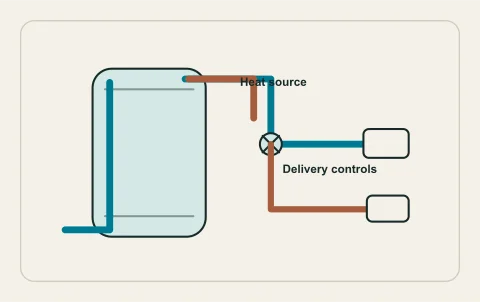
Define the complaint the conversion should resolve
List the hot-water events that currently cause difficulty and the outcome you want. Running out during consecutive bathing, an inconvenient tank location and waiting at a distant fixture are different issues. Tankless equipment may suit one objective while leaving another unresolved. Record whether the complaint occurs at a single fixture or throughout the building.
Include likely future changes such as a suite, larger bathing fixture or different occupancy. Those are planning inputs, not reasons to guess an appliance size. If the current heater has failed, separate safe immediate professional response from a considered conversion decision. A rushed purchase can commit the owner to service upgrades or a route that was never assessed. Ask for the alternatives and their installation assumptions in writing.
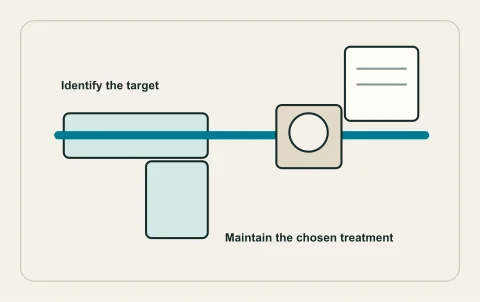
Understand simultaneous demand and temperature conditions
The appliance must deliver the required heat while water flows through it. A model’s performance depends on the operating conditions described in its specifications, so a headline flow figure is not a universal promise. Record fixtures expected to operate together and safe measured mixed-water use. The hot-water sequence tool organizes observations without selecting equipment.
Ask the designer to explain the proposed model’s performance under the conditions applicable to this property and use pattern. Do not transfer a result from another climate, another incoming-water condition or a brochure illustration. A storage system’s recovery and a tankless system’s throughput are different comparisons. The useful question is whether each complete option meets the same intended use, with the assumptions visible.
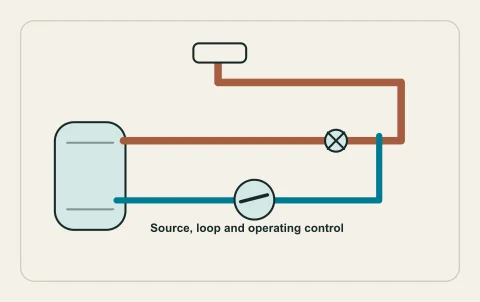
Separate appliance start-up from delivery delay
Hot water still has to reach a fixture through the distribution route. A long retained pipe can preserve a waiting problem after the heat source changes. Ask whether the proposal addresses the appliance, the delivery route, circulation or a combination. Avoid treating the word instantaneous as a promise of immediate hot water at every tap.
If circulation is included, have its controls, heat losses, protective temperature strategy and maintenance described. If a remote fixture is the only problem, ask whether another assessed distribution approach is more suitable than changing the whole heat source. Health Canada’s premise-plumbing guidance provides context for temperature and water-system management. Do not improvise a circulation connection or bypass protective controls to make a system feel faster.
Assess services, location and approval boundaries
A conversion can alter energy-service requirements, physical mounting, venting or condensate arrangements, depending on the exact equipment. Existing connections should not be assumed adequate simply because the previous heater worked. The appropriate qualified professionals must assess their interfaces and the actual authority responsible for regulated work.
Use Kelowna’s plumbing-permit guidance as the local starting point and confirm the relevant gas or electrical approval separately where applicable. This is not a gas-fitting or electrical-installation guide. Keep service clearance, sound, weather exposure where relevant, removal of old equipment and future access in the scope. A small wall-mounted appliance can still require substantial work beyond its purchase price.
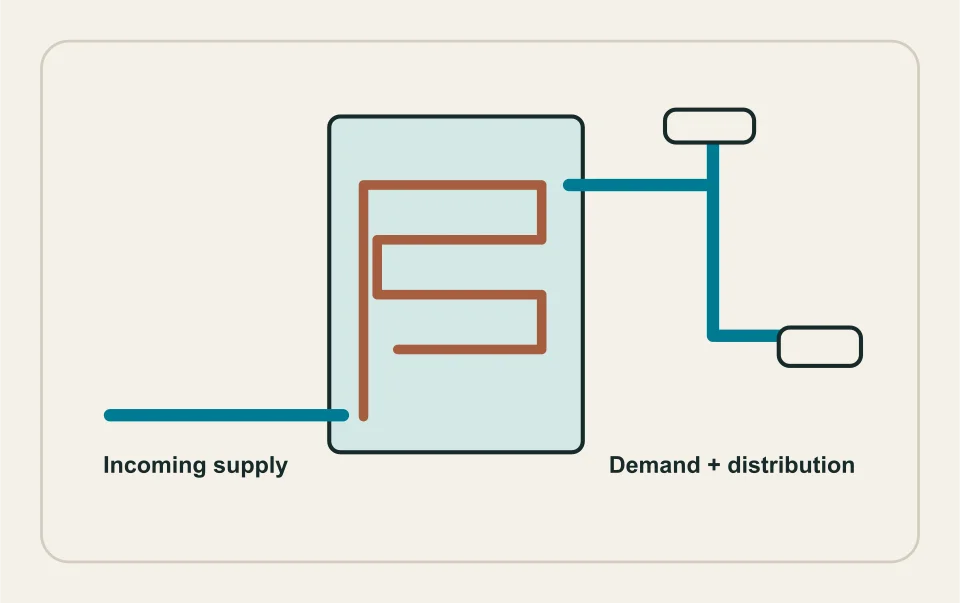
Check water quality and maintenance assumptions
Ask what maintenance the selected model requires and which property-specific water information informs that plan. Do not assume all Kelowna supplies have the same hardness or that every tankless installation needs the same treatment device. Start with the actual water provider, current information and any professional sampling recommendation.
A treatment proposal should identify its purpose, suitability and maintenance responsibilities. It should not appear as an unexplained add-on justified by a neighbourhood stereotype. Keep manufacturer service requirements and the planned access arrangement visible in the proposal. A system that is difficult to service or depends on maintenance nobody has accepted can disappoint even when the original appliance selection was reasonable.
Compare complete alternatives and keep the record
Align proposals around exact models, intended performance, retained distribution, energy-service work, protection, permits, inspection, commissioning and disposal. Explain any exclusions and approvals for unforeseen conditions. Natural Resources Canada’s water-heater information supports product research, but it does not approve this conversion or establish household savings.
At handover, retain the installed identification, commissioning information, care instructions and authorized service contacts. Ask the installer to demonstrate ordinary user controls and describe fault conditions. A human-reviewed request should state the current complaint, intended overlap, proposed equipment and location constraints. HAUSE helps organize the decision; it does not promise unlimited hot water, guarantee a rebate or remotely certify installation capacity.
Questions people ask
Is tankless hot water unlimited?
Will conversion make a distant tap instantly hot?
Can I reuse the old energy-service connection?
Does Kelowna water automatically require a softener?
What must the quotation identify?
Sources and further reading
- Water heaters ↗ · Natural Resources Canada. Checked 2026-10-02.
- Plumbing & heating permits ↗ · City of Kelowna. Checked 2026-10-02.
- Residential premise plumbing pathogens and water quality ↗ · Health Canada. Checked 2026-10-02.
- Find your water provider ↗ · City of Kelowna. Checked 2026-10-02.
Confirm the current requirements with the responsible authority for the actual address and work. This reference does not replace site assessment or an official decision.