Identify affected operations and the decision-maker
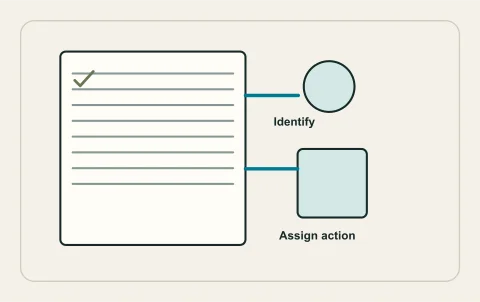
Map the services and spaces that may be interrupted, including neighbouring tenancies, residents and equipment. Distinguish domestic water, hot water, drainage and process services. A building can remain partly supplied while an essential business activity cannot operate. Ask the relevant operator and authorities about the actual operational requirements rather than treating this guide as permission to continue.
Name the person authorized to approve the shutdown, communicate a change and accept restart. The owner, manager and tenant can have different roles. Keep their agreed scope in the documents without using a consumer guide to interpret the lease or bylaws. A plan dependent on one unavailable person can delay a job even when the construction task itself is well understood.
Verify isolation before relying on the schedule
Have the responsible professional confirm the relevant valve boundaries and condition. A label, old drawing or valve inside the work area does not prove isolation is adequate or limited to that area. Do not discover the reach through trial operation by staff or residents. Uncertain retained components may need assessment before a firm sequence is useful.
Ask how the proposal handles a valve that does not operate as expected or an affected service not shown on the records. Include the decision point and contingency rather than implying an outage can always be contained. Protective functions must remain intact; cross-connection guidance is relevant where assemblies and temporary arrangements interact with drinking-water protection.
Separate preparation, construction and restart
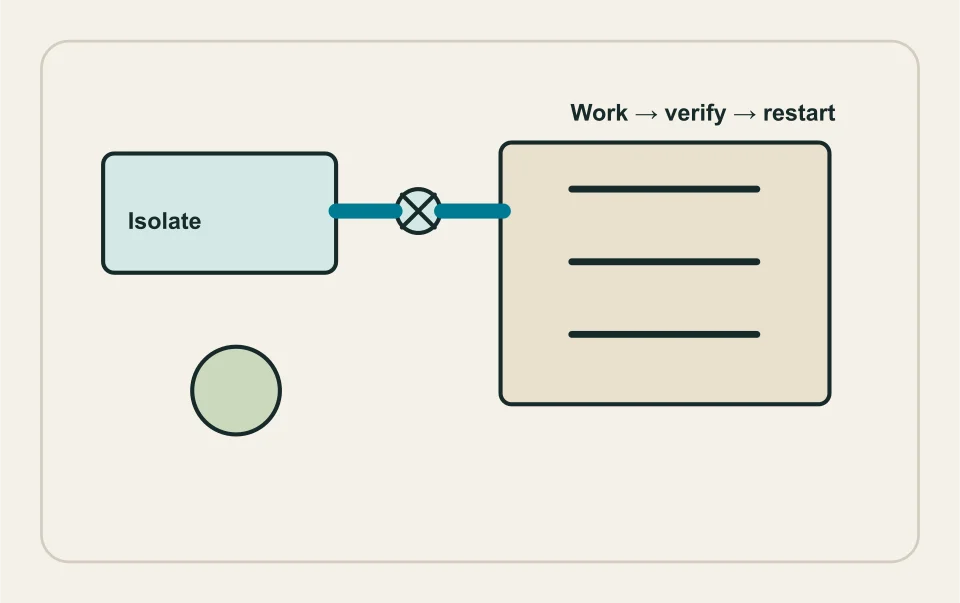
The outage is not only the period of pipe work. Access, protection, isolation, necessary drainage, construction, tests and recommissioning can each affect the sequence. The responsible professionals should define those tasks without leaving occupants to perform unfamiliar operations. This portal provides no shutdown or contaminated-flow procedure.
Specify what is prepared before service stops and what must be verified before it resumes. If replacement equipment requires other qualified disciplines, coordinate their availability as part of the same plan. A quotation that covers only the plumbing labour can omit substantial operating coordination. Compare the actual accepted service boundary and completion conditions rather than assuming all bidders mean the same thing when they quote a shutdown.
Define communication and practical contingency
Describe who issues notice, who receives it and how a change is communicated. Include access arrangements, care-related needs and operating restrictions. Do not invent a universal notice period or promise a fixed outage duration without the actual building and authority requirements. A realistic plan should state assumptions and what happens if work cannot proceed as expected.
Temporary service is not automatically appropriate for every operation. Have the relevant professionals and authorities resolve any proposed arrangement. In a strata, use the actual property process alongside the Province’s repair-duty guidance. Keep staff and occupant information private where possible; an operational notice should provide clear instructions without spreading unnecessary personal details.
Align approvals and acceptance evidence
Confirm the alteration’s permits and inspection stages. A shutdown authorized by management does not replace regulatory approval. If work needs inspection before closure or restart, coordinate that requirement instead of letting a narrow outage window make it an afterthought.
Ask for the relevant tests and commissioning at retained interfaces. Health Canada’s premise-plumbing guidance is context for building-water management and low-use or interruption questions, not a universal restart instruction. A professional should identify the appropriate plan for the actual system. Record limitations and further monitoring rather than certifying every inaccessible area from one outlet.
Compare the complete operational proposal
The estimate should identify preparation, isolation verification, construction, qualified interfaces, communication, contingency, approvals, tests, restart and restoration. Mark assumptions, exclusions and variation authorization. The quote checklist can expose unclear scope beside the proposal amount; it cannot estimate the value of business interruption or guarantee continuity.
At completion, retain final routes, verified valves, commissioning, approvals, notices and outstanding items. Update the building’s asset and response record if the job revealed an uncertainty. A human-reviewed scope request can describe the building, essential operation, known isolation and planned work. HAUSE is not the shutdown contractor or operating authority; it helps make a reviewable project boundary without promising an interruption-free outcome.
Questions people ask
Is shutdown cost just labour while water is off?
Can an old valve label establish the boundary?
Should every business have temporary water?
Does management approval close the permit question?
What should the final record show?
What if isolation cannot be achieved as planned?
Sources and further reading
- Plumbing & heating permits ↗ · City of Kelowna. Checked 2026-10-02.
- Permit inspections & area map ↗ · City of Kelowna. Checked 2026-10-02.
- Cross connection control ↗ · City of Kelowna. Checked 2026-10-02.
- Division of repair duties in a strata ↗ · Province of British Columbia. Checked 2026-10-02.
- Residential premise plumbing pathogens and water quality ↗ · Health Canada. Checked 2026-10-02.
Confirm the current requirements with the responsible authority for the actual address and work. This reference does not replace site assessment or an official decision.