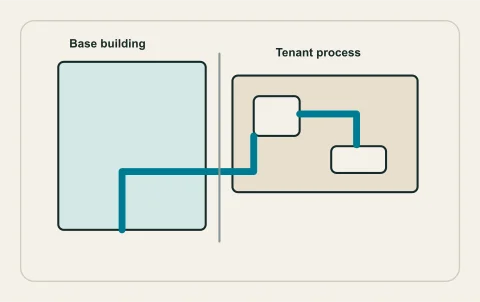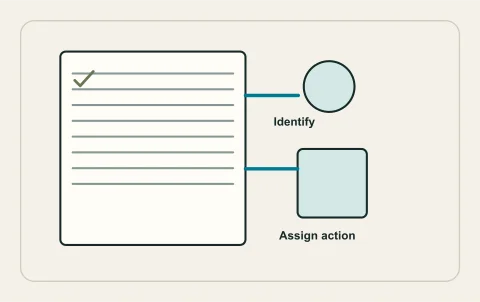
Describe the food operation and waste streams
List the processes, equipment and washing activities rather than relying on a generic restaurant label. A café, full-service kitchen and food-processing operation can produce different flows and wastes. Identify peak operation, cleaning cycles and planned menu or equipment changes. Supply manufacturer information and the proposed layout before choosing a drainage arrangement.
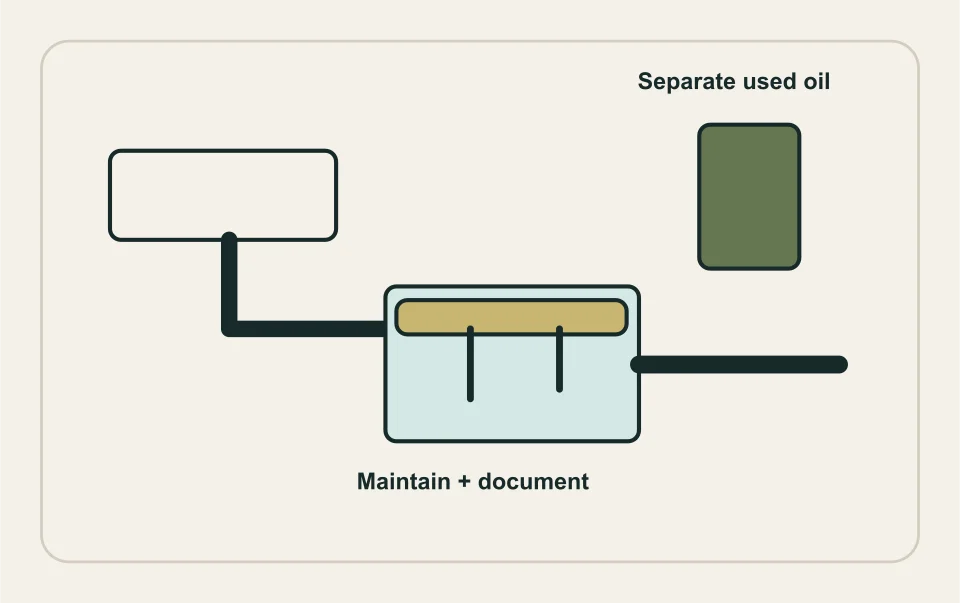
Explain where used oil, food scraps and cleaning waste will be handled. Kelowna’s wastewater guidance includes resources for food-service establishments and stresses source control. A sink is not a general disposal route for everything produced in a kitchen. Separate daily waste prevention from the professional installation of drainage equipment; neither alone replaces the other.
Confirm requirements before ordering the interceptor
Discuss the actual operation with the responsible designer and City source-control contact as appropriate. The equipment and connections must suit the project and applicable requirements. This guide does not provide a sizing formula, approved connection map or permission to install a particular interceptor.
Do not buy solely from a nominal capacity label or a supplier’s generic recommendation. Ask what design assumptions were used, which waste sources are included, and what operating changes would require reassessment. Existing equipment left by a previous tenant may have unknown condition, records or suitability. A new menu or appliance arrangement can invalidate assumptions that once suited the space. Keep the approved basis and exact product information in the project file, with the responsible designer’s review recorded.
Make maintenance access a layout requirement
The interceptor needs to remain serviceable during operation. Discuss the physical access, working space, removal route and how maintenance is separated from food preparation. A location that fits beneath cabinetry can still be impractical once supplies and equipment are installed. Include the service provider’s access needs before finalizing the kitchen layout.
Identify odour, cleaning and occupied-business implications without making unsupported assurances about a product. Ask who handles maintenance, waste removal and fault reporting. The proposal should state the expected owner tasks and the professional tasks distinctly. No kitchen manager should have to improvise contaminated-waste handling because the installation handover provided only a manufacturer brochure and no accountable operating arrangement.
Build source control into everyday work
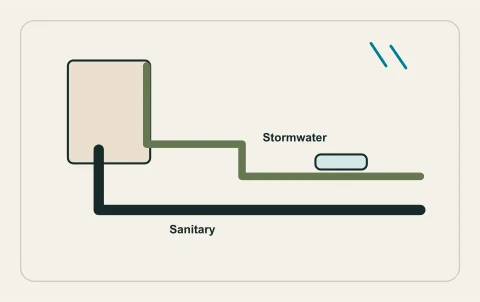
Use the City’s food-service best-management guidance to inform staff practices and waste prevention. Keep used cooking oil and solid food waste out of drains, and arrange appropriate collection. Do not wash grease spills into street catch basins; stormwater and sanitary disposal have different pathways.
Avoid treating additives or strong chemicals as a substitute for appropriate maintenance. The actual equipment, waste loading and authority requirements should guide the maintenance plan. This portal does not prescribe a universal cleaning interval or a DIY method for opening and cleaning contaminated equipment. Train staff in the approved operating procedures and escalation route, and keep a simple record of recurring symptoms that may require professional review.
Coordinate permits, testing and kitchen opening
Confirm plumbing drawings, approvals and inspection stages for the tenant improvement. The City’s commercial plumbing guidance is the official starting point; a submitted application is not an issued permit. Align drainage and protection decisions with other relevant business and health approvals rather than assuming plumbing completion alone authorizes opening.
The contractor’s scope should include exact equipment, connections, access, test and commissioning deliverables, permits, inspection and any finish reinstatement. Identify retained drains and their assessed condition. An interceptor installation does not automatically renew an obstructed downstream route. If opening timing is critical, make the approval sequence explicit before promising an operating date to staff or customers.
Keep records that survive a staff change
Maintain an equipment register, approved connection information, inspection records and maintenance/disposal log. Record who performs service, what was observed and where waste was taken through the appropriate process. The next kitchen manager should be able to find the maintenance contact and authority correspondence without relying on informal recollection.
Review the system if use, equipment or waste characteristics change. Recurring slow drainage, odour or overflow deserves investigation rather than another undocumented treatment. A human-reviewed request can include the process, equipment, current interceptor records and unresolved operating question. HAUSE is a reference portal; it does not certify interceptor size, perform contaminated maintenance or guarantee regulatory acceptance of a proposed restaurant layout.
Questions people ask
Can an old interceptor be reused?
Will an interceptor prevent every blockage?
Can staff choose a cleaning interval from this guide?
What needs to remain accessible?
Which records are useful to the next manager?
Sources and further reading
- Wastewater ↗ · City of Kelowna. Checked 2026-10-02.
- Food and restaurant best management practices ↗ · City of Kelowna. Checked 2026-10-02.
- Source Control – Wastewater ↗ · City of Kelowna. Checked 2026-10-02.
- Plumbing & heating permits ↗ · City of Kelowna. Checked 2026-10-02.
Confirm the current requirements with the responsible authority for the actual address and work. This reference does not replace site assessment or an official decision.