Collect a building-wide complaint map
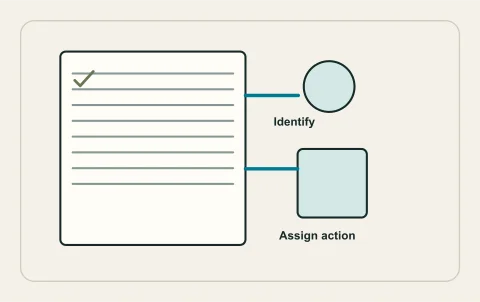
Record affected floors, areas, fixtures and whether the symptom concerns hot water, cold water or both. Include timing and simultaneous activity where known. A single fixture’s poor flow and a sudden change across several zones call for different investigations. Keep ordinary resident observations separate from actual pressure measurements.
Compare the onset with maintenance, equipment changes or provider notices, while avoiding an automatic causal conclusion. The City’s address lookup helps establish the correct supplier. Do not infer the provider or available supply from the building’s neighbourhood or a nearby property. Ask the investigating professional to define the measurements needed and the boundary of the assessment before authorizing a broad equipment replacement.
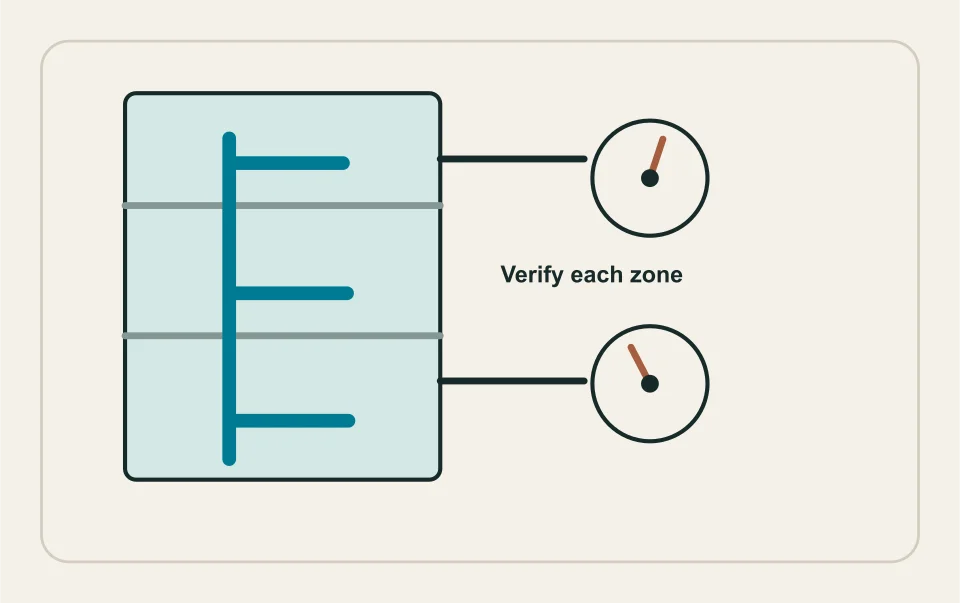
Verify the zone and asset arrangement
Gather current drawings, pump and control models, accessible valve records and prior commissioning information. Identify the service entry, protective assemblies and distribution zones as confirmed by the responsible professional. An old label may be useful context but should not be treated as verified isolation or control information.
Record inaccessible components and changes from the original design. A building may contain retained equipment and later alterations that do not appear on the same drawing. The assessment should connect each relevant asset to the areas it serves. This is not a consumer instruction to adjust valves or pump settings. Trial operation can affect residents, equipment and protective functions, so use the authorized manager and professionals to establish the actual arrangement.
Separate available pressure, flow and local restrictions
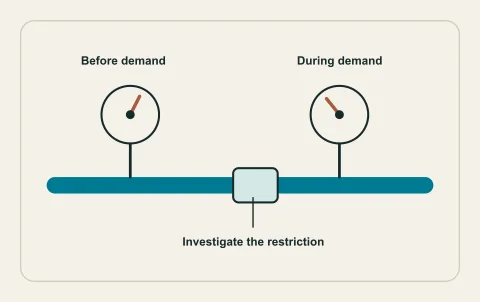
Pressure and flow are related but not interchangeable. A fixture’s measured flow does not establish the building service’s pressure or capacity. A suitable investigation may compare conditions at different points and during demand, with the professional choosing the appropriate method. Ask what a proposed measurement will distinguish.
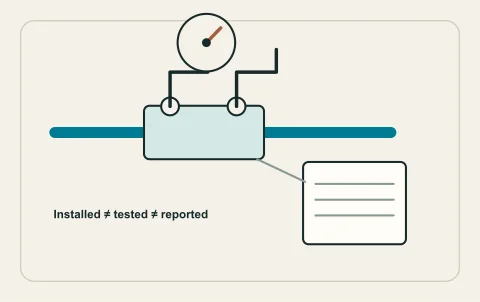
The City’s cross-connection guidance notes that protective assemblies can introduce pressure loss. That does not justify bypassing them. Product performance, sizing, condition and required protection need review together. A larger booster cannot be assumed to overcome every restriction, and adding pressure can create other concerns if the retained system and controls were not assessed. Require a diagnosis tied to observed evidence.
Evaluate proposed changes against operating needs
A proposal should explain the intended zone performance, source conditions, demand assumptions, control strategy and retained interfaces. Include standby or fault arrangements where relevant to the building’s use, without inventing a universal requirement. Noise, energy-service coordination, maintenance access and protection against unsuitable operation belong in the project discussion.
Ask who verifies provider conditions and any permission related to the proposed equipment. A pumping arrangement must not be selected only from the number of floors or an assumed hillside pressure. If demand has changed because of new tenancies or fixtures, supply the actual proposed use. The professional should resolve design capacity; a portal worksheet can organize observed data but cannot size a booster or prescribe a pressure setting.
Commission representative operation with limits recorded
Agree on the relevant points and operating conditions to be checked after work. Capture the baseline and the result under comparable conditions where appropriate. Include interaction with hot-water equipment, protective assemblies and retained zones. A pump that starts and stops is not necessarily evidence that the original complaint has been resolved.
Coordinate permit and inspection requirements for the actual alteration, along with occupied-building isolation and restart. If some areas remain inaccessible, state that limitation. Do not certify the whole building from one convenient fixture. Explain outstanding monitoring or further investigation so the manager can distinguish completed work from an unresolved performance question.
Keep settings and responsibility readable
Handover should include the final zone record, exact equipment, approved operating settings, commissioning evidence, user-visible fault information and maintenance contacts. Store the professional service information separately from ordinary occupant instructions. A later complaint should not prompt an unqualified person to change controls because the original logic was never documented.
For a human-reviewed assessment request, provide the complaint map, available asset records, provider and intended operating changes. Keep resident personal information limited. HAUSE is not the building’s engineer, pump installer or utility authority. It can help organize the scope, but it does not remotely certify a zone, authorize a setting change or guarantee uniform fixture performance under every use condition.
Questions people ask
Does a tall building automatically need a new booster?
Can a fixture bucket test establish supply pressure?
Can a protective assembly be bypassed for a test?
What should a performance promise specify?
What belongs in the manager’s file?
Sources and further reading
- Find your water provider ↗ · City of Kelowna. Checked 2026-10-02.
- Cross connection control ↗ · City of Kelowna. Checked 2026-10-02.
- Plumbing & heating permits ↗ · City of Kelowna. Checked 2026-10-02.
Confirm the current requirements with the responsible authority for the actual address and work. This reference does not replace site assessment or an official decision.