Describe events and operating constraints
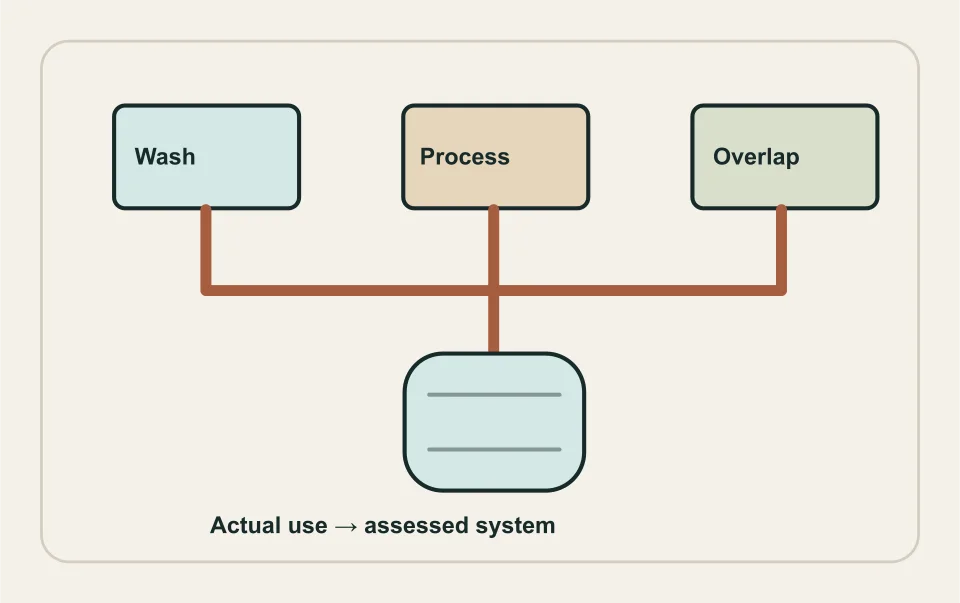
List bathing, washing, cleaning, food preparation, equipment cycles or other relevant uses. Include when they occur, which overlap and whether continuity is essential to the operation. Supply exact equipment literature and any requirements confirmed by the relevant business or health authority. Do not substitute a generic commercial label for a real demand brief.
Separate growth plans from current operation. A proposed kitchen expansion or additional tenancy can change the design basis and should not be introduced after equipment is selected. Record the consequences of an interruption and who can authorize operational changes. This guide does not establish sanitation temperatures or authorize a business to operate without adequate services; it helps make those questions visible for the appropriate professionals.
Separate volume, delivery and temperature complaints
An appliance may provide enough total heated water while a distant area has poor delivery. A building may have stable delivery but insufficient recovery during a peak. A process can need a different service from ordinary handwashing. Identify the actual complaint and the affected location rather than assuming a larger heat source solves every issue.
The hot-water tool can calculate an observed mixed-water event using outlet count, flow and duration. It cannot determine commercial equipment size, recovery or a protective temperature strategy. Have the designer interpret the operating conditions, incoming-water information and equipment performance. Keep the tool’s assumptions and limitations with the brief so a simple volume does not become a false engineering conclusion.
Inventory the source and distribution interfaces
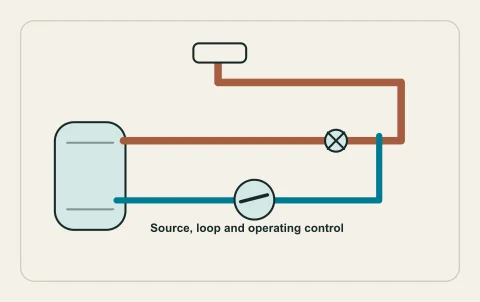
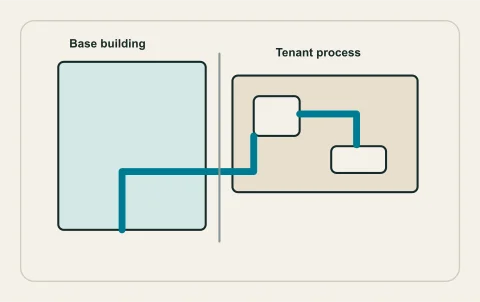
Obtain available routes, installed models, return-loop information, mixing controls and verified isolation. Mark information that remains uncertain behind finishes. A shared building can contain equipment added at different times; a single old drawing may not represent the current system. Ask which retained components limit the proposed outcome.
Review service access and energy-service interfaces with the appropriate professionals. A selected heater may fit physically while creating maintenance or ventilation constraints. Natural Resources Canada’s water-heater information supports product research but does not settle a commercial design. Keep gas and electrical work outside consumer DIY advice and confirm which qualified party owns each part of the installation.
Include building-water management in operation
Stagnation, distribution condition and temperature management can matter beyond the heat source. Health Canada’s premise-plumbing guidance explains why managed building systems need a broader approach than a thermostat setting. Some operations may need more specialized assessment and water-management procedures from the relevant professionals.
Do not respond to hygiene concerns by raising or lowering settings arbitrarily. Delivery protection, equipment, use and monitoring need to be considered together. Include planned vacancy, low-use areas and restart conditions in the discussion. The proposed system should leave the operator with clear responsibilities and escalation, not an unexplained recommendation to run every tap on a universal schedule.
Compare resilience and complete project boundaries
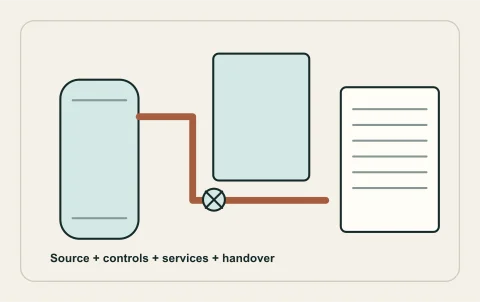
Ask the proposal to explain the chosen arrangement, intended operating basis, controls, relevant contingency and retained limits. Do not assume every business needs the same standby equipment, but make the operational consequence of a fault part of the design conversation. Include energy-service coordination, plumbing, protection, access, commissioning and user training.
Confirm drawings, permits and inspection for the actual commercial work. If shutdown or construction affects ongoing business, define the plan and contingency separately from the equipment price. A low quoted amount can omit substantial operating coordination. Compare proposals on the same intended demand and deliverables instead of ranking them by a nominal tank size or a claimed universal efficiency saving.
Accept performance and an operating file
Agree on commissioning evidence tied to the intended use and relevant areas. Retain models, routes, controls, approval records, test findings, maintenance tasks and service contacts. If the project leaves an unresolved distribution or monitoring question, record it explicitly. An installed appliance is not the same as an operationally verified complete system.
Train the responsible staff in ordinary user controls and fault reporting without encouraging unauthorized adjustments. Review the design basis when the business changes process or occupancy. A human-reviewed request should describe the actual operation, equipment, complaints and planned changes. HAUSE does not design a commercial heat source remotely, prescribe process-water temperatures or guarantee business continuity; it organizes the next informed professional discussion.
Questions people ask
Can household sizing rules be applied to a business?
Does the tool size commercial equipment?
Will more heating capacity fix slow delivery?
Should a business have standby equipment?
What proves the job complete?
Sources and further reading
- Residential premise plumbing pathogens and water quality ↗ · Health Canada. Checked 2026-10-02.
- Water heaters ↗ · Natural Resources Canada. Checked 2026-10-02.
- Plumbing & heating permits ↗ · City of Kelowna. Checked 2026-10-02.
Confirm the current requirements with the responsible authority for the actual address and work. This reference does not replace site assessment or an official decision.