Use neighbourhood context without turning it into a boundary
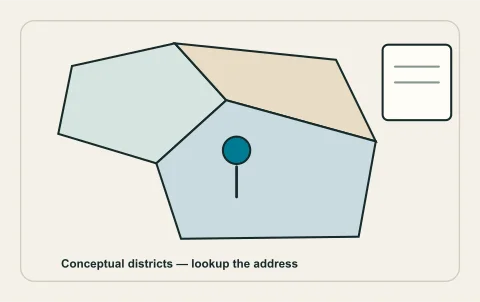
The City’s water-provider lookup and the actual account or operator record are the starting evidence for a property’s supply. A Rutland address, familiar street or neighbour’s bill does not independently establish every service boundary. Rutland Waterworks publishes official information that is relevant when it is the confirmed provider; use the actual result rather than choosing the district from the neighbourhood label alone.
Keep water supplier and building authority as separate fields in the project brief. A private leak, a public interruption and a plumbing alteration may need different contacts. Record the question answered by each service and retain any incident or application reference. Do not treat one provider confirmation as a diagnosis of the interior system or an approval for every planned connection change.
Use the City address lookup to begin supplier confirmation.
Read current notices and dated records correctly
Use the confirmed provider’s current notices for operational and water-quality instructions. A past report describes its own period and scope; it is not automatically today’s advisory. If a notice’s applicability is unclear, ask the operator about the property rather than importing another district’s instructions. Preserve the exact type and date of any active notice and follow the responsible authority’s current directions.
Older invoices, route sketches and renovation records can still help a private investigation. Mark which information was verified at the time and which later alterations are known. An old pipe description does not establish every current branch, and an improved visual appearance does not lift a public notice. The brief should distinguish source information, household observations and proposed work so the professional can assess the right question.
Where confirmed as the supplier, read Rutland Waterworks’ official notices and information within their actual date and service scope.
Investigate the building pattern
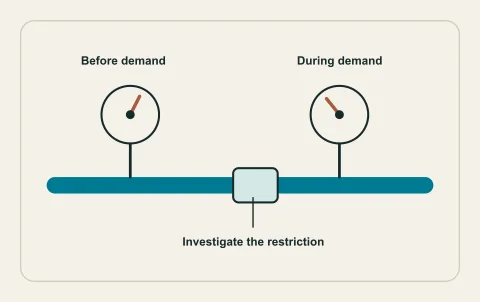
Describe whether the concern affects one fixture, several rooms, a shared riser or the whole property. Record timing, recent work and wider reports without assuming a neighbourhood-wide material or pressure problem. This site does not assign a universal pipe age, water hardness or service pressure to Rutland homes. A qualified person should establish the relevant evidence for the actual system.
For a multi-family or commercial property, identify the authorized manager and access needed beyond one room. Ask who can approve shutdowns and further investigation. The same street can contain very different property arrangements, so an owner-occupied fixture repair should not be copied as the procedure for a shared building. Keep technical findings separate from strata duties, tenancy arrangements and insurance decisions.
For an existing building with several renovation records, make a short chronology of the work relevant to the present symptom. Identify which record describes a fixture, interior branch, service connection or shared system. A provider name on a utility bill does not fill gaps in that physical history. Give the investigator the original documents and mark uncertain segments instead of reconstructing an apparently complete plan from memory. The resulting finding should say what was verified at this visit. That allows later proposals to use the same evidence while keeping neighbourhood context from replacing a property-specific condition assessment.
Define approvals and interfaces for the proposed work
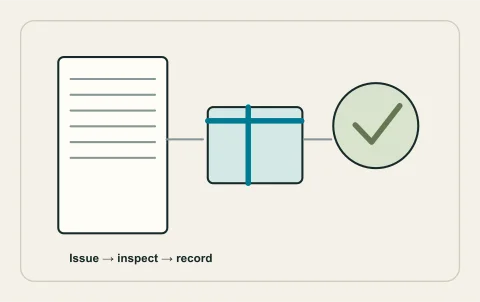
Describe the actual alteration to the relevant building authority and check any existing permit scope. Application, issuance, inspection and closure are distinct stages. A fixture enquiry should not be reused as permission for a later buried connection or changed room layout. If the work touches the public service, obtain the operator’s actual coordination and boundary requirements separately.
Access, road use, neighbouring property and restoration may add interfaces to the project. Ask who obtains records and appropriate locating for buried work, including unresolved private infrastructure. A conceptual diagram is not a route or grade design. Keep professional design responsibility and required approvals visible instead of assuming a contractor’s quoted pipe length includes every site or public-system obligation.
Preserve a property-specific handover
Ask for the examined and changed components, relevant checks, original recordings where included and authority records. Note retained sections and any unresolved symptoms. A completed branch repair should not be represented as renewal of every pipe at the property. Surface finishing, drying and other restoration can remain outside the plumbing task and need their own responsible party.
Keep the confirmed supplier and dated official contacts with the work record, without unnecessary account or resident information. If another event occurs, compare it with the original observed pattern and scope. That record is more useful than a generic “Rutland plumbing done” invoice title because it allows later professionals to distinguish public questions, private findings, approval status and unfinished work for this particular property.
Prepare a Rutland-area request
Write a property-specific Rutland brief with the confirmed supplier, governing authority and actual building arrangement. Record the symptom and timing before adding a neighbourhood description. Include relevant operator notices with their dates and the prior physical-work chronology. A water-provider result should remain separate from an interior condition finding. Say when a shared system or neighbouring-unit access makes the task different from an ordinary single-home appointment.
Request an investigation boundary that can be understood without assuming every nearby building has the same pipes. Ask which accessible components and records support the finding and which routes remain unverified. If work proceeds, retain the changed segment, checks, approvals and restoration responsibilities. Keep current supplier information with the property file while preserving older invoices intact. A later recurrence should be compared with the recorded event, not automatically attributed to a presumed district-wide condition.
Use the planning form for a human-reviewed reply about those scope questions. KelownaPlumbing.ca has no invented Rutland office, contractor ranking or promise of local attendance; it is a reference service. The request does not report directly to the water operator or authorize a permit. For active hazards, use the appropriate utility, emergency or building-management process first. Afterwards, a clear address-context brief can connect the right evidence to the next private or authority enquiry.
Questions people ask
Does a Rutland location prove the provider?
Can another district’s advisory guide this property?
Are all Rutland homes the same pipe age?
Does one contact handle permits and supply issues?
What should a completed local scope identify?
Sources and further reading
- Find your water provider ↗ · City of Kelowna. Checked 2026-10-02.
- Rutland Waterworks District ↗ · Rutland Waterworks District. Checked 2026-10-02.
- Drinking Water ↗ · Interior Health. Checked 2026-10-02.
- Plumbing & heating permits ↗ · City of Kelowna. Checked 2026-10-02.
Confirm the current requirements with the responsible authority for the actual address and work. This reference does not replace site assessment or an official decision.